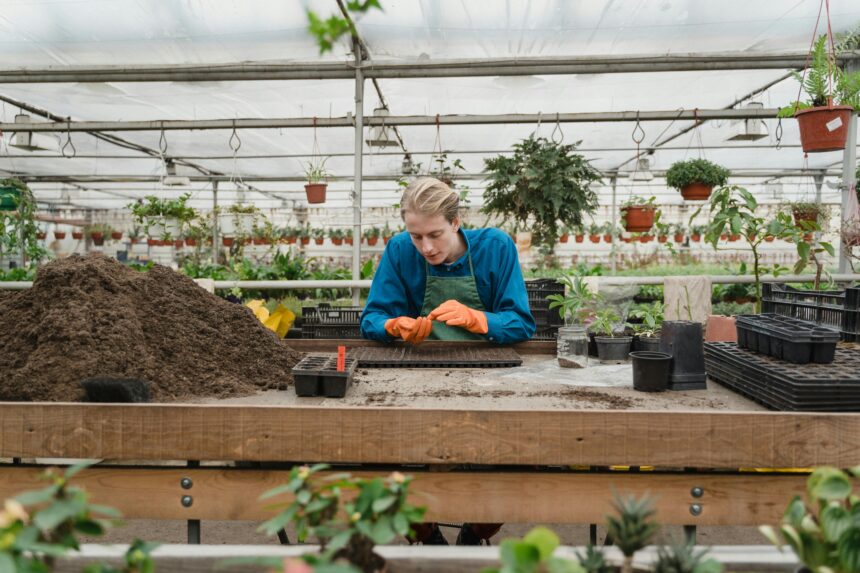
Greenhouses have long played a significant part in human agriculture, transforming the way crops are grown by making environmental control possible. Once considered a luxury for only the most advanced horticulturists, they are now accessible and useful to growers at many levels, from backyard gardeners to large-scale agricultural enterprises. The concept of growing food regardless of the season is no longer limited to specific regions or reliant solely on natural weather patterns. With a well-maintained greenhouse, plants are no longer bound by external conditions. This allows for an extended harvest season and greater control over plant quality.
Balancing Climate Challenges Through Greenhouse Growing
As weather conditions become increasingly unpredictable across many parts of the world, managing temperature, humidity, and exposure to pests through greenhouse systems is becoming more practical. Shifting rainfall patterns, frequent temperature swings, and unexpected frosts can destroy outdoor crops even with the best preparation. Greenhouses, by contrast, create a more predictable microenvironment.
Through ventilation systems, adjustable shading, and supplemental heating or cooling, growers are able to fine-tune growing conditions with a level of precision that outdoor farming cannot match. These controls help with protecting crops from sudden changes and with optimizing plant development. When tomatoes, lettuce, or peppers grow in a stable environment, their nutritional consistency and visual quality often surpass their field-grown counterparts.
Expanding Growing Seasons Without Relocation
Seasonal limitations have historically dictated what farmers could produce and when. Crops like cucumbers and strawberries typically require warm conditions to thrive. Outside of certain geographical zones, producing these crops meant waiting for summer, or importing them at higher costs and lower quality. Greenhouses shift this paradigm. With appropriate design and management, they allow for year-round production in regions where snow might otherwise cover the ground for months.
This increases the volume of food that can be produced locally and reduces dependency on supply chains that stretch across borders. More consistent output supports stable income for growers and allows local communities to benefit from fresher, more affordable produce.
Soil Independence and Substrate Control
In traditional farming, soil composition limits what can be planted and where. Too much clay, not enough organic matter, or improper pH levels can result in disappointing harvests. Greenhouse production often bypasses these problems through the use of soilless systems, such as hydroponics or grow bags. These methods let growers select or mix their own growing media, controlling the nutrients plants receive.
Controlling the substrate reduces the risk of disease and allows nutrients to be delivered precisely. This increases efficiency and cuts down on waste. When growers can adjust the exact ratios of nitrogen, phosphorus, and potassium, they’re more equipped to meet the needs of specific plants throughout different growth stages.
Energy Management and Light Supplementation
Sunlight is one of the most fundamental resources for plant growth. Yet shorter winter days and overcast skies can hinder development for many crops. Greenhouses offer the option of supplementing natural light with artificial lighting, giving plants the energy they need even in the darkest months. LED technology, in particular, has made this option more accessible. These lights consume less electricity and can be adjusted to emit specific wavelengths that stimulate flowering or vegetative growth.
Temperature and lighting work hand in hand. When both are managed efficiently, a greenhouse becomes a space of sustained productivity. Rather than watching crops slow down or stop entirely during winter, growers can continue with minimal interruption.
Custom Design for Crop-Specific Needs
Not every greenhouse looks or functions the same. Some are freestanding and constructed from glass, others lean against a building and rely on polycarbonate panels. The size, shape, and materials used depend on the types of crops being cultivated and the environmental conditions being addressed.
Some growers need high tunnels for leafy greens, while others rely on more insulated structures to grow tropical fruit in colder climates. It’s not uncommon to see greenhouses sectioned internally, with different zones created for different plant species. Achieving consistent harvests across the calendar year often depends on this kind of customization, which allows growers to simulate different microclimates under one roof. As explained by experts from https://www.rimol.com/, for those just starting or expanding their setup, guidance is often needed to make informed decisions. That’s why many turn to companies dedicated to ensuring that you purchase exactly what you need for your greenhouse project and will not rest until you are satisfied. They often offer tailored consultations and help match growers with systems suited for their goals, whether that involves small-scale herb production or commercial tomato cultivation.
Pest Management in a Controlled Environment
One major advantage of greenhouses is that they reduce exposure to outdoor pests. While it’s unrealistic to expect a greenhouse to be entirely pest-free, physical barriers such as insect netting and positive air pressure systems make infestations less frequent and easier to control.
Biological pest control, like introducing ladybugs or predatory mites, can be used more effectively in enclosed environments. Since the ecosystem within a greenhouse can be tightly managed, chemical pesticides are often unnecessary. This is especially valuable for growers aiming to offer organic produce or reduce chemical runoff into the surrounding environment.
Water Efficiency and Recycling Systems
Water availability is another major concern for agriculture, especially in drought-prone regions. Greenhouses allow for targeted irrigation strategies that drastically reduce water use compared to open-field farming. Drip irrigation delivers water directly to the plant’s root zone, minimizing evaporation and runoff.
In more advanced setups, growers use closed-loop systems that collect, filter, and reuse runoff water. Rainwater catchment systems can supplement the supply, and real-time monitoring helps adjust flow to meet crop needs without overwatering. This level of precision conserves resources and helps maintain optimal plant health.
Year-round harvests once sounded ambitious. Now, they are increasingly practical for agricultural giants and for smaller operations, and even for hobbyists. The greenhouse is no longer just a structure. It’s a strategy.