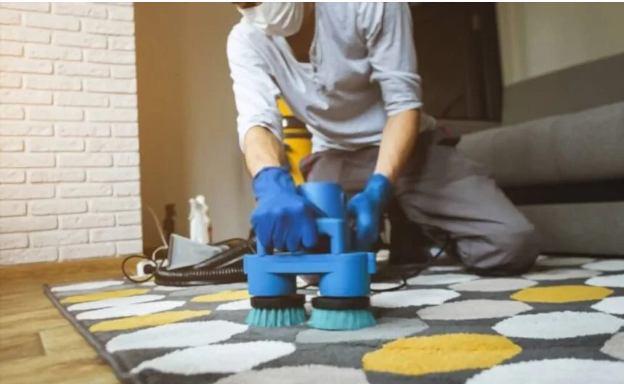
We’ve all been there, standing in our lounge room, giving the carpet a serious once-over. It might not be the shiniest thing you own, but it certainly deserves to look its best.
Then, you notice the colours are a bit muted. The fibres look tired, and you realise that a proper, deep clean is long overdue.
The good news? The choice between steam and dry cleaning doesn’t have to be a source of confusion or headache. So, keep reading to cut through the industry jargon and find your floor’s best solution.
Steam Carpet Cleaning
When professionals talk about steam cleaning, they are usually referring to hot water extraction. This process involves no actual steam and relies instead on high-pressure hot water.
A powerful machine injects hot water and a cleaning solution deep into the carpet fibres. The high-pressure wash works to break down oils and stubborn grime deep in the backing.
Then, a strong vacuum pulls all that dirty water and solution back out of the carpet, a process. That’s why this method is considered the gold standard for genuinely deep, restorative cleaning.
It’s often the best choice for durable synthetic carpets and high-traffic areas with heavy soil build-up. But it does come with its pros and cons, which we’ll discuss below.
Pros of Steam Cleaning
The carpet receives a deep, thorough clean that reaches right down into the fibres. Think of it as hitting the reset button for your floor—removing years of dirt and grime that have built up over time.
This method also helps restore the carpet’s original texture and fluffiness. So, say goodbye to sad-flat looking fibres! It effectively removes deeply embedded soil and years of build-up.
In addition to deep cleaning, the high temperatures provide superior sanitation. They deliver a powerful germ-killing effect, making steam cleaning especially handy for pet messes and stubborn odours.
It’s also highly effective at removing allergens. By lifting dust mites and other common household irritants, it can noticeably improve the quality of the air in your home.
Finally, the thorough rinse cycle leaves behind very little residue. With fewer leftover chemicals clinging to the fibres, your carpet is far less likely to attract fresh dirt straight away.
Cons of Steam Cleaning
The primary drawback is the long drying time. Carpets can take anywhere from 4 to 24 hours to fully dry, which can be disruptive for a busy household. You’ll need fans or good airflow to help speed things up.
There is also a risk to delicate fibres. Excess heat and moisture can damage natural materials, and wool may shrink or felt if not treated correctly.
It also uses a significant amount of water. If the carpet doesn’t dry properly, mould or mildew can develop, and poor drying technique may even weaken the backing.
Finally, this thorough, restorative service often comes with a higher price tag. The upside is that you may not need it as frequently thanks to its long-lasting results.
Dry Carpet Cleaning
With its low-moisture approach, dry carpet cleaning is the go-to option when you need fast results and minimal downtime.
This method relies on a compound or a specially formulated low-moisture chemical solution, focusing mainly on the surface and upper layers of the carpet.
A common technique involves spreading an absorbent powder into the fibres. The powder attracts and holds dirt, which is then vacuumed away.
This quick process is often the preferred choice for routine maintenance and for treating delicate carpet materials.
Pros of Dry Cleaning
The main advantage is the rapid drying time. The carpet is usually dry and ready for foot traffic in under two hours. This offers maximum convenience and minimal disruption to your day. It’s generally safe for delicate fibres.
Its low-moisture profile protects natural materials like wool. This drastically reduces the risk of shrinking, stretching, or colour loss. It’s great for maintenance and quick stain removal, and it keeps carpets looking fresh and presentable between annual deep cleans.
Lastly, the equipment is usually less bulky and more portable, which can also make the service more affordable and flexible.
Cons of Dry Cleaning
Its biggest shortcoming is that it can’t fully penetrate the carpet’s base, which means heavy, deeply settled dirt may remain behind.
There’s also a stronger reliance on chemicals. This method works if you use specialised compounds to break down dirt, so it’s important to make sure the products used are safe and non-toxic for your family and little ones.
And because it focuses on the surface layers, it’s less effective on very old, stubborn, or deeply embedded stains. Dry cleaning works best on light to moderate, recent soiling rather than long-forgotten spills.
Finally, there’s the possibility of residue. If the absorbent compound isn’t vacuumed up properly, a fine powder can quite possibly linger in the carpet pile.
Choosing the One That Suits You
So, which cleaning method deserves your hard-earned cash? There is no universal “best” answer; the right choice hinges on your specific needs.
Most carpet steam cleaning professionals recommend choosing the method that aligns with your carpet type and lifestyle rather than following a one-size-fits-all rule.
If you have a tough, synthetic carpet that is seriously soiled, steam cleaning is the superior option. It delivers the restorative, germ-killing result you need.
But if you own expensive wool rugs or if you absolutely can’t tolerate hours of downtime, dry cleaning is the best choice. It offers a great refresh with minimal risk.
For homes with heavy traffic and pets, a successful strategy is often a combination. Consider an annual steam clean followed by a bi-annual dry cleaning maintenance session.
Ultimately, your carpet material, its current level of dirtiness, and your schedule will determine the method that makes the most sense.
Conclusion
Well done, you’ve successfully navigated the carpet cleaning debate and are now fully equipped to make a perfectly informed decision for your floors.
You know that steam cleaning is the powerful choice for deep grime and sanitation, while dry cleaning is the fast, gentle option for routine upkeep and delicate materials. This means you’ll never waste time or money on the wrong method again.
Now that you’ve got the expertise, why not start making a few calls to local professionals to get that carpet looking good as new?