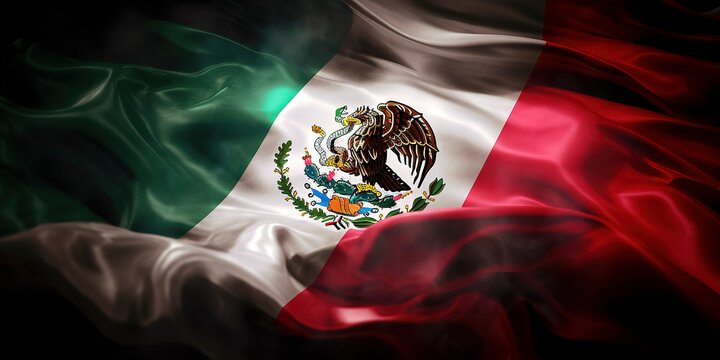
The Mexican flag is more than just a piece of fabric; it is a symbol of the country’s rich culture, history, and pride. Featuring a vibrant mix of colors, it represents the nation’s identity and the struggles that shaped its modern state. The flag is widely recognized not only within Mexico but across the globe, often seen during celebrations, political events, and international competitions. In this article, we will explore the symbolism, history, and meaning behind the Mexican flag, as well as its role in Mexican culture and its significance today.
The Design of the Mexican Flag
The Color Scheme: Red, White, and Green
The Mexican flag consists of three vertical stripes—green on the left, white in the center, and red on the right. Each color has its own significance, deeply rooted in Mexico’s history. Let’s take a closer look at the meaning behind these colors:
-
Green: Traditionally associated with hope, the color green also symbolizes independence. The green stripe represents the country’s independence movement from Spain, which began in the early 19th century.
-
White: The white stripe stands for purity and unity. It is a symbol of the peaceful nature of the Mexican people and the unity they achieved in overcoming the colonial period.
-
Red: Red symbolizes the blood of those who fought for Mexico’s independence. It also represents the union of the Mexican people, both indigenous and European, as they forged a new identity.
The Coat of Arms: A Unique Central Feature
In the center of the flag, there is a national coat of arms, which is a depiction of an eagle perched on a cactus, holding a serpent in its beak. This image is inspired by an Aztec legend, where the Mexica people were told by their gods to find a place where they would see an eagle sitting on a cactus with a serpent in its beak. This vision was meant to mark the location where they should settle and build their city, which would later become the capital of Mexico, Tenochtitlán (modern-day Mexico City).
The eagle and serpent imagery is rich with meaning. The eagle represents strength, courage, and the power of the Mexican people, while the serpent symbolizes wisdom and the connection to the ancient past. Together, they reflect Mexico’s indigenous heritage and its connection to the Aztec civilization. The cactus, meanwhile, is a symbol of the Mexican landscape and resilience.
The History of the Mexican Flag
Origins of the Flag
The origins of the Mexican flag date back to the early 19th century, during Mexico’s struggle for independence from Spanish colonial rule. In 1810, Miguel Hidalgo, a Catholic priest, called for a revolt against Spanish rule, which began the Mexican War of Independence. Throughout the war, various flags were used, but the most iconic version came in 1821 when Mexico finally gained independence.
The flag adopted in 1821 had the same basic colors (green, white, and red), but the emblem at the center of the flag has undergone changes over time. The coat of arms as we know it today was officially adopted in 1968, after being redesigned to reflect a more accurate and symbolic depiction of Mexico’s ancient heritage.
The Flag’s Evolution
The first version of the Mexican flag after independence was created by Emperor Agustín de Iturbide, who played a key role in Mexico’s independence movement. The original design featured the colors green, white, and red in horizontal stripes, with the eagle in the center. The eagle symbolized the triumph of the Mexican people over Spain, and the flag was designed to be used in ceremonial and military settings.
However, the flag underwent changes as Mexico transitioned from an empire to a republic, and political ideologies shifted over time. The flag as we know it today was solidified with the final design in the mid-19th century, culminating in the iconic vertical tricolored version with the coat of arms at its center.
The Mexican Flag Today
Today, the Mexican flag is a national symbol of pride, unity, and resilience. It is raised during official ceremonies, national holidays, and public celebrations. The flag is most notably displayed on Independence Day (September 16), a national holiday commemorating Mexico’s declaration of independence from Spain in 1810. The flag is also prominently featured during other celebrations, such as Cinco de Mayo, and at Mexican embassies, government buildings, and schools.
Symbolism Behind the Flag: More Than Just a Flag
National Identity and Unity
The Mexican flag is more than just a visual representation; it is a powerful symbol of national identity and unity. It embodies the nation’s journey from its indigenous roots to its struggle for independence and the unification of its people. The colors of the flag are a reminder of the sacrifices made by countless individuals to build the country, and they continue to be a rallying point for all Mexicans, regardless of their background.
Whether in times of political unrest or national pride, the flag has been a constant representation of the shared values of the Mexican people. It serves as a symbol of the country’s sovereignty and strength, reminding citizens of the importance of unity in the face of adversity.
The Flag’s Role in Modern Mexico
In modern Mexico, the flag is not only a symbol of patriotism but also a reflection of the country’s ongoing journey of growth and development. While the country has made great strides since its independence, the flag continues to remind Mexicans of the importance of preserving their cultural heritage, celebrating their diverse identities, and striving for progress in all aspects of society.
The Mexican flag plays an important role in public life. It is raised at government institutions and schools every day, a practice that reinforces national pride and unity. It is also prominently displayed during festivals, protests, and major sporting events, such as the FIFA World Cup, where Mexican fans proudly wave their flag to show their support for the national team.
The Mexican Flag in the International Arena
The Mexican flag is not only a symbol of pride for Mexicans but is also recognized around the world. During international events, such as the Olympics, the flag is a powerful representation of Mexico’s place in the global community. It signifies the nation’s identity, its historical roots, and its aspirations for the future. Whether displayed in diplomatic settings, international trade shows, or on the world stage at major sporting events, the flag serves as a reminder of Mexico’s strength and resilience.
The symbolism of the eagle and serpent in the center of the flag is a powerful image of strength and wisdom, and it resonates with people beyond Mexico’s borders. The flag’s vibrant colors make it instantly recognizable, and it serves as a source of pride for the Mexican diaspora around the world.
Celebrating the Mexican Flag: Key National Holidays
Día de la Bandera (Flag Day)
Día de la Bandera, or Flag Day, is celebrated annually on February 24th in Mexico. This day honors the national flag and its significance in Mexican culture and history. On this day, Mexicans celebrate their heritage and reflect on the values the flag represents—freedom, unity, and independence. Schools across the country hold special ceremonies where students raise the flag and sing the national anthem, paying tribute to the symbols that represent the nation’s identity.
Independence Day (Día de la Independencia)
Mexico’s Independence Day, celebrated on September 16th, is one of the most important national holidays in the country. On this day, the Grito de Dolores is commemorated, the call to arms made by Miguel Hidalgo in 1810 that began Mexico’s fight for independence from Spain. The flag plays a central role in the celebrations, with a ceremonial flag-raising taking place in the main square of each city and town across the country. The celebrations are filled with pride, music, dance, and fireworks, and they culminate with the famous “Grito de Dolores” reenactment by the president.
Conclusion
The Mexican flag is a powerful symbol of Mexico’s history, identity, and resilience. From its design, featuring the eagle and serpent perched on a cactus, to the meanings of the green, white, and red stripes, the flag represents the values of unity, hope, and sacrifice that have shaped Mexico into the nation it is today. Its significance goes beyond being a mere national emblem; it is a constant reminder of the country’s rich cultural heritage and its ongoing journey of growth and strength.
Whether raised during national holidays, flown at schools and government buildings, or proudly waved by Mexican fans during international events, the flag continues to serve as a symbol of pride, unity, and resilience for Mexicans worldwide. As Mexico continues to evolve, the flag remains a reminder of the sacrifices made by generations of Mexicans to build the nation and the shared values that will continue to guide the country into the future.