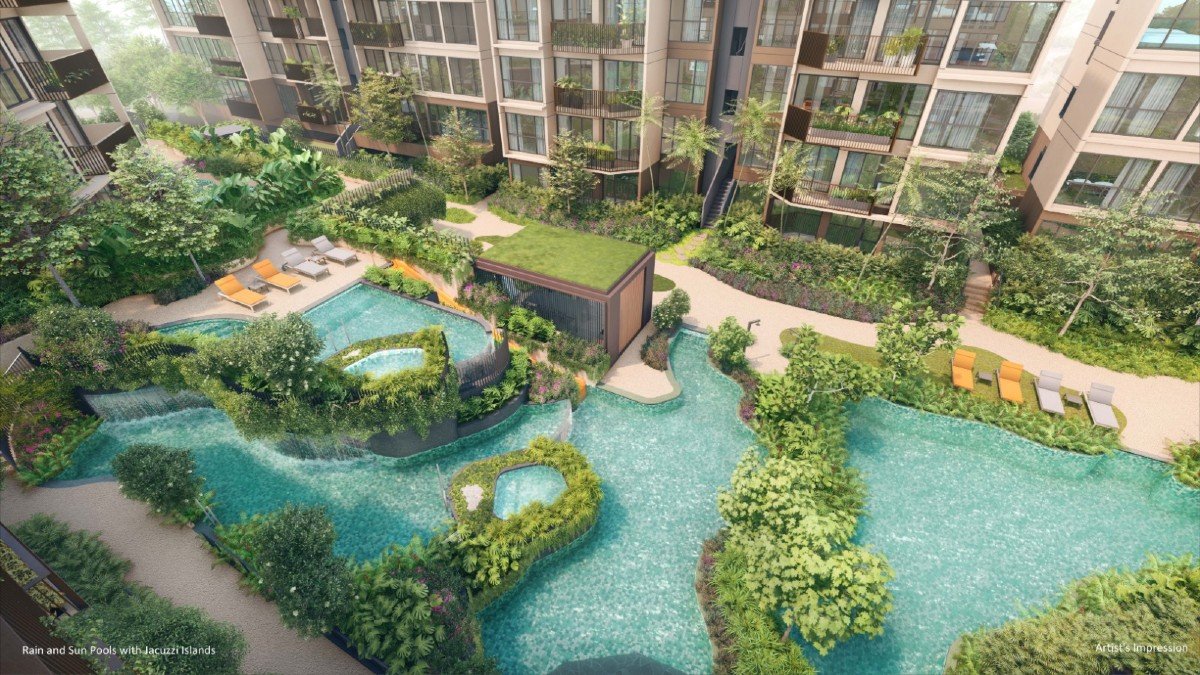
Good swimming pool design starts with how you will use the pool, then fits the shape, depth, materials and safety features to your garden and budget. Whether you are planning a family pool, a pool for lap swimming or a small plunge pool, the same questions apply: where will it go, what will it be built from, and how will you keep it safe and easy to maintain? This guide walks through the choices in the order you will need to make them.
Start with how you will use the pool
Write down the main purpose before you look at shapes or finishes. It decides almost everything else.
- Family fun and play: needs a shallow area, wide steps or a sun shelf, and room to move around the edge.
- Lap swimming: needs a long, narrow rectangle with consistent depth.
- Relaxing and entertaining: suits free-form or curved shapes, a bench, lighting and a seating area nearby.
- Small gardens: a plunge pool or compact pool gives you cooling off and relaxing space without taking the whole garden.
Choose the pool type
| Type | Strengths | Things to consider |
|---|---|---|
| Concrete or gunite | Any shape or size, very durable, many finishes | Longest build time and usually the highest cost |
| Fibreglass | Delivered as a shell, so quicker to install, smooth surface that resists algae | Limited to the shapes and sizes the manufacturer makes, and transport access matters |
| Vinyl liner | Lower upfront cost, smooth feel, flexible shapes | Liners wear out and need replacing after several years |
| Above-ground | Lowest cost and quickest to set up, can be semi-permanent | Less design flexibility, and it is more visible in the garden |
Pick a shape and size
- Rectangle: the classic choice. It fits neatly in most gardens, suits swimming laps and works with covers.
- Free-form or kidney: a softer look that blends with a naturalistic garden, but it can waste space and be harder to cover.
- L-shape or Roman: separates a swimming area from a play or relaxation area.
- Plunge pool: a small, deep pool for cooling off and relaxing rather than swimming laps.
As a guide, leave enough space around the pool for walking, seating and equipment, and do not design the pool to the edge of the plot. A long pool should be easier to swim in, while a wide pool is better for play.

Plan the depth
A pool with a shallow end, a deep end and a gentle slope between them suits most families. Plan a shallow section for children and weaker swimmers and a deeper area for swimming and diving, if you want one. Diving needs a suitable depth and design, so ask your designer for guidance rather than assuming any deep end is safe for it. Mark depths clearly on the pool edge.
Choose the location
- Sun: a spot with plenty of sunshine keeps the water warmer and cuts heating costs.
- Shelter: a position out of the wind reduces heat loss and debris.
- Trees: leaves create more cleaning work and roots can damage the structure, so keep the pool a sensible distance from large trees.
- Access: machinery and a fibreglass shell, if you choose one, need a route into the garden.
- Underground services: check for drains, pipes and cables before any digging.
- Views: think about how the pool looks from the house, as well as how it looks from the water.
Features that make a pool better to use
- Steps and a sun shelf: wide, shallow areas that are good for children and for sitting in the water.
- Lighting: LED lights extend use into the evening and add safety and atmosphere.
- Heating: heat pumps and solar covers can extend the swimming season.
- A cover: reduces heat loss and debris, and a safety cover adds protection.
- Water features: waterfalls and jets add sound and movement but increase running costs and noise.
- Surrounds: choose non-slip paving that stays cooler under bare feet.
Safety comes first
- Fence the pool so children cannot get to the water unsupervised, with a self-closing, self-latching gate.
- Consider a pool alarm and a safety cover.
- Use non-slip surfaces around the edge and in the pool steps.
- Mark depths clearly, and keep rescue equipment close.
- Never leave children alone near water. Fences and alarms add layers of protection but do not replace adult supervision.
Rules, permission and building regulations
In the UK, a garden pool may need planning permission or building regulations approval depending on its size, position, whether it is fixed and whether the property is listed or in a protected area. Electrical work, drainage and heating also have to meet regulations. Check with your local planning authority before you start, and use a qualified, insured installer. If you live outside the UK, check local permit and fencing rules.
Running costs and maintenance
The build cost is only part of the story. A pool also needs filtration, water treatment, cleaning and, usually, heating.
- Choose an efficient pump and filtration system, and size it for the pool.
- Use a cover to cut heat loss and evaporation.
- Test and balance the water regularly.
- Plan where the plant room and storage will go, so it is accessible but out of sight.
Common swimming pool design mistakes
- Designing the pool before deciding what it is for
- Putting it in the shade or under trees
- Skipping a cover, which raises heating and cleaning costs
- Leaving too little space around the edge
- Choosing slippery surfaces or no fencing
- Forgetting about access for machinery and about underground services
- Focusing on the build cost and ignoring running costs
Frequently asked questions
What is the best shape for a small garden?
A rectangle or a plunge pool usually uses small spaces most efficiently.
More in Lifestyle
Which pool type is the cheapest?
Above-ground and vinyl liner pools generally cost less to build than fibreglass or concrete, but compare lifetime costs, including liner replacement.
How deep should a swimming pool be?
It depends on the use. Family pools often have a shallow end and a deeper end, and diving needs specific design guidance from a professional.
Do I need planning permission for a pool?
Possibly. Check with your local planning authority, because it depends on the size, location and property.
How can I reduce heating costs?
Choose a sunny, sheltered position, use a cover and consider a heat pump or solar heating.
Summary
Good swimming pool design begins with how you will use the pool. Choose a pool type and shape that fit your garden, plan the depth and location carefully, add features that make it enjoyable, and put safety first. Check planning and building rules before you start, and plan for the running costs, not just the build.