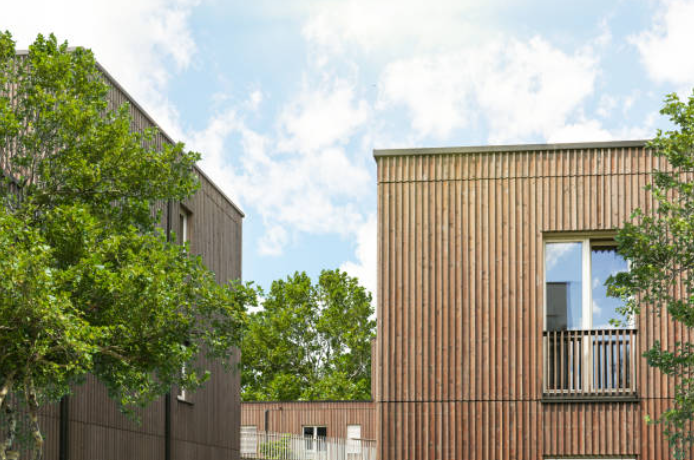
There’s been a noticeable shift in the way people approach building and outdoor design. A few years ago, timber felt like an optional detail—something added for character rather than function. Now it’s moving into a much more central role. Part of that comes from changing attitudes around sustainability, but the bigger shift is that timber has evolved. The materials available today don’t behave like the boards people struggled with in the past. They’re more stable, more predictable, and far better suited to long‑term projects.
One of the reasons behind this change is that people are beginning to prioritise natural spaces again. The push for outdoor living, quiet retreats in the garden, and home upgrades that feel more personal has been building steadily. Instead of artificial materials that fade or feel overly processed, homeowners want something that settles into the environment rather than pulls attention away from it. That’s pushed timber back into the spotlight—but in a more refined form.
Decking is a good example of this shift. Not long ago, it was viewed as a quick way to neaten up a garden. Now it’s treated as part of the home’s overall architecture. People want a surface that looks good through the seasons, holds its shape, and doesn’t turn into a maintenance battle every spring.
It’s why searches for decking near me have increased so sharply. Homeowners aren’t just looking for a platform for garden furniture—they’re building outdoor rooms. They want continuity between the interior and exterior of the house, and they want materials that feel authentic. Modified decking has made this possible. Boards that resist rot, stay straighter, and age evenly give homeowners confidence to treat their garden as a long-term living space, not a temporary setup.
At the same time, architects and builders are looking for materials that support the growing pressure to reduce environmental impact. Timber naturally performs well here. It locks away carbon, reduces reliance on high-energy‑production materials, and offers a lifespan that fits well with modern building expectations. But the biggest transformation has been in how timber can meet safety standards—especially in larger or more complex builds.
Fire resistance was always the main barrier. It kept timber out of certain projects entirely. That’s changed significantly with deeper, more reliable treatment methods. Instead of coatings that wear away, modern fire-retardant processes alter the structure of the timber itself. They slow ignition, limit flame spread, and produce results consistent enough to satisfy modern regulations. This development has opened doors that were previously closed.
As a result, materials like fireproof cladding are appearing in places where timber rarely featured before—apartment façades, commercial units, school buildings, and boundary-facing structures where strict safety rules apply. What used to be considered an aesthetic luxury has become a viable, compliant building material.
Another trend shaping the timber landscape is the way people now think about ageing. With synthetic materials, ageing is often a negative: surfaces fade unpredictably or deteriorate in a way that looks tired quickly. Timber, when chosen carefully, doesn’t have that problem. It tends to soften and weather gradually. Architects are leaning into this, designing façades that evolve gently over time rather than fight the natural environment.
That mindset fits well with a broader cultural desire for authenticity. Buildings covered in identical composite panels don’t always feel human. They’re sharp, consistent, and efficient—but they don’t have warmth. Timber provides that without compromising functionality, especially now that technical improvements have made it more durable.
Looking ahead, most signs suggest that timber’s role will continue expanding. It won’t replace steel or concrete, and it doesn’t need to. Its value sits in balance. It offers a natural aesthetic with modern performance, and developers have begun to treat it as a dependable long-term choice rather than a stylistic gamble.
If anything, the rise of timber has shown that traditional materials can evolve without losing their character. As expectations grow around sustainability, longevity, and comfort, timber is in a strong position—not because it’s nostalgic, but because it meets modern demands in a quiet, practical way. It feels human, performs reliably, and adapts well to the type of spaces people want to build today.
That combination is what will keep it relevant through 2025 and beyond