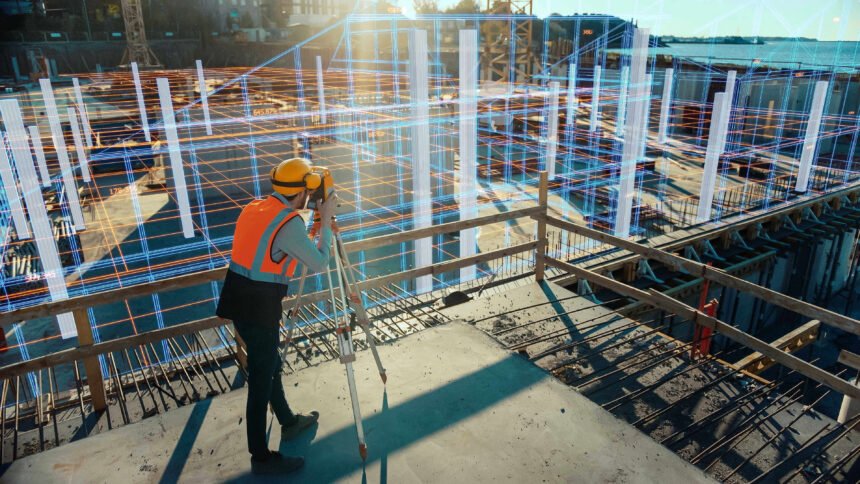
Contemporary construction is evolving at a pace that demands innovation, sustainability, and resilience. As global populations grow and environmental challenges intensify, the construction industry must adapt to meet the needs of modern society. From smarter materials to advanced design philosophies, the sector is reinventing itself to build structures that are not only functional but also future-ready.
This blog explores the key trends and strategies that are shaping the future of contemporary construction.
Embracing Advanced Materials
The foundation of any strong structure lies in its materials. Traditional options like concrete and steel have long dominated the industry, but today’s challenges call for more versatile and sustainable alternatives. Advanced materials such as high-performance composites, engineered timber, and smart alloys are redefining what’s possible in construction.
Aluminium, for example, has become a staple in modern architectural projects due to its lightweight strength, corrosion resistance, and recyclability. Companies like NOW Aluminium are at the forefront of supplying innovative aluminium systems that support sleek designs, energy efficiency, and long-lasting performance. These materials not only reduce structural weight and environmental impact but also enhance aesthetic appeal.
Integrating Sustainable Practices
Sustainability is no longer optional: it’s a core expectation. Contemporary construction must prioritise reducing carbon footprints, minimising waste, and conserving resources. This shift drives the adoption of green building certifications such as LEED, BREEAM, and WELL, which encourage projects to exceed traditional performance standards.
Recycling and reuse are central to sustainable construction. Advanced sorting technologies allow contractors to reclaim materials from demolition sites, therefore reducing landfill waste and cutting down on the need for virgin resources. Additionally, renewable energy integration (such as solar panels, geothermal systems, and wind turbines) ensures that new structures contribute to a cleaner energy grid rather than exacerbate consumption.
Leveraging Digital Innovation
Digital technologies are transforming every stage of the construction lifecycle. Building Information Modelling (BIM) enables teams to create detailed digital twins of projects, allowing better coordination, cost estimation, and risk mitigation. Through BIM, stakeholders can visualise clashes before they occur, optimise systems, and streamline workflows.
Beyond BIM, technologies like augmented reality (AR), drones, and Internet of Things (IoT) sensors are enhancing site safety and operational efficiency. AR allows workers to overlay digital instructions on physical sites, while drones survey vast areas quickly and accurately. IoT sensors embedded in materials can monitor structural health in real time, signaling maintenance needs before issues escalate.
Prioritising Resilience and Adaptability
The future of construction must account for changing climates and extreme weather events. Resilient design practices focus on creating structures that can withstand high winds, flooding, seismic activity, and other natural forces. This includes reinforcing foundations, elevating critical systems, and utilising materials engineered for durability.
Adaptable spaces are also gaining traction. Instead of static layouts, contemporary buildings are designed for flexibility: rooms that can be reconfigured, facades that adjust to sunlight, or modular components that shift based on use. This adaptability not only extends the useful life of a structure but also supports evolving human needs.
Fostering Collaboration Across Disciplines
Innovation in construction doesn’t happen in isolation. Architects, engineers, material scientists, and technologists must work in harmony to push boundaries and solve complex problems.
Collaborative platforms and shared data environments make this cross-disciplinary communication more seamless than ever.
Education and workforce development are equally important. As the industry adopts new tools and methods, training programs must evolve to equip workers with the necessary skills. Investing in human capital ensures that innovation isn’t just theoretical but applied successfully on the ground.
Conclusion
Strengthening the future of contemporary construction requires a holistic approach that embraces advanced materials, sustainable practices, digital technologies, resilience, and interdisciplinary collaboration.
As the industry continues to innovate, these strategies will help create buildings and infrastructure that stand the test of time, support environmental stewardship, and meet the dynamic needs of tomorrow’s communities.