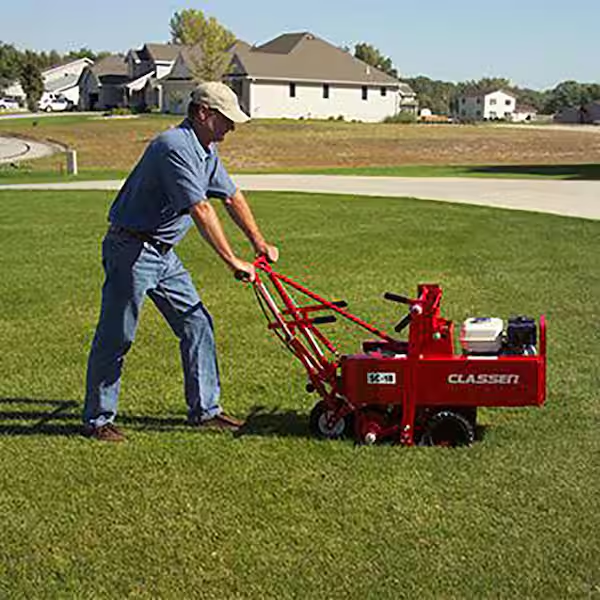
When it comes to landscaping and yard maintenance, one of the most useful tools you can own is a sod cutter. This specialized machine allows you to remove grass, weeds, and turf from your yard quickly and efficiently, whether you’re preparing for new landscaping, replanting grass, or creating a garden bed. In this comprehensive guide, we will explore everything you need to know about sod cutters, including their types, features, how to use them, and maintenance tips.
What is a Sod Cutter?
A sod cutter is a powerful machine designed to remove sections of sod or turf from the ground. The main purpose of a sod cutter is to make the process of clearing grass from your lawn easier and more efficient. Whether you are laying new sod, removing old grass, or preparing soil for planting, a sod cutter helps you to peel back the turf in large, manageable pieces.
Sod cutters can be either manual or mechanized. Manual sod cutters are typically smaller, hand-operated tools, while mechanized models, which are more common, are motorized machines that provide much more power and precision.
Key Features of a Sod Cutter
-
Blade: The cutting blade is the most important feature, typically made from high-carbon steel for durability and sharpness. The blade can be adjusted to different depths depending on the desired cut.
-
Handle: On manual sod cutters, the handle is used to guide the tool. For mechanized sod cutters, the handle is part of the machine’s steering mechanism.
-
Wheels: Many mechanized sod cutters come with wheels for easy transportation across your yard.
-
Engine: On powered models, a small gas or electric engine drives the cutter, making the job significantly easier than using manual tools.
Types of Sod Cutters
There are several types of sod cutters available, each designed for specific needs. Below are the primary types of sod cutters you might encounter:
Manual Sod Cutter
A manual sod cutter is a simple, hand-powered tool used for smaller tasks. It usually involves a sharp, horizontal blade that can be pushed into the soil to remove strips of sod. This type of sod cutter is perfect for small, targeted areas where you don’t need to remove large amounts of turf. While it requires more effort and physical labor than its mechanized counterparts, it is still a highly effective tool for basic lawn care projects.
Pros of Manual Sod Cutters:
-
Affordable: Manual sod cutters are less expensive compared to powered models.
-
Lightweight: They are easy to handle and transport.
-
Environmentally Friendly: No need for gas or electricity, which makes them eco-friendly.
Cons of Manual Sod Cutters:
-
Labor-Intensive: They require more physical effort and time to complete the job.
-
Limited Efficiency: Best for small jobs or tight spaces, as they can’t cover large areas quickly.
Gas-Powered Sod Cutter
A gas-powered sod cutter is a motorized machine that offers much more power and efficiency than manual sod cutters. These machines typically use a gas engine to drive the cutting blade, allowing you to cut through thick, dense sod and soil with ease. Gas-powered models are ideal for large areas of lawn, removing turf for landscaping projects, or even preparing fields for planting.
Pros of Gas-Powered Sod Cutters:
-
High Efficiency: Cuts large areas of sod quickly and with minimal effort.
-
Heavy Duty: Can handle thicker turf, rough terrain, and dense soil.
-
Time-Saving: Ideal for large yards or commercial landscaping projects.
Cons of Gas-Powered Sod Cutters:
-
Costly: More expensive than manual cutters.
-
Maintenance: Requires regular maintenance, such as oil changes and engine checks.
-
Noise and Emissions: Gas-powered models can be noisy and emit exhaust fumes.
Electric Sod Cutter
An electric sod cutter is similar to a gas-powered model but uses electricity instead of gas to operate. These cutters are generally quieter, more eco-friendly, and easier to maintain than gas-powered models. Electric sod cutters are perfect for medium-sized residential lawns or small landscaping projects.
Pros of Electric Sod Cutters:
-
Quiet Operation: Much quieter than gas-powered models.
-
No Emissions: More environmentally friendly as they don’t emit exhaust.
-
Low Maintenance: Requires less upkeep compared to gas-powered models.
Cons of Electric Sod Cutters:
-
Power Source: Requires a nearby electrical outlet or extension cord.
-
Less Power: May not be as powerful as gas models for large areas or tough turf.
How to Use a Sod Cutter
Using a sod cutter properly ensures that you can remove turf efficiently and with minimal damage to the underlying soil. Here is a step-by-step guide on how to use a mechanized sod cutter (though the principles apply to manual cutters as well).
Prepare Your Area
Before using a sod cutter, clear the area of any debris, rocks, or obstacles that could interfere with the cutting process. If you’re working in a large space, it might be helpful to mark the area you plan to cut to keep things organized.
Adjust the Cutting Depth
Most sod cutters allow you to adjust the cutting depth, which is the amount of soil that the cutter will penetrate. For standard turf removal, set the cutter to a depth of about 1.5 to 2 inches. If you need to remove thicker layers of sod, adjust the depth accordingly.
Start the Sod Cutter
Start the sod cutter according to the manufacturer’s instructions. If you’re using a gas-powered model, make sure the engine is properly primed and that the throttle is set to the appropriate level. For electric or manual cutters, ensure that the power source or manual mechanism is ready.
Begin Cutting
Slowly push the sod cutter forward, allowing the blade to cut through the sod and soil. The sod cutter will remove strips of grass, which you can then roll up and remove from the area. Work in a straight line, and move the cutter methodically across the area.
Roll and Remove the Sod
Once the sod has been cut into strips, use a rake or shovel to roll up the sod and remove it from the area. Depending on the project, you may be reusing the sod or discarding it.
Clean the Sod Cutter
After finishing your project, clean the sod cutter thoroughly to remove dirt, grass, and debris. This will ensure it operates effectively during future uses and prolong its lifespan.
Tips for Using a Sod Cutter
To get the best results from your sod cutter, keep these tips in mind:
Choose the Right Model for the Job
Make sure you choose a sod cutter that is appropriate for the size and scope of your project. If you’re tackling a large area, a gas-powered or electric model will save you time and energy. For smaller areas, a manual cutter may suffice.
Work in Small Sections
If you’re removing turf in a large area, break the job up into manageable sections. This will make the job feel less overwhelming and ensure that the cutter is able to work efficiently.
Wear Protective Gear
When operating a sod cutter, be sure to wear protective gear, such as gloves, sturdy boots, and safety goggles. The machine can kick up debris, and you want to protect yourself from any potential injury.
Use the Cutter at a Steady Pace
Don’t rush through the cutting process. Let the cutter do the work, and maintain a steady pace to avoid overworking the machine or causing uneven cuts.
Maintain Your Equipment
Regular maintenance is crucial to keeping your sod cutter in good working condition. Follow the manufacturer’s guidelines for cleaning and maintenance, and make sure to replace parts, such as blades, when necessary.
Maintaining a Sod Cutter
Proper maintenance of your sod cutter ensures that it operates efficiently for years to come. Here are a few maintenance tips:
Sharpen the Blades
Sod cutters rely on sharp blades to make clean cuts. Over time, the blades may dull, so it’s essential to sharpen them periodically. Many sod cutters come with instructions for how to sharpen the blades.
Check the Engine (Gas Models)
For gas-powered models, check the engine oil, air filter, and spark plugs regularly. Make sure the engine is running smoothly, and replace any worn or damaged components as needed.
Clean the Cutter After Each Use
After each use, clean the cutter thoroughly to remove any grass clippings, dirt, and other debris. This will help prevent buildup and ensure that the cutter continues to operate at its best.
Store the Cutter Properly
When not in use, store the sod cutter in a dry, cool place to protect it from the elements. If you have a gas-powered model, make sure to drain the fuel if you plan on storing it for an extended period.
Conclusion
A sod cutter is an invaluable tool for anyone who needs to remove turf efficiently and effectively. Whether you’re preparing your lawn for new landscaping, creating garden beds, or removing old grass for replanting, a sod cutter helps make the job easier and faster. With the right model, proper usage techniques, and regular maintenance, a sod cutter will serve you well for years to come, helping you achieve a beautiful and well-maintained yard.