
Rash guards are a popular choice for water sports enthusiasts, providing both comfort and protection. However, many wearers experience an uncomfortable surprise: rash from rash guard. If you’ve ever felt the sting of irritation or the itchiness that can come from these snug-fitting garments, you’re not alone. Understanding what causes these rashes and how to prevent them can make all the difference in your next surf session or swim class.
Dive into this rash from rash guard to uncover everything you need to know about rash guards and their pesky side effects. From identifying different types of rashes to discovering alternative fabrics suited for sensitive skin, we’ve got you covered! Whether you’re a seasoned pro or just starting out, let’s explore how to keep your skin happy and healthy while enjoying your favorite aquatic activities.
What is a Rash Guard?
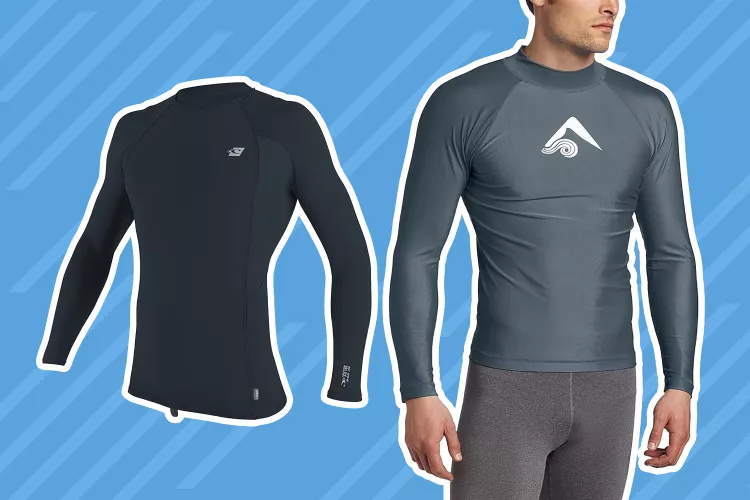
A rash guard is a versatile piece of athletic wear designed primarily for water sports. Typically made from synthetic materials like nylon and spandex, these garments fit snugly against the skin.
Originally crafted to protect surfers from rashes caused by chafing on surfboards, they have evolved into essential gear for various activities. Whether you’re paddleboarding, swimming, or participating in beach volleyball, rash guards offer more than just comfort.
These tops often come with UV protection, shielding your skin from harmful sun rays during long hours outdoors. Their quick-drying properties are another perk, allowing you to transition seamlessly between water and land.
With styles ranging from short-sleeved to long-sleeved options, there’s something for everyone. They blend fashion with functionality while adding an extra layer of defense against environmental elements.
Common Causes of Rashes from Rash Guards
Rashes from rash guards can stem from several common issues. One of the primary culprits is friction. The snug fit that these garments provide may cause irritation, especially during vigorous activities like surfing or swimming.
Another factor is moisture retention. Many rash guards are designed to wick away sweat, but if they become too damp and clingy, it can lead to chafing and rashes in sensitive areas.
Skin sensitivity plays a role as well. Some individuals may be allergic to specific materials used in the fabric or dyes. This reaction could manifest as redness and discomfort soon after wearing the guard.
Improper sizing can contribute to skin irritations. A rash guard that’s too tight might dig into your skin while one that’s too loose can rub against it improperly, leading to unwanted rashes over time.
Identifying and Treating Different Types of Rashes
Rashes can vary significantly, so identifying the type is essential for effective treatment. Contact dermatitis often presents as redness and itching after direct skin contact with a material. This could stem from the fabric of your rash guard or any chemicals used in its production.
Fungal infections may also occur, especially in warm, moist conditions. Look for red patches that are scaly and may ooze if scratched.
If you notice raised welts or hives, this might indicate an allergic reaction to the rash guard’s materials. These require immediate attention to alleviate discomfort.
For treatment, over-the-counter hydrocortisone cream can soothe inflammation caused by contact dermatitis or allergies. Antifungal creams are ideal for fungal rashes but consulting a healthcare professional is wise for persistent issues or severe reactions. Always pay attention to how your skin responds after wearing different types of fabrics to pinpoint potential triggers effectively.
Tips for Preventing Rashes from Rash Guards
Choosing the right size is crucial. A snug fit can help avoid chafing, but too tight can cause irritation. Always opt for a rash guard that fits comfortably.
Washing your rash guard after each use is essential. Saltwater and chlorine can irritate sensitive skin over time. Use mild detergent to keep fabrics soft and free from harsh chemicals.
Consider applying a thin layer of anti-chafe cream on areas prone to rashes. This creates a protective barrier against friction.
Rinse thoroughly before wearing it again if you’ve been in salty or chlorinated water. Residue left behind can lead to discomfort during your next session.
Pay attention to the fabric content. Look for materials designed specifically for sensitive skin; they often provide better protection against rashes while still offering comfort during wear.
Alternative Fabrics for Sensitive Skin
For those with sensitive skin, choosing the right fabric is crucial. Natural fibers like organic cotton and bamboo are excellent alternatives. They allow your skin to breathe while reducing irritation.
Merino wool is another fantastic option. This soft, moisture-wicking material helps regulate temperature without causing itchiness or discomfort.
Consider using fabrics blended with Tencel. Made from sustainably sourced eucalyptus trees, Tencel offers a silky feel that’s gentle on the skin and highly absorbent.
Nylon blends can also be suitable if you’re looking for stretch and durability but ensure they come with added softness treatments to minimize abrasiveness.
Look out for garments labeled as hypoallergenic. These typically undergo processes designed to reduce allergens that could trigger rashes or irritations.
Proper Care and Maintenance of Rash Guards
Proper care and maintenance of rash guards is essential for their longevity and performance. After every use, rinse your rash guard in cold water. This helps remove salt, chlorine, and sand that can degrade the fabric.
Avoid using harsh detergents or bleach when washing. A gentle detergent works best to preserve elasticity and color vibrancy. Handwashing is ideal, but if you prefer a machine, select a delicate cycle.
Drying requires special attention too. Avoid direct sunlight as it can fade colors and weaken fibers over time. Instead, hang your rash guard to dry in a shaded area.
Store it flat or hung up rather than crumpled in a ball. This prevents creases that could lead to wear over time.
Regularly inspect for any signs of damage like fraying seams or fading colors—early detection can save you from bigger issues later on.
Conclusion
When enjoying water sports or outdoor activities, a rash guard can be an essential piece of gear. However, it’s important to recognize that wearing one may lead to unwanted skin irritations for some individuals. Understanding the nature of rashes from rash guards is crucial in ensuring a comfortable and enjoyable experience.
By identifying common causes and knowing how to treat different types of rashes, you can quickly address any issues that arise. Implementing preventative measures—like choosing the right fabric and maintaining your gear properly—will go a long way in minimizing discomfort.
For those with sensitive skin, exploring alternative fabrics may provide relief while still offering protection during physical activities. Staying informed about care practices can prolong the life of your rash guard and keep irritation at bay.
Enjoy your adventures without fear of irritation by taking proactive steps against rashes from rash guards!

