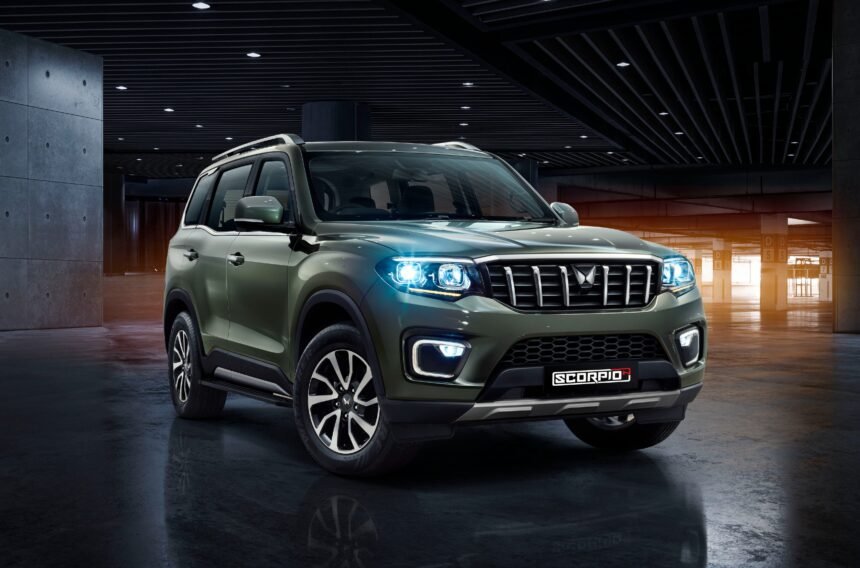
In an era where most SUVs are built on monocoque platforms designed for comfort and efficiency, body-on-frame construction has become less common. Yet, it has not disappeared. The continued presence of vehicles like the Mahindra Scorpio N highlights why ladder-frame SUVs still hold relevance in India’s diverse driving landscape.
Rather than competing directly with urban-focused crossovers, body-on-frame SUVs occupy a distinct position—one rooted in durability, load-bearing strength, and multi-terrain capability.
Understanding Body-on-Frame Construction
Body-on-frame architecture involves mounting the vehicle’s body onto a separate ladder frame chassis. This traditional SUV construction method differs from monocoque designs, where the body and chassis form a single integrated structure.
The Scorpio N is built on what Mahindra describes as a next-generation body-on-frame platform, engineered for improved torsional stiffness and structural rigidity. This updated frame is designed to enhance high-speed stability and off-road capability while maintaining durability.
While monocoque platforms typically offer lighter weight and smoother ride comfort, body-on-frame SUVs are often preferred in conditions where structural resilience matters more than refinement.
Durability for Varied Road Conditions
India’s road infrastructure varies widely across regions. Urban expressways coexist with broken rural roads, steep inclines, and uneven terrain. Body-on-frame SUVs like the Scorpio N are engineered to handle this diversity.
The SUV gets features such as the WATT’s link rear suspension and Frequency Dependent Damping (FDD), both aimed at improving ride control while retaining robustness. These technologies demonstrate how modern ladder-frame SUVs attempt to balance traditional toughness with improved ride quality.
For buyers who frequently travel across mixed terrain—urban, highway, and semi-rural—this structural strength offers long-term reassurance.
Load-Bearing and Practical Capability
Another advantage of body-on-frame construction is its ability to handle load and towing demands effectively. SUVs built on ladder frames are often chosen by buyers who:
- Carry multiple passengers regularly
- Travel long distances with luggage
- Operate in regions where roads are unpredictable
The Scorpio N’s rear-wheel-drive layout, along with the availability of the 4XPLOR intelligent 4WD system on select variants, further reinforces its positioning as a capability-focused SUV.
These attributes distinguish it from many monocoque SUVs that prioritise comfort over ruggedness.
Powertrain Aligned with Structural Strength
The Scorpio N’s engine options also reflect its body-on-frame identity. The SUV features a 2.0-litre mStallion petrol engine (up to 380 Nm torque) and the 2.2-litre mHawk diesel engine (up to 400 Nm torque).
High torque output complements ladder-frame construction, enabling confident load handling and improved off-road traction. Transmission options, including manual and automatic gearboxes, further broaden its usability across driving conditions.
This pairing of torque-heavy engines with a strong frame platform reinforces the logic behind body-on-frame SUVs: mechanical consistency under varied demands.
Comfort Without Abandoning Core Strength
Modern buyers expect comfort even in rugged SUVs. The Scorpio N incorporates features such as ventilated seats, a multi-speaker sound system, dual-zone climate control, and connected technology through Adrenox.
These additions illustrate how body-on-frame SUVs are evolving. They no longer rely solely on strength as a selling point but integrate convenience and digital functionality to meet contemporary expectations.
However, comfort enhancements do not alter the vehicle’s underlying architecture. Its identity remains rooted in structural durability rather than lightweight efficiency.
How Buyers Research Body-on-Frame SUVs Today
As the SUV market becomes more segmented, buyers are increasingly careful about understanding platform differences before making a decision. Rather than relying solely on dealership explanations, many compare structural layouts, drivetrain options, and safety features online.
On platforms such as ACKO Drive, which allow users to buy cars online while also offering expert reviews and structured comparisons, vehicles like the Scorpio N are often evaluated specifically for their ladder-frame construction and real-world capability. This research-driven approach highlights that buyers are intentionally choosing body-on-frame SUVs rather than defaulting to them.
Why Body-on-Frame Still Matters
Despite the rise of monocoque SUVs, body-on-frame platforms continue to serve buyers who prioritise:
- Long-term durability
- Mixed-terrain usability
- Load-bearing confidence
- Traditional SUV characteristics
For these users, the trade-off in ride softness is acceptable when weighed against structural reliability.
Conclusion
The Mahindra Scorpio N demonstrates why body-on-frame SUVs remain relevant in India. Through its next-generation ladder-frame construction, torque-rich powertrains, and multi-terrain capability, it represents a format that continues to serve specific but significant buyer needs.
As the SUV market expands, the continued coexistence of monocoque and body-on-frame platforms reflects diverse priorities rather than technological backwardness. For buyers seeking durability and capability over refinement alone, the ladder-frame SUV remains not just relevant—but purposeful.