When it comes to choosing the right flooring for your home or business, Lifeproof flooring has emerged as one of the top choices. Known for its durability, affordability, and stylish options, Lifeproof flooring offers a perfect blend of practicality and aesthetics. Whether you’re remodeling your home or installing flooring in a high-traffic area, this guide will help you understand why Lifeproof flooring is such a popular choice and how it can transform your space.
What is Lifeproof Flooring?
Lifeproof flooring is a brand of high-quality, waterproof vinyl plank and luxury vinyl tile flooring that is designed to be both durable and stylish. Manufactured by Home Depot, Lifeproof flooring is designed to provide a solution for homes with busy families, pets, and high moisture areas like kitchens, bathrooms, and basements. One of the key features of this flooring is its waterproof and scratch-resistant properties, which make it a suitable option for nearly any area in your home.
Key Features of Lifeproof Flooring
-
Waterproof: The primary selling point of Lifeproof flooring is its waterproof capabilities, making it ideal for kitchens, bathrooms, and basements.
-
Durable: Lifeproof flooring is built to withstand heavy foot traffic, pets, and furniture, which makes it an excellent choice for both residential and commercial spaces.
-
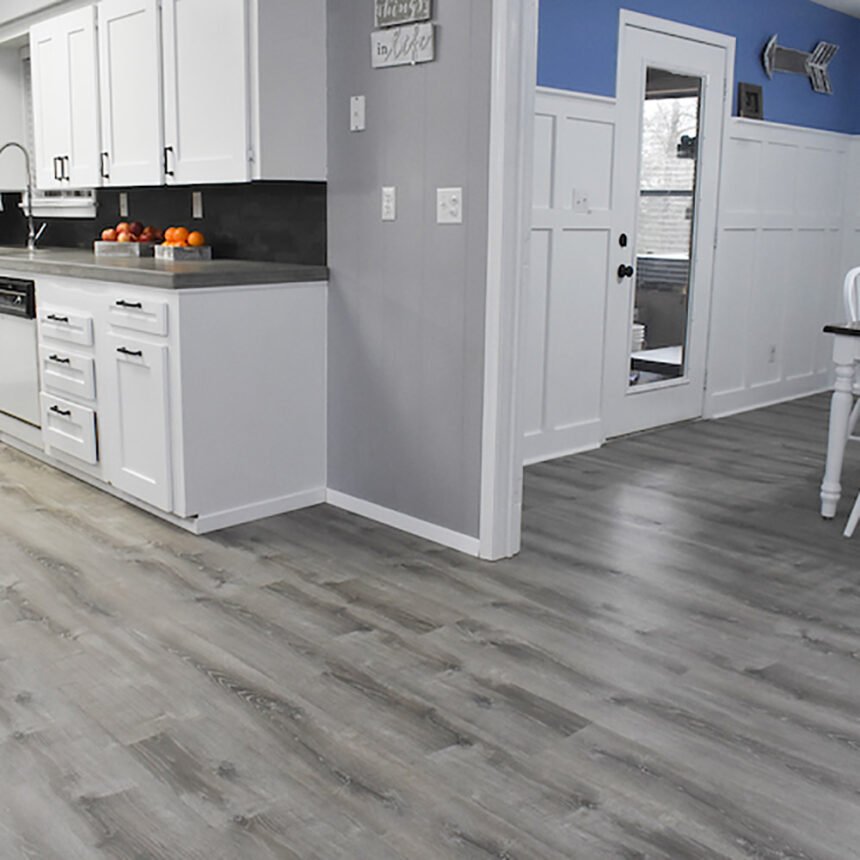
Stylish Designs: Available in a wide range of colors, textures, and finishes, Lifeproof flooring mimics the appearance of natural materials like wood and stone.
-
Easy to Install: With its click-lock installation system, Lifeproof flooring can be installed easily by DIY enthusiasts without the need for glue, nails, or staples.
-
Low Maintenance: Lifeproof flooring is easy to clean and maintain, requiring only occasional sweeping and mopping to keep it looking like new.
Benefits of Lifeproof Flooring
Lifeproof flooring offers numerous benefits that make it a top choice for homeowners. Let’s dive into some of the main advantages:
Waterproof and Moisture Resistant
Lifeproof flooring’s waterproof nature makes it perfect for areas prone to moisture, such as kitchens, bathrooms, and basements. Unlike traditional hardwood or laminate flooring, Lifeproof’s waterproof core prevents water from seeping into the floor and causing damage. This feature helps avoid swelling, warping, or buckling over time, especially in high-humidity environments.
Durability and Scratch Resistance
Lifeproof flooring is built to endure everyday wear and tear. The wear layer on top of the flooring is resistant to scratches, stains, and scuffs. This is particularly important for homes with pets, children, or high-traffic areas. The durability of Lifeproof flooring ensures that it can withstand the pressures of daily life while maintaining its appearance.
Ease of Installation
One of the standout features of Lifeproof flooring is its easy installation process. The click-lock system allows you to install the flooring without the need for glue, nails, or staples. Whether you’re a professional contractor or a DIY enthusiast, the quick installation process makes it an appealing choice for many homeowners.
Aesthetic Appeal
Lifeproof flooring comes in a variety of styles, from the natural look of hardwood planks to the sleek appearance of stone tiles. The realistic textures and finishes make it difficult to tell Lifeproof flooring apart from real wood or stone, allowing you to enjoy the beauty of these materials without the maintenance.
Low Maintenance
Lifeproof flooring is incredibly easy to maintain. Unlike traditional hardwood floors, there’s no need for polishing or refinishing. A simple cleaning routine consisting of sweeping and mopping will keep your floor looking pristine for years. It is resistant to stains, making it a great option for households with children or pets.
Affordability
While traditional hardwood or stone flooring can be quite expensive, Lifeproof flooring offers an affordable alternative without sacrificing quality. It’s a budget-friendly choice that allows you to achieve the aesthetic appeal of more expensive flooring materials at a fraction of the cost.
Types of Lifeproof Flooring
Lifeproof flooring comes in several types, each designed for different preferences and spaces. Understanding the different types of Lifeproof flooring will help you choose the best option for your needs.
Lifeproof Vinyl Plank Flooring
Vinyl plank flooring is one of the most popular types of Lifeproof flooring. It features a design that mimics hardwood, offering the natural look of wood without the high cost or maintenance. Vinyl planks are easy to install, durable, and water-resistant, making them perfect for both residential and commercial spaces.
Benefits of Lifeproof Vinyl Planks:
-
Mimics the look of real wood with realistic textures and finishes.
-
Suitable for high-moisture areas like kitchens and bathrooms.
-
Easy to clean and maintain.
Lifeproof Luxury Vinyl Tile (LVT)
Luxury Vinyl Tile (LVT) is another option offered by Lifeproof, which gives you the beauty of natural stone or ceramic tile without the associated costs or maintenance. LVT tiles are highly durable, water-resistant, and easy to install. They are perfect for areas that require the durability of tile flooring but with a softer feel underfoot.
Features of Lifeproof LVT:
-
Available in designs that replicate stone, slate, and ceramic tiles.
-
Ideal for kitchens, bathrooms, and laundry rooms.
-
Provides a smooth surface that is comfortable to walk on.
Lifeproof Click-Lock Flooring
For homeowners looking for an easy installation solution, click-lock flooring is an excellent choice. This option allows you to lock the planks or tiles into place without the need for glue, staples, or nails. The locking system makes it simple to replace a damaged plank or tile without having to remove the entire floor.
Benefits of Lifeproof Click-Lock Flooring:
-
No need for adhesive or nails during installation.
-
Can be installed over most existing floors, reducing prep time.
-
Easy to replace individual planks if needed.
How to Install Lifeproof Flooring
Installing Lifeproof flooring is a relatively straightforward process. The click-lock system makes installation quick and easy, even for beginners. Here’s a step-by-step guide to help you get started:
Prepare the Subfloor
Before you begin installation, make sure the subfloor is clean, dry, and level. If necessary, remove any existing flooring and repair any uneven spots on the subfloor. A smooth and flat surface is essential for ensuring that the Lifeproof flooring adheres properly.
Lay the Underlayment (If Necessary)
Depending on the type of Lifeproof flooring you choose, you may need to install an underlayment. This layer provides additional cushioning, soundproofing, and moisture protection. Make sure the underlayment is installed properly according to the manufacturer’s instructions.
Install the First Row
Start by placing the first row of planks or tiles along the longest wall in the room. Make sure to leave a small expansion gap (usually around ¼ inch) between the flooring and the wall to allow for any expansion or contraction due to changes in temperature and humidity.
Click the Planks or Tiles Together
Using the click-lock system, connect each plank or tile to the next. Continue this process across the room, ensuring that the planks fit snugly together. For tiles, you may need to cut pieces to fit along the edges of the room using a tile cutter or utility knife.
Finish the Installation
Once all the planks or tiles are in place, install baseboards or trim around the perimeter of the room to cover the expansion gap. You can then clean the floor to remove any debris or dust from the installation process.
How to Maintain Lifeproof Flooring
Lifeproof flooring is relatively low-maintenance, but a simple cleaning routine will ensure that it stays looking its best. Here’s how to care for your Lifeproof flooring:
Regular Cleaning
Sweep or vacuum your floor regularly to remove dirt, dust, and debris. Use a soft broom or a vacuum with a soft brush attachment to avoid scratching the surface. Clean the floor with a damp mop and a mild cleaning solution designed for vinyl floors.
Avoid Harsh Chemicals
Avoid using harsh cleaning chemicals or abrasive tools that could damage the surface of the flooring. Stick to products specifically designed for vinyl floors to keep the finish intact.
Protect from Heavy Furniture
While Lifeproof flooring is highly durable, it’s a good idea to place furniture pads or felt pads under heavy furniture to prevent scratching or denting the floor.
Handle Spills Promptly
Lifeproof flooring is waterproof, but it’s still a good idea to wipe up spills as soon as possible to avoid stains or slippery surfaces. Clean up any liquid with a cloth or paper towel to prevent water from sitting on the surface for long periods.
Conclusion
Lifeproof flooring is an excellent choice for anyone looking for a durable, water-resistant, and aesthetically appealing flooring solution. Whether you’re upgrading your kitchen, bathroom, or entire home, Lifeproof offers a range of styles that mimic the look of wood, stone, and tile at a fraction of the cost. With its easy installation, low maintenance, and durability, Lifeproof flooring is perfect for high-traffic areas, busy households, or anyone seeking a practical flooring solution that doesn’t compromise on style.