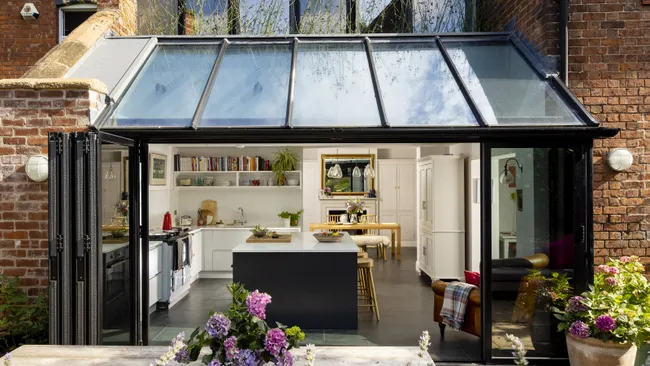
Are you looking to add extra space and charm to your home? A lean-to extension could be the perfect solution. This versatile addition not only enhances your living area but also brings a unique style that can elevate the overall aesthetic of your property. Whether you’re dreaming of a cozy sunroom, an open-plan kitchen, or simply some extra storage space, a lean to extension offers incredible possibilities. Dive in as we explore what makes this type of extension so appealing and how it can transform your home into a more functional and inviting space.
What is a Lean To Extension?
A lean-to extension is a simple yet effective way to expand your home. Typically constructed at an angle, it leans against an existing wall, creating a seamless transition between the original structure and the new space.
This design often features a sloped roof, which allows for efficient drainage while adding character to your property. Lean-to extensions are commonly used for sunrooms, additional living areas, or even functional spaces like utility rooms.
Their straightforward construction makes them more cost-effective compared to other types of extensions. This flexibility means they can fit into various architectural styles, enhancing both modern and traditional homes alike. With thoughtful planning and creativity, a lean-to extension can become the highlight of your home’s layout.
Benefits of Adding a Lean To Extension to Your Home
A lean to extension can significantly enhance your living space. It provides additional room without the need for complex construction, making it a practical choice.
These extensions often serve multiple purposes. Whether you seek extra storage, a cozy reading nook, or an open-plan kitchen area, the versatility is remarkable.
Natural light floods into lean to designs thanks to their slanted roofs and large windows. This brightness not only enriches daily life but also creates an inviting atmosphere.
Moreover, adding this type of extension can boost your property’s value. A well-designed structure appeals to future buyers looking for functional spaces.
Eco-conscious homeowners will appreciate that lean to extensions are usually more energy-efficient than traditional builds. They require fewer materials and generate less waste during construction.
Enhancing curb appeal is another perk of these extensions. Their unique aesthetic can set your home apart in the neighborhood while maintaining harmony with existing architecture.
Factors to Consider When Building a Lean To Extension
When planning a lean to extension, location plays a crucial role. Assess the positioning relative to sunlight and existing structures. This can affect natural light and airflow.
Next, consider your local building regulations. Familiarize yourself with zoning laws and permit requirements that may apply. These rules help ensure safety and compliance.
Budget is another significant factor. Outline all potential costs: materials, labor, permits, and unexpected expenses. Having a clear financial plan helps avoid surprises later on.
Think about how the new space will integrate with your current home design. Aim for cohesion in style and functionality to maintain aesthetic appeal.
Don’t overlook drainage issues if you’re extending over outdoor areas like patios or gardens. Proper water management prevents future complications such as flooding or erosion around your property.
Types of Materials Used for Lean To Extensions
When considering a lean to extension, the choice of materials is crucial. Wood is one of the most popular options due to its aesthetic appeal and versatility. It can easily blend with various architectural styles.
Metal frames are another strong contender. They offer durability and resistance against harsh weather conditions. Steel or aluminum can create a modern look that many homeowners appreciate.
For roofing, glass panels are gaining popularity as they allow natural light to flood the space. This creates an open and airy feel while providing protection from the elements.
Brick or stone walls add character and insulation value, making them excellent choices for those seeking a more traditional vibe.
Composite materials combine different elements for strength and low maintenance needs, ideal for busy lifestyles. Each material offers unique advantages tailored to different preferences and budgets.
Design Ideas for Your Lean To Extension
When considering design ideas for your lean to extension, think about how you want the space to function. A cozy reading nook can be achieved with large windows that invite natural light while offering views of your garden.
For a more open feel, consider incorporating bi-fold doors. They create a seamless transition between indoor and outdoor spaces, perfect for entertaining guests or enjoying sunny days.
Adding skylights can enhance brightness and make the area feel larger. This is an excellent option if you’re transforming a small room into something more inviting.
Choose materials that complement your home’s existing architecture. Timber frames bring warmth, while glass adds modern elegance.
Don’t forget about color schemes! Soft pastels or bold accents can define the mood of your new space. Think about integrating built-in shelving or seating to maximize functionality without sacrificing style.
How to Choose the Right Contractor for Your Lean To Extension Project
Choosing the right contractor for your lean to extension is crucial. Start by seeking recommendations from friends or family who have completed similar projects. Personal referrals often lead you to reliable professionals.
Check online reviews and ratings. Websites like Yelp or Google can provide insights into a contractor’s reputation. Look for feedback specifically related to home extensions.
Once you’ve narrowed down your options, request quotes from at least three contractors. This will allow you to compare not only prices but also project timelines and offered services.
Don’t hesitate to ask about their previous work on lean-to extensions. A solid portfolio demonstrates experience in this type of construction.
Communication is key throughout the process. Choose someone who listens carefully and addresses all your concerns promptly. This ensures a smoother working relationship during the entire project duration.
Conclusion
When considering a lean to extension, it’s essential to weigh the advantages it can bring against your personal needs and budget. This type of extension not only enhances your living space but also adds value to your home. The flexibility in design allows you to create an area that suits your lifestyle, whether it’s for a sunroom, extra storage, or even a workspace.
As with any construction project, careful planning is vital. Take into account local regulations and zoning laws before starting the process. Choosing the right materials will ensure durability and aesthetic appeal while picking an experienced contractor can make all the difference in bringing your vision to life.
By exploring different design ideas and being mindful of various factors involved in building a lean to extension, you set yourself up for success. Embrace this opportunity to transform your home into something more functional and beautiful while enjoying the benefits that come with such an addition.