Introduction to Recruitment Marketing
Recruitment marketing is no longer just a buzzword; it’s an essential strategy for organizations looking to attract top talent in today’s competitive job market. As companies strive to fill roles with the best candidates, focusing on how they present themselves as employers has become more critical than ever. A successful recruitment marketing strategy goes beyond traditional methods of hiring and delves into the art of storytelling, audience engagement, and brand building.
Imagine your organization as a magnet – one that draws in skilled professionals eager to be part of something meaningful. This transformation requires understanding who you want to target, refining your employer brand, and utilizing various channels effectively. With so many elements at play, crafting a standout recruitment marketing approach can seem daunting.
But don’t worry! By breaking down the key components of this strategy, we’ll uncover what truly makes recruitment marketing effective. Let’s dive into the core elements that will set your hiring process apart from the rest and help you find those perfect candidates who align with your company values and vision.
Understanding Your Target Audience
To create an effective recruitment marketing strategy, understanding your target audience is essential. This involves more than just demographic data; it requires insight into candidates’ motivations, preferences, and career aspirations.
Start by conducting thorough market research. Analyze the job seekers in your industry and identify trends that influence their decisions. Are they looking for flexibility? Growth opportunities? Work-life balance?
Next, develop candidate personas that reflect the different segments of your ideal applicants. These personas should highlight key factors such as education level, professional experience, and personal values.
Engagement is crucial at this stage. Use surveys or focus groups to gather direct feedback from potential candidates about what attracts them to a company. Listening to their needs can help tailor your messaging effectively.
Remember that your target audience evolves over time as new generations enter the workforce and others leave it. Regularly revisit this understanding to stay relevant in a competitive landscape.
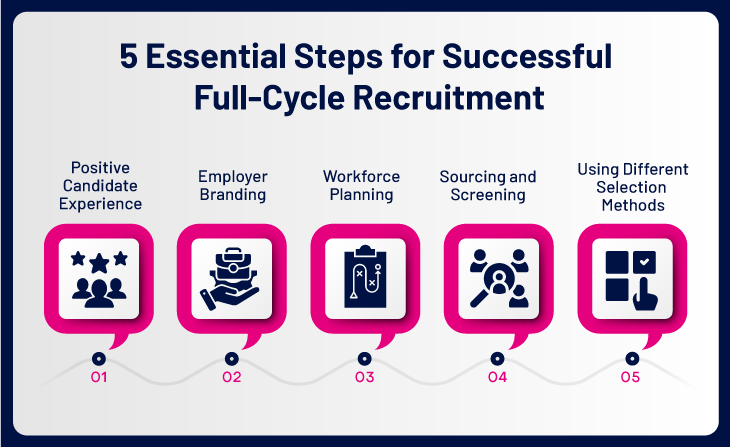
Building a Strong Employer Brand
Building a strong employer brand starts with understanding your organization’s core values. These values should resonate through every aspect of your recruitment efforts.
Showcase what makes your workplace unique. Use authentic stories from current employees to highlight the company culture, benefits, and growth opportunities available.
Visual elements play a crucial role as well. Consistent branding across all platforms creates familiarity and trust among potential candidates.
Don’t overlook the power of social media. Actively engage with audiences by sharing insights into daily life at your organization. This transparency fosters an emotional connection.
Ensure alignment between internal experiences and external messaging. A genuine employer brand not only attracts talent but also retains it by living up to its promises.
Utilizing Different Channels for Recruitment Marketing
In today’s dynamic job market, utilizing various channels for recruitment marketing is essential. Each channel offers unique strengths that can amplify your reach and attract diverse candidates.
Social media stands out as a powerful tool. Platforms like LinkedIn, Facebook, and Instagram allow you to showcase your company culture while connecting with potential hires directly. Tailoring content for each platform enhances engagement.
Job boards remain crucial too. Traditional sites like Indeed or Glassdoor are still effective in reaching active job seekers. Ensure your listings stand out by using compelling language that reflects your brand’s values.
Email campaigns can nurture passive candidates. Personalized communication keeps your organization top-of-mind when they decide to make a career move.
Don’t overlook industry-specific forums and online communities either. Engaging directly where niche talent congregates can lead to more meaningful connections and ultimately successful hires.
The Importance of Data and Analytics in Recruitment Marketing
Data and analytics are game changers in recruitment marketing. They provide insights that help recruiters make informed decisions. By tracking metrics like application rates, source effectiveness, and candidate demographics, organizations can pinpoint what works.
Using data allows companies to tailor their strategies effectively. For instance, if social media campaigns attract more qualified applicants than job boards, resources can be redirected accordingly. This targeted approach enhances efficiency.
Additionally, analytics enable continuous improvement. Regularly assessing data helps teams identify trends over time. Recognizing patterns in candidate behavior can lead to innovative outreach methods.
Moreover, understanding the journey candidates take—from awareness to applying—can shape your messaging strategy. Data-driven insights ensure you speak directly to your audience’s needs and preferences.
Investing time in this area pays off by optimizing recruitment efforts and reducing costs associated with hiring mistakes or long vacancies.
Creating Engaging Content for Candidates
Creating engaging content for candidates is key to standing out in a competitive job market. Start by understanding what potential employees want to know about your company. Highlighting your culture, values, and the unique benefits you offer can make a significant impact.
Use storytelling techniques to bring job descriptions to life. Share real experiences from current employees that illustrate daily life within the organization. This personal touch helps candidates envision themselves as part of your team.
Incorporate various formats like videos, blog posts, or podcasts. Visual content often grabs attention more effectively than text alone. Consider hosting webinars or live Q&A sessions where candidates can interact with hiring managers and learn more about opportunities.
Encourage engagement by asking questions on social media platforms and responding promptly to comments. This interaction builds a connection between potential hires and your brand while making them feel valued even before they apply.
Leveraging Employee Advocacy in Recruitment Marketing
Employee advocacy can significantly enhance your recruitment marketing efforts. When employees share their positive experiences, it provides authentic insights into your company culture.
Encouraging staff to promote job openings through their networks creates a ripple effect. Their personal stories resonate with potential candidates more than traditional marketing methods ever could.
Utilize social media platforms for employee testimonials and behind-the-scenes glimpses of daily life at the company. This transparency builds trust and attracts like-minded individuals who fit seamlessly into your organization’s ethos.
Incentivizing employees to participate in recruitment initiatives fosters a sense of belonging. It empowers them as brand ambassadors while simultaneously expanding your reach to diverse talent pools.
Creating an environment where employees feel valued will naturally encourage them to advocate for the organization. The genuine enthusiasm they display becomes a compelling tool in attracting top-tier candidates who align with your mission and vision.
The Role of Technology in Recruitment Marketing
Technology has become a game-changer in recruitment marketing. It streamlines processes and enhances candidate engagement, making hiring more efficient.
Applicant Tracking Systems (ATS) help manage the flow of resumes effortlessly. These tools allow recruiters to filter candidates based on specific criteria, saving time and resources.
Social media platforms have transformed how companies connect with potential hires. Utilizing targeted ads can reach niche audiences, ensuring you attract the right talent for your organization.
Chatbots add another layer of interaction. They provide instant answers to candidates’ questions, keeping them engaged while freeing up recruiters’ time for strategic tasks.
Moreover, data analytics enables organizations to track the effectiveness of their recruitment campaigns. By analyzing metrics like click-through rates and conversion ratios, businesses can refine their strategies continuously.
Embracing technology not only improves efficiency but also elevates the overall candidate experience throughout the hiring journey.
Measuring the Success of Your Recruitment Marketing Strategy
Measuring the success of your recruitment marketing strategy is essential for continuous improvement. It’s not just about filling vacancies; it’s about attracting the right talent.
Start by tracking key metrics such as application rates, quality of hire, and time-to-fill positions. These figures provide insights into how effective your messaging and channels are.
Engagement levels on social media can also serve as valuable indicators. High engagement suggests that your content resonates with potential candidates.
Candidate feedback adds another layer to measurement. Surveys or direct interviews can reveal what attracted applicants to your organization and their overall experience throughout the hiring process.
Utilizing applicant tracking systems (ATS) allows you to gather data efficiently, providing reports that highlight trends over time. This information enables you to make informed adjustments, enhancing future strategies based on solid evidence rather than guesswork.
Conclusion: Why a Strategic Approach to Recruitment Marketing is Crucial for Hiring
A strategic approach to recruitment marketing is essential for attracting and retaining top talent. The landscape of hiring has evolved, and organizations must adapt their tactics to stand out in a crowded market. By understanding your target audience, you can tailor your messaging effectively.
Building a strong employer brand showcases what makes your organization unique. Engaging content that resonates with potential candidates will enhance interest and engagement. Leveraging different channels ensures you reach diverse audiences, while technology streamlines the process.
Data and analytics play a vital role in refining strategies by offering insights into what’s working and what isn’t. Employee advocacy amplifies your message organically, enhancing credibility among prospects.
An effective recruitment marketing strategy not only fills positions but also fosters a positive perception of your company within the job market. It’s about creating meaningful connections with candidates who align with your values and goals—ensuring long-term success in hiring efforts.