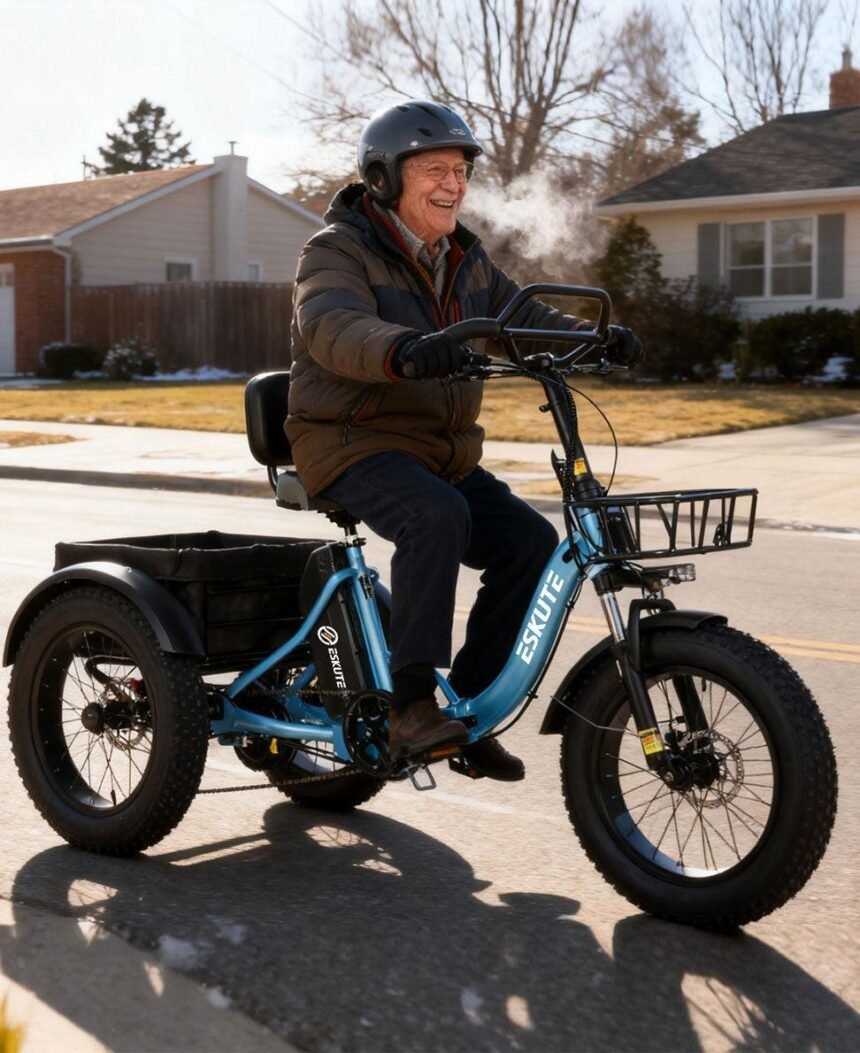
Electric bikes are transforming the way people think about fitness and daily movement. With more riders of all ages and abilities turning to cycling as a health tool, the demand for accessible, confidence-inspiring options has never been higher. Enter the electric three wheel bike — a stable, versatile, and increasingly popular choice that opens the door to active living for people who might otherwise avoid traditional cycling.
But is riding one actually good for your health? Can a motor-assisted tricycle deliver real fitness benefits, or does the electric component simply make things too easy? These are fair questions, especially for health-conscious individuals weighing their options. Whether you’re recovering from an injury, managing a chronic condition, or simply looking for a low-stress way to stay active, the electric three wheel bike may offer more than you expect.
This article explores the genuine health benefits these bikes provide, from cardiovascular gains to mental well-being. We’ll also look at standout models, practical tips for building a sustainable riding routine, and how to overcome common hurdles that keep people from sticking with it.
Understanding Electric Three Wheel Bikes and Their Role in Active Living
An electric three wheel bike, commonly known as an e-trike, combines the mechanical simplicity of a traditional tricycle with a battery-powered motor that assists your pedaling effort. Unlike a standard two-wheel bicycle, it features a third wheel that provides a stable base, eliminating the need to balance while stationary or moving at low speeds. This fundamental difference makes it far more accessible to a broader range of riders, including older adults, people recovering from injuries, and anyone who feels uncertain on a conventional bike.
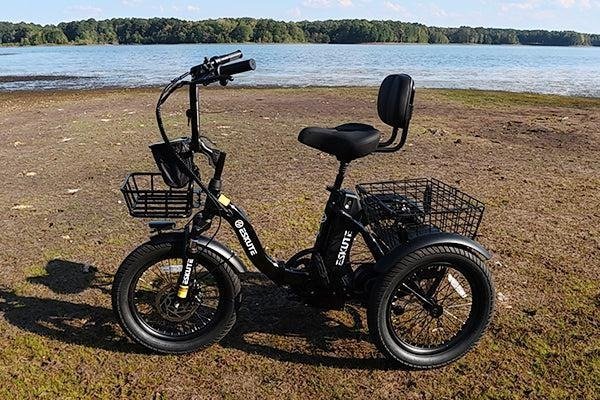
The real appeal for health-conscious individuals lies in how these bikes integrate movement into daily life without demanding peak physical fitness from the start. Pedal-assist technology — the core of most modern e-trikes — senses how hard you’re pedaling and supplements your effort with motor power. You still pedal, you still engage your muscles, and you still elevate your heart rate. The motor simply smooths out the harder moments, like climbing hills or pushing through fatigue, so you can ride longer and more consistently than you might otherwise manage.
This technology also puts control firmly in the rider’s hands. Most systems offer multiple assistance levels, allowing you to dial up the challenge as your fitness improves or reduce it on days when your body needs a gentler session. The result is a deeply customizable workout tool that grows with you rather than demanding a fixed level of ability from day one.
Key Features of Modern Electric Three Wheel Bikes
Today’s electric three wheel bikes come equipped with motors typically ranging from 250W to 750W, paired with batteries offering 40 to 80 miles of range per charge. Brands like ESKUTE prioritize ergonomic design with step-through frames, adjustable handlebars, and cushioned seats — features that directly support comfort during longer, more health-focused rides.
The Health Benefits of Electric Biking: A Deep Dive
The conversation around electric bike benefits often gets derailed by a single misconception: that motor assistance cancels out the physical effort. In reality, research consistently shows that e-bike riders still engage in meaningful exercise. A study published in the International Journal of Environmental Research and Public Health found that e-bike commuters reached moderate-intensity exercise thresholds during regular rides — the same zone recommended for improving cardiovascular health and managing weight. The motor doesn’t replace your effort; it makes consistent effort more achievable.
For the musculoskeletal system, riding an electric three wheel bike delivers genuine strength and endurance work. Your quadriceps, hamstrings, glutes, and calves all fire during each pedal stroke. Because the motion is cyclical and smooth, it builds muscular endurance without the repetitive impact stress that running or high-intensity training places on joints. This makes it particularly valuable for people managing arthritis, recovering from knee surgery, or dealing with lower back discomfort — conditions that often push people away from exercise entirely.
The stability of a three-wheel design adds another layer of benefit. Riders who fear falling on a conventional bike can relax into their workout, focusing on effort and enjoyment rather than balance anxiety. That psychological ease translates into longer rides, more frequent sessions, and ultimately better fitness outcomes over time. Consistency, not intensity, is the engine of long-term health improvement — and e-trikes are exceptionally good at encouraging it.
Cardiovascular and Mental Health Advantages
Regular e-trike use elevates heart rate into aerobic zones that strengthen the heart, improve circulation, and help regulate blood pressure over time. Beyond the physical, cycling triggers the release of endorphins and reduces cortisol levels, making it an effective tool for managing stress, anxiety, and mild depression. Studies on outdoor exercise show additional mood benefits tied to fresh air and natural environments — benefits every e-trike rider naturally absorbs during each session.
Low-Impact Exercise for Long-Term Fitness
What makes the electric three wheel bike especially compelling for long-term health is its joint-friendly nature. Unlike running, which generates ground reaction forces several times your body weight, cycling distributes load through the saddle, pedals, and handlebars with minimal joint compression. For older adults, individuals with osteoporosis, or anyone easing back into activity after a sedentary period, this low-impact quality means exercise can continue regularly without risking the overuse injuries that derail so many fitness efforts.
How the Best E-bikes Support Your Fitness Journey
Choosing the right e-trike can make or break your commitment to an active lifestyle. Not all models are built with health outcomes in mind, and the differences between a well-designed fitness-focused e-trike and a basic commuter model become obvious once you’re riding regularly. ESKUTE e-bikes have earned recognition among health-conscious riders for combining practical engineering with rider comfort — a pairing that directly influences how often and how effectively you can use your bike as a fitness tool.
What sets health-oriented e-trikes apart is the thoughtfulness behind their adjustability. Some models offer multiple pedal-assist levels that allow riders to modulate workout intensity with precision. On days when you’re targeting cardiovascular improvement, you can reduce motor assistance and push harder. On recovery days or when managing fatigue from a health condition, you can lean on higher assistance to keep moving without overexerting. This flexibility is something a standard bicycle simply cannot offer.
When comparing the best e-bikes for fitness purposes, durability and frame geometry matter as much as motor specs. A bike that causes discomfort after 20 minutes actively discourages regular use. Look for models with upright riding positions that reduce strain on the lower back and neck, wide cushioned saddles that support longer sessions, and responsive braking systems that build rider confidence. Battery range is equally critical — a system capable of 40 to 60 miles per charge ensures you’re never cutting a ride short due to power anxiety.
Evaluating Features for Optimal Health Outcomes
Prioritize adjustable handlebars and seat height for proper biomechanical alignment, a torque-sensing pedal-assist system for natural-feeling effort, and a rear cargo rack if you plan to combine errands with exercise — turning practical trips into consistent daily movement without requiring dedicated workout time.
Practical Steps to Maximize Health Benefits with an Electric Three Wheel Bike
Owning an electric three wheel bike is only the starting point. How you use it determines whether it becomes a genuine health tool or an expensive piece of equipment gathering dust. The good news is that building an effective riding routine doesn’t require a structured training background or a rigid schedule — it requires intention and a few practical strategies applied consistently.
Start by defining what health means to you in this context. Are you aiming to improve cardiovascular endurance, manage weight, rebuild strength after an injury, or simply move more throughout the week? Your goal shapes everything from how long you ride to which pedal-assist level you select. Vague intentions like “get healthier” rarely sustain momentum; a specific target like “ride 20 minutes three times per week” gives you something measurable to build on.
Next, weave riding into activities you’re already doing. Commuting to a nearby store, visiting a friend, or exploring a local trail on a Saturday morning all count as exercise without requiring you to carve out dedicated workout time. This integration approach dramatically improves consistency because the ride serves a purpose beyond fitness alone. Use lower assist levels during these trips to ensure your body is genuinely working, and reserve higher assist for days when fatigue or recovery demands it.
Tracking your progress — even informally — reinforces the habit. Note your ride duration, distance, or simply how you felt afterward. Gradual improvements in stamina and energy levels become visible over weeks, and that visibility is motivating.
Step-by-Step Guide to Starting Your Electric Biking Routine
Begin week one with two to three short rides of 15 to 20 minutes using moderate assist, focusing on comfort and consistency rather than effort. In weeks two and three, extend ride duration by five minutes and reduce assist by one level to gradually increase physical demand. By week four, introduce one longer ride per week — 30 to 45 minutes — while maintaining shorter sessions on other days. Pair your routine with adequate hydration, post-ride stretching targeting the hips and quadriceps, and sufficient sleep to allow your body to adapt and strengthen between sessions.
Overcoming Common Barriers and Tips for Sustainable Use
Even the most motivated riders encounter obstacles that threaten to derail their routine. Cost is often the first concern — quality e-trikes represent a meaningful investment, but when measured against gym memberships, physical therapy costs, or the long-term expense of inactivity-related health conditions, the value proposition shifts considerably. Many manufacturers offer financing options that spread the cost over time, making entry more accessible without requiring a large upfront commitment.
Maintenance anxiety stops some potential riders before they even start. In practice, electric three wheel bikes require less upkeep than many assume. Keeping tires properly inflated, charging the battery regularly, and wiping down the drivetrain after muddy rides covers the majority of routine care. Most issues that do arise — brake adjustments, gear tuning — are straightforward jobs for any local bike shop. Building a relationship with a nearby mechanic early removes this barrier entirely.
Motivation tends to fade when riding feels like an obligation rather than an activity you genuinely enjoy. The most effective antidote is variety. Rotate your routes, invite a friend or family member to join occasionally, or set small milestone goals — a new neighborhood explored, a personal distance record — to keep engagement fresh. Joining a local e-bike group or online community also provides accountability and shared enthusiasm that sustains momentum through low-energy periods. Ultimately, the electric three wheel bike’s greatest advantage for long-term health is that it makes consistent movement genuinely enjoyable, turning exercise from something you force yourself to do into something you look forward to.
Why the Electric Three Wheel Bike Is a Smart Investment in Your Health
The evidence is clear: an electric three wheel bike is far more than a convenience device. It’s a legitimate health tool that delivers cardiovascular conditioning, muscular engagement, and mental well-being benefits — all within a format accessible to people who might otherwise struggle to exercise consistently. The motor assistance doesn’t diminish the effort; it makes sustained effort possible for a far wider range of individuals.
For health-conscious riders, the combination of stability, adjustability, and low-impact movement addresses many of the barriers that derail traditional fitness routines. Whether you’re managing a chronic condition, rebuilding fitness after a long sedentary period, or simply seeking a more enjoyable way to stay active, the electric three wheel bike meets you where you are and grows with you over time.
Models from brands like ESKUTE demonstrate that thoughtful engineering and rider-focused design can meaningfully enhance health outcomes — not just make riding easier. The key is committing to consistent use, setting realistic goals, and allowing the experience to evolve naturally as your fitness improves.
If you’ve been searching for a sustainable, enjoyable path to better health, the electric three wheel bike deserves serious consideration. The long-term benefits — stronger cardiovascular function, improved mobility, reduced stress, and greater daily activity — compound quietly over months and years, making it one of the most practical investments you can make in your own well-being.