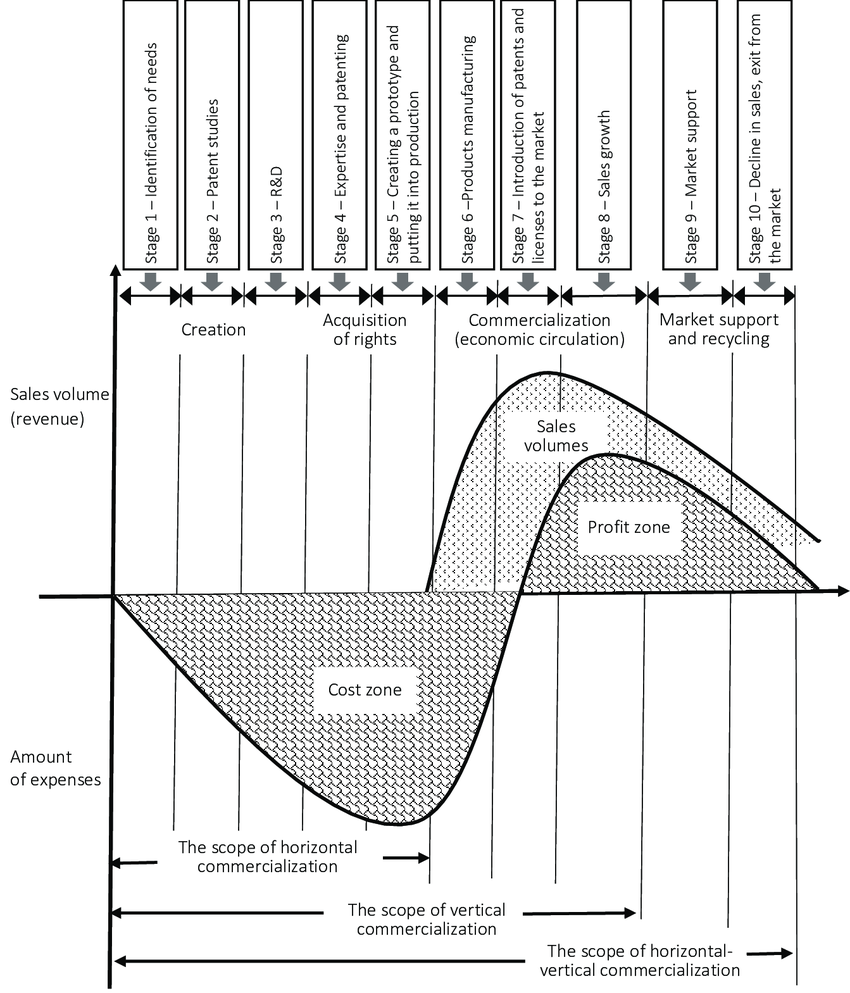
Intellectual property is a buzzword in today’s innovation-driven world, yet many people overlook its significance. Whether you’re an entrepreneur, artist, or inventor, understanding the intellectual property life cycle can be your ticket to safeguarding and maximizing your creative ideas. From conception to commercialization, every step matters. This journey not only protects your work but also enhances its value.
So what exactly does this life cycle entail? Let’s dive deep into the stages that shape the fate of your intellectual creations and explore how they play a crucial role in turning ideas into assets. Understanding this process will empower you to navigate challenges effectively while unlocking new opportunities for growth and success.
What is Intellectual Property?
Intellectual property (IP) refers to the creations of the mind. This includes inventions, literary and artistic works, designs, symbols, names, and images used in commerce.
At its core, IP is all about ownership. Just as physical property can be bought or sold, intellectual property allows creators to control how their ideas are used by others. It encourages innovation by providing legal protections that reward inventiveness.
There are various types of intellectual property rights: patents protect inventions; copyrights safeguard creative expressions; trademarks distinguish brands; and trade secrets keep business information confidential.
In a digital age where content is easily shared and replicated, understanding intellectual property becomes essential for both individuals and businesses alike. It ensures that original ideas receive the recognition—and compensation—they deserve while fostering a culture of creativity and progress.
Understanding the Life Cycle of Intellectual Property
The intellectual property life cycle is a dynamic journey that every creative idea embarks upon. It reflects the transformation of an original thought into something tangible and valuable.
Understanding this life cycle can empower creators and businesses alike. Each stage plays a crucial role in ensuring that ideas are protected, developed, and monetized effectively.
From inception to enforcement, the process encompasses numerous phases. These include creation, protection through legal means, commercialization strategies, maintenance efforts, and defense against infringement.
Navigating this intricate landscape is essential for maximizing the potential of your intellectual assets. Awareness of each step allows innovators to safeguard their work while also reaping rewards from its use in the marketplace. Knowing what lies ahead can help streamline efforts throughout this vital journey.
Stage 1: Creation and Development
The journey of intellectual property begins with the spark of an idea. This initial phase is all about creation and development, where innovation takes shape.
Inventors, artists, and creators immerse themselves in their work. They brainstorm, sketch, write, or build—transforming abstract thoughts into tangible expressions.
During this stage, it’s crucial to document every aspect of the creative process. Keeping records can help establish ownership and protect against future disputes.
Collaboration often plays a key role too. Engaging with others for feedback can enhance ideas and lead to stronger outcomes.
As concepts evolve from mere ideas to structured formats like designs or drafts, thoughtful consideration is essential. This lays the groundwork for what comes next in the intellectual property life cycle—a pivotal step that determines how well these creations will be protected later on.
Stage 2: Protection and Registration
Once you’ve created your intellectual property, the next crucial step is its protection and registration. This phase safeguards your innovations from unauthorized use or infringement.
Registering a trademark, copyright, or patent gives you legal ownership. It also enhances your credibility in the marketplace. Without proper registration, anyone could claim your work as their own.
Different types of intellectual property require distinct processes for protection. For instance, trademarks need to be registered with specific governmental bodies while copyrights are often secured upon creation but can benefit from formal registration.
Doing this not only establishes clear rights but also serves as public notice of ownership. The more robust your protections are, the less likely others will attempt to exploit your creations without permission. Investing time and resources in this stage is essential for long-term success in any industry.
Stage 3: Commercialization and Exploitation
Commercialization and exploitation are pivotal in the intellectual property life cycle. This stage is where ideas transform into tangible products, services, or brands that can generate revenue.
Successful commercialization requires a deep understanding of the target market. Identifying your audience’s needs allows for tailored solutions that resonate with potential customers.
Licensing agreements often play a significant role here. They enable IP owners to grant others permission to use their creations while receiving royalties in return.
Moreover, strategic partnerships can amplify reach and enhance visibility. Collaborating with established players in your industry can provide valuable resources and networks.
Marketing strategies also become crucial during this phase. Effective branding helps create an emotional connection with consumers, driving demand for innovative offerings.
Navigating this stage demands agility and keen business acumen to adapt quickly to market changes and consumer feedback.
Stage 4: Maintenance and Renewal
Maintenance and renewal of intellectual property (IP) rights are critical for long-term protection. This stage ensures that your creations remain safeguarded against unauthorized use or infringement.
Regular monitoring is essential during this phase. Keep an eye on the market for any potential violations of your IP rights. Timely action can help you defend your assets effectively.
Renewal deadlines vary based on the type of IP—trademarks, copyrights, patents—all have specific timelines requiring attention. Missing these dates could result in losing valuable protections.
Engaging with legal experts can provide clarity around maintenance requirements and renewal processes. They can offer insights tailored to your needs, ensuring no detail slips through the cracks.
Investing time and resources into maintaining your intellectual property not only protects what you’ve created but also enhances its market value over time.
Stage 5: Enforcement and Defense
Enforcement and defense are critical stages in the intellectual property life cycle. At this point, it’s essential to guard your creations against infringement actively.
Monitoring potential violations is key. This may involve regular checks of the market for any unauthorized use of your intellectual property. Swift action can deter infringers and signal that you take your rights seriously.
If infringement occurs, legal avenues must be pursued. Sending cease-and-desist letters is often the first step. It serves as a warning before escalating matters to litigation if necessary.
Building strong relationships with legal professionals specializing in IP law can provide crucial support during disputes. Their expertise ensures you’re well-prepared to defend your rights effectively.
Remember, enforcing intellectual property not only protects your assets but also upholds the value associated with them in the marketplace.
Challenges and Risks in the Intellectual Property Life Cycle
Navigating the intellectual property life cycle comes with its own set of challenges and risks. One significant concern is the ever-evolving landscape of laws and regulations. Keeping up with changes can be daunting for creators and businesses alike.
Another risk lies in potential infringements. As your intellectual property gains visibility, so does the chance it may be copied or misused by others. This can lead to costly legal disputes that drain resources.
Additionally, international markets present their own complexities. Different countries have varied IP laws, which complicates protection efforts abroad.
Moreover, there’s often a lack of awareness about the value of maintaining intellectual assets over time. Neglecting this aspect could result in diminished worth or even loss of rights altogether.
Competition is fierce; staying ahead requires continuous innovation and vigilance against emerging threats to your IP portfolio.
Maximizing the Value of Your Intellectual Property
Maximizing the value of your intellectual property requires a strategic approach. Start by refining your IP portfolio. Identify which assets hold the most potential and focus on those.
Licensing can be an effective way to generate revenue without diluting ownership. Consider partnerships with businesses that complement your offerings, allowing for mutual growth.
Engaging in regular market analysis adds another layer of insight. Stay updated on industry trends to align your innovations with consumer demand.
Don’t overlook education and training within your organization. Empowering employees to understand IP rights fosters innovation while protecting company interests.
Always seek legal advice when navigating complex agreements or disputes. A well-informed strategy not only enhances asset value but also safeguards against missteps that could diminish it over time.
Conclusion
The intellectual property life cycle is a crucial framework for understanding how to manage and maximize the value of your creations. From the initial spark of an idea to its commercialization, protection, and eventual enforcement, each stage plays a vital role in safeguarding your innovations.
Navigating this landscape can be challenging but also rewarding. By grasping each phase—creation, protection, exploitation, maintenance, and defense—you empower yourself with knowledge that drives success. Addressing challenges proactively ensures you remain ahead in protecting your valuable assets.
The journey through the intellectual property life cycle offers numerous opportunities for growth and profit. Embracing these stages strategically will not only safeguard your ideas but also unlock their full potential in today’s competitive market. Whether you’re an entrepreneur or an established business owner, understanding this process is key to thriving in any industry where innovation reigns supreme.