Introduction
When it comes to creating a comfortable and energy-efficient home, one often overlooked area is the concrete floor. Many homeowners don’t realize that insulating their concrete floors can lead to significant benefits. Picture this: warm feet on chilly mornings, reduced energy bills, and a quieter living space. Sounds enticing, right? Insulating concrete floors not only enhances comfort but also boosts your home’s overall efficiency.
As we explore the ins and outs of insulating concrete floors, you’ll discover how easy it can be to elevate your home’s comfort level while saving money in the long run. Let’s dig deeper into why this investment could be one of your best decisions for a cozy living environment!
Benefits of Insulating Concrete Floors
Insulating concrete floors offers a range of benefits that can greatly enhance any living space. One of the most notable advantages is improved energy efficiency. By preventing heat loss, insulated floors help maintain a comfortable temperature, reducing heating costs during colder months.
Additionally, these floors contribute to enhanced comfort levels. Walking on warm surfaces feels inviting and cozy, especially in areas like basements or garages where temperatures can drop significantly.
Sound insulation is another crucial benefit. Insulated concrete provides effective noise reduction between rooms or from outside disturbances, creating a peaceful environment for relaxation and productivity.
Insulating your concrete floor can lead to increased property value. Homebuyers often appreciate the long-term savings and comfort associated with well-insulated spaces, making it an attractive feature in real estate markets.
Types of Insulation for Concrete Floors
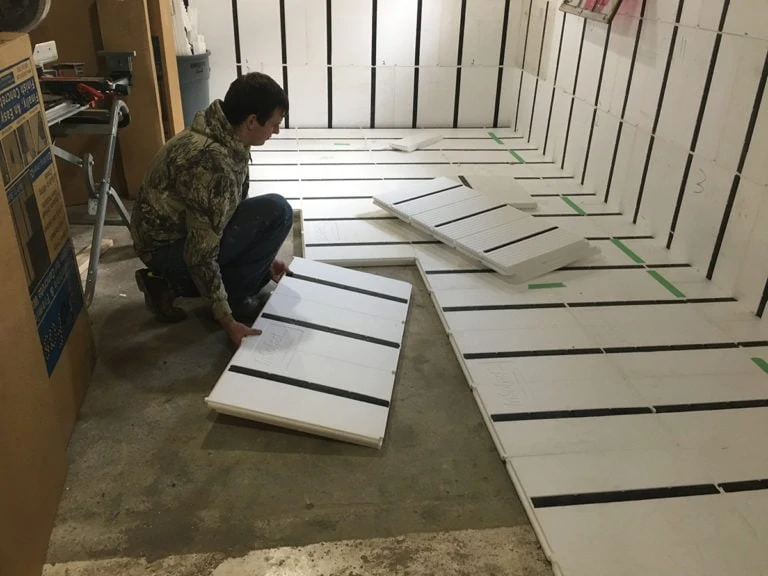
When considering insulation for concrete floors, several types stand out. Rigid foam boards are a popular choice. They offer excellent thermal resistance and can be easily cut to fit any space.
Another option is spray foam insulation. This method fills gaps and creates an airtight seal, providing both thermal and sound insulation. It’s effective but may require professional installation.
Fiberglass batts also serve as an alternative. While less common for concrete floors, they can work well in certain situations where moisture isn’t a concern.
Reflective or radiant barrier insulation reflects heat away from the floor surface, making it suitable for warmer climates. Each type has unique benefits tailored to different needs and environments, so evaluating your specific situation is crucial before making a decision.
How to Choose the Right Insulation for Your Concrete Floor
Choosing the right insulation for your concrete floor requires a bit of research. Start by evaluating the specific needs of your space. Consider factors like climate, purpose of the room, and existing flooring.
Next, think about R-value. This measures thermal resistance; higher values mean better insulation performance. Look for materials that offer optimal R-values suited to your region’s temperature fluctuations.
Don’t overlook moisture resistance, especially in basements or areas prone to dampness. Insulation that prevents mold growth is essential for maintaining air quality.
Consider installation ease and cost-effectiveness. Some materials are more DIY-friendly than others. Weigh these aspects against budget constraints to find an option that fits both your goals and financial plan seamlessly.
Steps to Insulate a Concrete Floor
Before you start, gather the necessary materials. You’ll need insulation boards, a vapor barrier, adhesive or tape, and tools like a utility knife.
Begin by clearing the area. Remove any furniture or debris from the floor. This step is crucial for an effective installation.
Next, check for moisture issues. If your concrete floors are prone to dampness, addressing this before insulation is vital.
Lay down a vapor barrier across the entire surface of the concrete. This will help protect against moisture seeping through.
Place your chosen insulation boards on top of the barrier. Fit them snugly together without leaving gaps that could compromise efficiency.
Secure each board with adhesive or tape to ensure they stay in place during use.
Cover everything with your desired flooring material—be it laminate, tile, or carpet—to complete your insulating project effectively.
Cost and Savings of Insulating a Concrete Floor
Insulating a concrete floor can feel like a significant investment at first. However, the long-term savings often outweigh the initial costs. Many homeowners see reductions in energy bills as their heating and cooling systems work more efficiently.
By retaining heat during winter months, insulated floors create a cozy living environment. This not only enhances comfort but also decreases reliance on heating systems.
Additionally, insulation helps prevent moisture problems that could lead to costly repairs down the line. A well-insulated concrete floor reduces risks associated with mold growth and structural damage.
When considering the overall value of insulating your concrete flooring, think about increased property value too. Potential buyers are often attracted to homes with improved energy efficiency features, making it an appealing upgrade for future resale opportunities.
Common Mistakes to Avoid when Insulating a Concrete Floor
Many homeowners underestimate the importance of proper moisture control. Ignoring this can lead to mold growth and damage beneath the insulation. Always assess your area’s humidity levels before installing.
Another common mistake is choosing the wrong type of insulation. Not all materials are suitable for concrete floors, so research options like rigid foam or spray foam that provide adequate thermal resistance.
Skipping a vapor barrier is another pitfall you want to avoid. This layer protects against moisture seeping up from the ground, which could compromise your insulation’s effectiveness over time.
Improper installation techniques can also derail your project. Gaps in insulation will create cold spots and reduce energy efficiency significantly.
Overlooking local building codes may lead to compliance issues down the line. Make sure you’re aware of regulations specific to insulating concrete floors in your area before moving forward with any plans.
Conclusion
Insulating a concrete floor can transform your living space, making it more comfortable and energy-efficient. The benefits are clear: improved temperature regulation, reduced noise transmission, and lower energy bills. With various types of insulation available, choosing the right one is essential to optimize performance.
Proper installation is key to reaping these advantages, so following the correct steps while also avoiding common pitfalls will ensure success in your project. Taking into account both costs and potential savings enhances the appeal of this home improvement endeavor.
With careful planning and execution, insulating your concrete floors can lead to lasting comfort and efficiency in your home environment. Embrace this opportunity for enhanced livability by investing wisely in insulation solutions that best fit your needs.