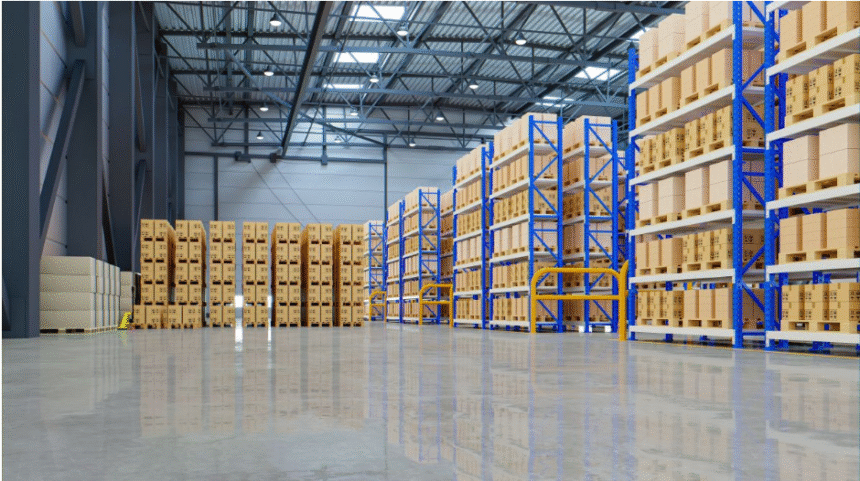
Warehouse managers know that success lives in the details. Every square foot of space, every efficiency gained, and every cost saved contributes to the bottom line. Yet one critical element often gets overlooked until problems arise: the floor beneath everything else.
Warehouse floor coating has emerged as a strategic investment that delivers measurable returns through enhanced durability, improved safety, and reduced operational costs. Smart facility managers are discovering that the right flooring solution doesn’t just protect concrete—it transforms how efficiently their warehouses operate.
Modern coating technologies offer solutions tailored specifically to the unique demands of warehouse environments, from heavy forklift traffic to chemical spills and temperature fluctuations. Understanding these options helps managers make informed decisions that support long-term operational goals.
The Warehouse Floor Challenge
Warehouse floors endure punishment that would destroy most surfaces. Forklifts create point loads exceeding 15,000 pounds per square inch at the wheel contact points. Pallet jacks scrape across surfaces thousands of times daily. Spills from hydraulic fluid, cleaning chemicals, and stored products create corrosive conditions.
Unprotected concrete develops cracks, chips, and surface deterioration that creates operational headaches. Dust generation from deteriorating concrete contaminates inventory and clogs HVAC systems. Uneven surfaces damage equipment wheels and create safety hazards for workers and machinery.
These problems compound over time. Small cracks allow moisture penetration that leads to larger structural issues. Surface roughness makes cleaning more difficult and time-consuming. Eventually, damaged floors require expensive repairs or complete replacement, which disrupts operations.
Performance Benefits That Drive ROI
Enhanced Load Distribution
Quality warehouse floor coating systems create a monolithic surface that distributes heavy loads across a wider area than bare concrete. This load distribution reduces point-load stress that causes cracking and surface failure. The result is extended floor life even under intensive use.
The seamless nature of properly applied coatings eliminates joints where stress concentrates. Traditional concrete floors have control joints every 15-20 feet that create weak points. Coated floors bridge these joints, creating uniform load-bearing capacity across the entire surface.
Chemical and Moisture Resistance
Warehouses face diverse chemical exposures from stored products, cleaning agents, and equipment fluids. Battery acid from forklifts, hydraulic fluid leaks, and aggressive cleaning chemicals can penetrate and damage unprotected concrete within months.
Modern warehouse floor coating formulations provide excellent chemical resistance. Epoxy-based systems resist most common warehouse chemicals, while specialized polyurethane and polyaspartic coatings handle more aggressive exposures. This chemical barrier prevents costly concrete damage and extends floor life significantly.
Improved Light Reflectance
High-quality warehouse floor coatings can increase light reflectance by 200-300% compared to bare concrete. This dramatic improvement reduces lighting costs in large facilities while creating a brighter, safer work environment. Better visibility improves worker productivity and reduces accidents.
The light-colored, glossy surface of professional coatings maintains its reflective properties over time. Unlike paint that fades and dulls, quality industrial coatings retain their appearance and light-reflecting benefits for years.
Safety and Compliance Advantages
Slip Resistance Options
Warehouse environments present varied slip hazards from water, oils, and cleaning chemicals. Modern coating systems offer customizable slip resistance through aggregate additives or textured finishes. These options maintain traction without creating surfaces that are difficult to clean.
Non-slip coatings reduce worker compensation claims and insurance costs while demonstrating commitment to workplace safety. Many systems can be customized to meet specific OSHA requirements for different areas within the same facility.
Visual Safety Enhancement
Bright, uniform warehouse floor coating surfaces improve visibility of potential hazards, spills, and dropped objects. The enhanced contrast helps workers identify problems quickly, reducing accident risk. Colored coatings can designate traffic patterns, safety zones, and equipment areas for improved organization.
Line striping and zone marking integrate seamlessly with coated floors, creating clear visual guidance that improves traffic flow and reduces collisions between pedestrians and equipment.
Maintenance Efficiency Gains
Simplified Cleaning Protocols
Sealed warehouse floor coating surfaces resist dirt penetration and make cleaning significantly easier. Dust mopping removes surface debris effectively, while periodic damp mopping maintains cleanliness. The non-porous surface prevents staining and eliminates the need for aggressive scrubbing.
Cleaning time reductions of 50-70% are common after installing quality warehouse floor coatings. This translates to direct labor savings and allows maintenance staff to focus on other facility needs.
Reduced Dust Generation
Properly sealed concrete floors eliminate dust generation that contaminates inventory and equipment. This is particularly important for food storage, pharmaceuticals, and electronics warehouses where contamination control is critical.
Reduced dust also extends HVAC filter life and improves air quality for workers. The health benefits and equipment protection provided by dust control create additional value beyond the obvious cleaning advantages.
Long-Term Cost Considerations
Extended Asset Life
Professional warehouse floor coating systems typically provide 10-20 years of service life compared to 3-5 years for basic paint or sealers. This extended performance reduces the frequency of major floor renovations and associated downtime costs.
The protective barrier created by quality coatings prevents concrete deterioration that leads to expensive structural repairs. Preventing damage is always more cost-effective than repairing it after the fact.
Operational Continuity
Quality coatings resist damage from normal warehouse operations, reducing the need for emergency repairs that disrupt productivity. Fast-cure coating systems can often be applied during normal maintenance windows, minimizing operational impact.
The durability of professional systems means fewer floor-related equipment delays and worker safety incidents. This operational reliability has significant value that’s difficult to quantify but easy to appreciate.
System Selection for Warehouse Applications
Different warehouse environments require different coating approaches. Cold storage facilities need systems that remain flexible at low temperatures. Food warehouses require FDA-approved materials with antimicrobial properties. Chemical storage areas need specialized chemical resistance.
Working with experienced industrial coating contractors ensures proper system selection. These professionals understand the specific requirements of warehouse environments and can recommend solutions that provide optimal performance for your specific application.
Surface preparation quality determines coating performance and longevity. Professional contractors use mechanical preparation methods that create the surface profile necessary for optimal adhesion and long-term durability.
The Strategic Investment Decision
Warehouse floor coating serves as a strategic investment in operational efficiency and asset protection. The combination of immediate performance benefits and long-term cost savings creates compelling value for warehouse operators focused on sustainable profitability.
The decision isn’t whether to invest in floor protection, but which system will provide the best return on investment for your specific application. Proper planning and professional installation ensure maximum benefit from this critical infrastructure investment.