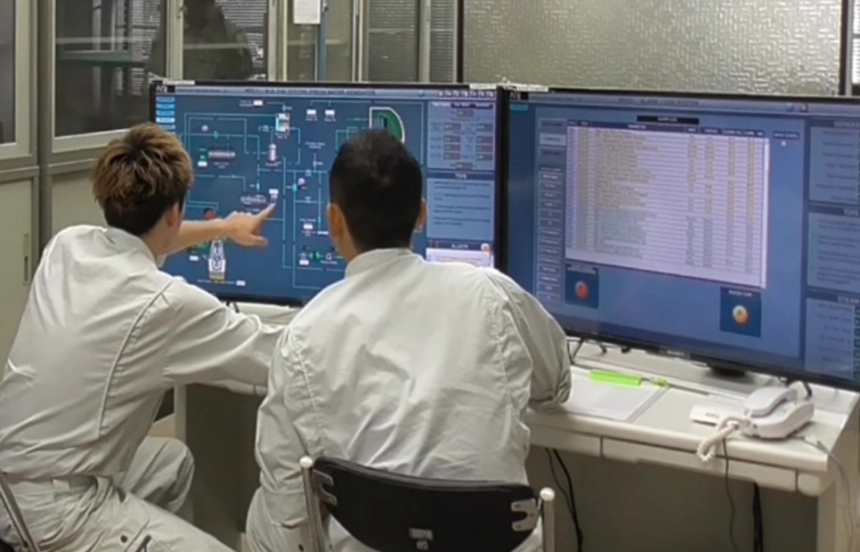
The engine room of a ship is often likened to its beating heart, powering the vessel and ensuring smooth sailing across vast oceans. Yet, like any complex system, it requires diligent management to function effectively. This is where Engine Room Resource Management (ERRM) comes into play—a critical aspect that not only enhances safety but also boosts operational efficiency.
As maritime operations become increasingly intricate, optimizing ERRM processes has never been more vital. Whether you’re an experienced engineer or new to the field, understanding how to streamline these processes can lead to significant improvements in both performance and safety aboard ships. Let’s embark on this journey together as we explore practical strategies for enhancing your ERRM practices.
Understanding Engine Room Resource Management (ERRM)
Engine Room Resource Management (ERRM) is the structured approach to managing resources within a ship’s engine room. It encompasses everything from personnel, equipment, and materials to operational procedures.
At its core, ERRM aims to ensure that all resources are utilized effectively. This means optimizing both human and mechanical inputs for peak performance. A well-managed engine room can significantly reduce the risk of accidents and improve overall efficiency.
Understanding ERRM requires awareness of various elements such as teamwork, communication, and decision-making processes. Each component plays a crucial role in maintaining smooth operations.
Effective ERRM also involves regular assessments and adjustments based on real-time data. Monitoring performance indicators ensures that any issues can be swiftly addressed before they escalate into major problems.
Fostering a culture of continuous improvement helps teams adapt to changing conditions while maximizing safety and productivity in this critical area of maritime operation.
The Importance of ERRM for Ship Safety and Efficiency
Effective Engine Room Resource Management (ERRM) is vital for ensuring ship safety and operational efficiency. A well-managed engine room minimizes the risks of accidents and equipment failures, which can have devastating consequences at sea.
When resources are optimized, crews can respond faster to emergencies. This readiness not only protects lives but also safeguards valuable cargo. Moreover, efficient resource allocation leads to reduced fuel consumption, translating into significant cost savings over time.
The importance of ERRM extends beyond immediate safety concerns. It contributes to compliance with international maritime regulations and environmental standards. Ships that adhere to these guidelines foster a positive reputation in the industry.
Investing in ERRM practices ultimately enhances overall performance. When crew members understand their roles within an optimized framework, they work more cohesively. This synergy creates a safer environment where efficiency thrives alongside reliability.
Common Challenges in ERRM
Engine Room Resource Management faces several hurdles that can impede operational efficiency.
One significant challenge is the lack of standardization. Different vessels often employ varied procedures and systems, which complicates training and resource allocation. This inconsistency can lead to confusion among crew members.
Communication barriers also pose a problem. Misunderstandings between departments or shifts may result in critical information being overlooked, leading to inefficient operations or even safety risks.
Additionally, human factors play a crucial role. Stress and fatigue can affect decision-making abilities, ultimately impacting the effectiveness of ERRM processes.
Budget constraints frequently limit the ability to implement state-of-the-art technologies necessary for optimizing resource management. Without proper investment in tools and training, achieving high efficiency remains an uphill battle.
Best Practices for Optimizing ERRM Processes
To optimize Engine Room Resource Management processes, start by establishing clear communication channels among crew members. This ensures that everyone is on the same page regarding tasks and responsibilities.
Next, implement a structured documentation system. Accurate records of equipment maintenance schedules and resource usage can significantly enhance efficiency. Having this information readily available allows for informed decision-making.
Regular audits are crucial as well. Conducting routine assessments helps identify bottlenecks or areas needing improvement within your ERRM practices.
Encouraging a culture of collaboration can also lead to better resource management. When team members feel empowered to share insights or suggest improvements, they contribute positively to overall operational efficiency.
Set performance metrics to measure success continuously. By tracking specific indicators related to ERRM processes, you gain valuable feedback that drives ongoing enhancements.
Training and Education for Effective ERRM
Training and education are pivotal in enhancing Engine Room Resource Management (ERRM). Crew members must understand their roles and responsibilities deeply. This knowledge empowers them to make informed decisions, especially under pressure.
Regular training sessions should focus on hands-on experiences. Simulators can mimic real-life scenarios, allowing crew members to practice without risk. Such immersive learning fosters confidence and competence.
Additionally, ongoing education keeps the team updated with industry standards and technological advancements. Workshops or e-learning modules can bridge gaps in knowledge effectively.
Mentorship programs also play a crucial role. Pairing experienced personnel with newcomers accelerates skill development while promoting a culture of shared learning.
Investing in comprehensive training is not just beneficial; it’s essential for operational excellence within the engine room environment. A well-trained crew ultimately enhances safety and efficiency across all operations associated with ERRM processes.
Technological Advancements in ERRM
Technological advancements are revolutionizing Engine Room Resource Management (ERRM). Innovations in automation and real-time data analytics play a crucial role in optimizing operations.
Engineers can now monitor systems remotely, allowing for quick decision-making and troubleshooting. This reduces downtime and enhances overall safety on board.
Artificial intelligence is also making waves. Predictive maintenance tools can forecast equipment failures before they happen, saving both time and costs.
Digital twins simulate engine room scenarios, helping crews train effectively without risks associated with real-world practice.
Additionally, cloud-based solutions streamline communication between crew members and shore-side management. Information sharing has never been more efficient or effective.
With these technologies at their fingertips, maritime professionals can ensure that resource management processes are not only optimized but also adaptive to the dynamic nature of marine environments.
Conclusion
Engine Room Resource Management (ERRM) is crucial for the smooth operation of any vessel. By optimizing ERRM processes, ship operators can enhance safety and efficiency while minimizing costs. Understanding the intricacies of ERRM helps address common challenges faced in maritime operations.
Implementing best practices such as regular audits, effective communication among crew members, and utilizing advanced technologies can significantly streamline these processes. Training and continuous education play a vital role in preparing teams to handle various scenarios proficiently.
As technology evolves, so does its integration into ERRM strategies. Embracing innovations not only aids in resource management but also contributes to overall operational excellence.
Adopting a comprehensive approach to optimize Engine Room Resource Management Processes leads to safer voyages and increased efficacy on board vessels. The future of maritime operations relies heavily on how well we manage our resources within engine rooms today.