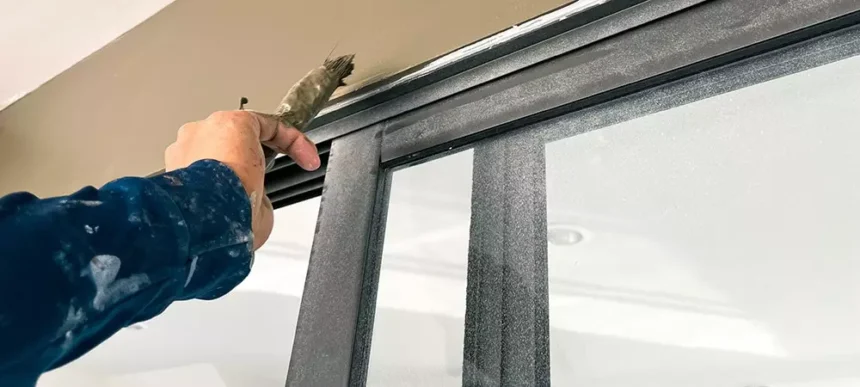
Introduction to caulking and painting
When tackling a DIY project, the question often arises: should I caulk or paint first? This seemingly simple decision can significantly impact the outcome of your work. Whether you’re freshening up a room or giving your home’s exterior a facelift, understanding the proper order is crucial for achieving professional-looking results. Caulking and painting serve different purposes but play complementary roles in enhancing both aesthetics and functionality. So how do you decide which to prioritize? Let’s dive into this essential aspect of home improvement projects!
Importance of proper preparation before starting a project
Proper preparation sets the stage for a successful project. Skipping this vital step can lead to complications down the line.
Before you dive into caulking or painting, take time to assess your surfaces. Clean them thoroughly and ensure they’re dry. Dust, dirt, and moisture can ruin your finish.
Gathering the right tools is equally crucial. Whether it’s brushes, rollers, or caulk guns, having everything at hand streamlines the process.
Consider lighting conditions as well. Natural light can reveal imperfections that artificial lights might miss.
Safety should never be overlooked. Wear protective gear like masks and goggles if needed. A little planning saves you from headaches later on and ensures a professional-looking result every time!
Understanding the difference between caulking and painting
Caulking and painting serve different purposes in home improvement projects. Caulk is primarily a sealant, used to fill gaps and cracks. It creates a barrier against moisture, dust, and air leaks.
On the other hand, paint adds color and protection to surfaces. It enhances aesthetics while providing a layer of defense against wear and tear.
The texture also differs. Caulk is usually smoother when applied but can be painted over once cured. Paint comes in various finishes—matte, glossy, or satin—allowing for creativity in design.
Understanding these distinctions helps determine the right order for your project. Knowing when to caulk versus paint can save time and ensure lasting results. Proper application techniques are essential regardless of which you choose first; both require attention to detail for optimal performance.
When to caulk first:
When tackling a home improvement project, knowing when to caulk first can save time and improve results. If you spot gaps or cracks in your walls or trim, caulking should come first. This seals the spaces and creates a smooth surface for painting later.
For exterior projects, start with caulking as well. Outdoor elements can cause wear over time, leading to cracks that allow moisture in. Properly sealing these areas prevents damage before you even think about paint.
Caulking also helps achieve clean lines around windows and doors. When done correctly, it reduces the risk of paint bleeding into those cracks. Taking this step ensures a polished finish that enhances your home’s appearance.
Before diving into painting, prioritize addressing any imperfections through caulking for lasting durability and quality aesthetics.
– Gaps and cracks in walls or trim
Gaps and cracks can be more than just cosmetic issues. They often signal underlying problems that need attention. Whether you’re dealing with walls or trim, these imperfections can affect the overall look of your space.
When it comes to treating gaps and cracks, caulking is usually the way to go first. Caulk fills those voids effectively, creating a smooth surface for paint later on. If you paint before caulking, any fresh coat may peel away as the caulk settles or shifts.
Apply a high-quality caulk designed for interior use in areas where walls meet trim or where there are visible crevices. This ensures durability and prevents moisture from seeping in.
After allowing adequate drying time for the caulk, you’ll have a flawless foundation ready for painting. Your finished project will reflect both effort and skill.
– Exterior projects
When tackling exterior projects, the decision to caulk or paint first can greatly impact your results. Caulking should take precedence when preparing outdoor surfaces. The gaps and cracks that form around windows, doors, and siding can allow moisture infiltration.
Applying caulk before painting ensures a smooth finish. It creates a barrier against water damage while also sealing any imperfections in the materials underneath. This is particularly crucial for wood trim and other porous materials exposed to weather elements.
If you choose to paint first, you risk trapping moisture beneath the surface. This can lead to peeling or bubbling as time goes on. By prioritizing caulk, not only do you enhance durability but also extend the lifespan of your project significantly.
Emphasizing this order helps maintain an aesthetically pleasing appearance while safeguarding your home’s structural integrity for years ahead.
When to paint first:
When tackling a painting project, it’s essential to recognize when to prioritize paint over caulk.
Bare wood surfaces are one scenario where you should grab that paintbrush first. Freshly sanded or untreated wood absorbs moisture and can warp if not sealed properly. A coat of primer followed by paint protects the wood while giving it a polished finish.
Freshly plastered walls also call for painting before caulking. New plaster needs time to fully cure, and applying caulk too soon could disrupt this process. Painting helps seal any potential imperfections in the wall surface, ensuring a smooth application later on.
By choosing to paint first in these situations, you’re setting yourself up for success down the line—making your project look professional and well-finished.
– Bare wood surfaces
When working with bare wood surfaces, painting first is often the best approach. Raw wood tends to absorb moisture and paint differently compared to prepared materials. This can lead to uneven finishes if you apply caulk beforehand.
By starting with paint, you create a solid base layer that seals the wood. Once this initial coat dries, it forms a protective barrier against water damage and helps prevent future mold growth.
After painting, it’s easier to see where caulking is necessary. Any gaps or seams become more apparent on a freshly painted surface.
Plus, applying caulk after allows for better adhesion since the paint hasn’t been compromised by any solvents in the caulk itself. It ensures a smoother finish when you’re ready to touch up those areas for that polished look your project deserves.
– Freshly plastered walls
Freshly plastered walls need special attention. They are still in their drying phase, which means they can absorb moisture and paint differently than more established surfaces.
Painting too soon can cause issues like peeling or bubbling. It’s essential to let the plaster cure completely before applying any paint. This usually takes about 4 to 6 weeks, depending on humidity and temperature.
Once adequately dried, a primer is a great first step. It helps seal the surface and ensures an even coat of paint later on.
Choosing the right type of primer is crucial for optimal results. Consider using a product specifically designed for new drywall or plaster.
This careful preparation leads to better adhesion and longevity of your finish coat, creating a beautiful look that lasts long into the future without premature wear.
Tips for applying caulk and paint correctly
To achieve a smooth finish when caulking, use a high-quality caulk. Look for products that are paintable and specifically designed for your project type.
Before applying, ensure surfaces are clean and dry. This will help the caulk adhere better. Use painter’s tape to create sharp lines; it keeps edges tidy.
When painting, always start with primer on bare wood or fresh plaster. Let it dry completely before adding color. Opt for brushes over rollers in tight spaces to maintain precision.
Apply multiple thin coats of paint instead of one thick layer. This prevents drips and uneven coverage.
Keep tools handy but organized to avoid confusion during the process. Clean up any excess caulk or paint immediately; this saves time later on while ensuring neat finishes throughout your project.
Conclusion
Deciding whether to caulk or paint first on your project can significantly affect the overall finish and longevity of your work. Understanding when to apply each product is crucial for achieving professional results. By recognizing the differences between caulking and painting, you can make informed decisions that lead to a flawless look.
If you’re dealing with gaps and cracks in walls or trim, caulking should come first. For exterior projects facing the elements, it’s also best to seal those joints before adding any color. Conversely, if you’re prepping bare wood surfaces or freshly plastered walls, applying paint initially will create a smoother base for your final touches.
To ensure success in both applications, take care with preparation and application techniques. Properly clean surfaces beforehand and allow adequate drying time between layers. Following these guidelines will help you achieve the desired outcome while protecting your work from wear over time.
Knowing how to decide whether to caulk or paint first on your project empowers you as a DIY enthusiast or pro alike—leading not only to aesthetic appeal but also durability in all your future endeavors!