The craft brewing industry has experienced tremendous growth over the past decade, leading many aspiring brewers to wonder, “How profitable is brewing?” While some breweries have found great success, the reality is that profitability in the brewing business depends on various factors, including startup costs, operating expenses, market competition, and overall demand. This article will explore the key aspects that determine brewing profitability and address common questions around the topic.Micet Craft Brewing Equipment Turnkey Solutions – Micet Group
1. Understanding the Profitability of Brewing
Brewing beer can be highly profitable, but success is not guaranteed. The potential for profit depends on a range of factors, including:
- Scale of Operations: Small-scale homebrewers have a different profit structure compared to microbreweries or large commercial operations. Brewing at a large scale tends to offer better economies of scale, which can result in higher profit margins.
- Location: The geographical area where a brewery operates plays a critical role in determining profitability. Areas with high demand for craft beer and limited competition offer better opportunities for success.
- Business Model: Breweries can operate under different models, such as brewpubs, microbreweries, or large-scale production facilities. Each model has its own set of costs and potential revenue streams, impacting profitability.
- Marketing and Branding: Effective marketing and strong branding can make a significant difference in customer retention and overall sales. Brewers who invest in building a recognizable brand may enjoy higher profits.
The profitability of brewing largely depends on these factors and the brewer’s ability to manage costs while delivering high-quality beer that resonates with consumers.
2. What is the Average Profit Margin for Breweries?
Profit margins for breweries vary significantly based on the size and type of operation. On average, profit margins for breweries range from 20% to 45%. Microbreweries and craft breweries tend to have smaller margins due to higher production costs and smaller batches, while larger commercial breweries benefit from economies of scale.
- Cost of Goods Sold (COGS): This includes the raw materials needed to produce beer, such as malt, hops, water, and yeast. The COGS can significantly affect profit margins, with lower margins for high-end, ingredient-rich brews and higher margins for mass-produced beers.
- Operating Expenses: Rent, utilities, staff salaries, equipment maintenance, and taxes are all part of the operating expenses that reduce profitability. Keeping these costs under control is crucial for improving margins.
- Pricing: The pricing strategy of beer is another essential factor in determining profitability. High-end craft beers can command premium prices, but if production costs are too high, profit margins will shrink. Conversely, low-cost beers may sell in higher volumes but generate less profit per unit.
3. Startup Costs for a Brewery
One of the biggest barriers to entry in the brewing industry is the startup costs. Starting a brewery involves significant capital investment, which can impact profitability in the early years. Below are some of the key costs involved in starting a brewery:
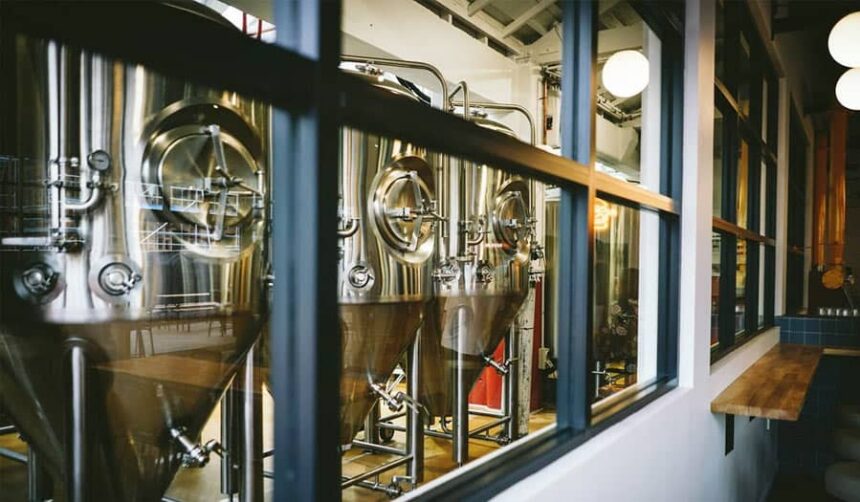
- Equipment: Brewery equipment can range from a few thousand dollars for small home setups to over a million dollars for large commercial systems. The costs include fermenters, brew kettles, bottling lines, refrigeration systems, and more.
- Licenses and Permits: Breweries are subject to a variety of local, state, and federal regulations, all of which require licenses and permits. The costs can vary significantly based on location but are generally a substantial upfront investment.
- Facility and Renovations: Leasing or purchasing a space, and making necessary renovations to accommodate brewing equipment, can be expensive. Finding a location with adequate space, water supply, and drainage is critical.
- Ingredients: Depending on the scale, purchasing raw materials such as malt, hops, and yeast in bulk can be costly upfront, though buying in larger quantities may reduce per-unit costs.
Startup costs can range from $100,000 for a small-scale operation to several million dollars for a large brewery. These expenses can eat into profits during the first few years, making it essential for new brewers to have a solid financial plan.
4. Revenue Streams in Brewing
Profitability in brewing is not just determined by beer sales. Many breweries have diversified their revenue streams to improve profitability. Here are some common avenues of revenue:
- On-site Taprooms: Breweries with taprooms can earn higher profit margins since they sell directly to consumers. Taproom sales are often more profitable than wholesale or distribution sales because the brewery can keep more of the revenue.
- Distribution: Many breweries choose to distribute their products to bars, restaurants, and retailers. While this can lead to more significant sales volumes, it typically results in lower profit margins because of the distributor’s cut.
- Merchandise Sales: Breweries often sell branded merchandise such as shirts, hats, and glassware, which can provide an additional source of income.
- Special Events: Hosting beer festivals, tastings, and other events can generate extra revenue while promoting brand awareness. Breweries can charge for tours and tastings, as well as private events.
5. Challenges to Profitability
While the brewing industry can be lucrative, several challenges can hinder profitability:
- Competition: The craft beer market has become increasingly saturated, with new breweries popping up regularly. High competition can drive prices down and make it harder for a new brewery to stand out.
- Market Trends: Consumer preferences in the beer industry can shift rapidly, leading to volatility in sales. Trends such as the popularity of hard seltzers and non-alcoholic beverages have impacted beer sales in recent years.
- Seasonality: Beer sales can be seasonal, with summer typically being the busiest season. Breweries need to manage cash flow effectively to survive slower periods.
- Regulatory Environment: The brewing industry is heavily regulated, and breweries must comply with a range of local, state, and federal laws. Changes in regulations or taxes can impact profitability.
6. Is Brewing Worth the Investment?
Despite the challenges, brewing can be a highly profitable industry, especially for those who can navigate the complexities of the business and deliver products that resonate with consumers. However, it’s essential to approach the brewing business with realistic expectations. Success in brewing requires careful planning, effective marketing, and consistent product quality
Brewers who can scale their operations while maintaining cost controls and adapting to market trends have the best chance of turning a profit.
FAQs About Brewing Profitability
1. How long does it take for a brewery to become profitable?
On average, it can take two to three years for a brewery to become profitable, though this depends on factors such as startup costs, operating expenses, and market demand. Breweries with high initial investments may take longer to break even.
2. What is the most profitable type of brewery?
Brewpubs and breweries with on-site taprooms tend to be more profitable because they can sell directly to consumers, which results in higher profit margins. Large production breweries may have lower margins but compensate through high sales volumes.
3. What are the biggest expenses for a brewery?
The most significant expenses for a brewery include equipment, rent or mortgage, utilities, ingredients, and salaries. Licensing and permits are also substantial costs that brewers must account for.
4. Can homebrewing be profitable?
Homebrewing is generally not as profitable as commercial brewing, but it can be a good way to experiment with brewing techniques and recipes. Some successful commercial brewers started as homebrewers and scaled up their operations after building a loyal following.
In conclusion, brewing can be a profitable venture for those who understand the complexities of the business and are prepared to navigate the challenges. By managing costs, creating high-quality products, and building strong brand awareness, brewers can turn their passion for beer into a lucrative business.