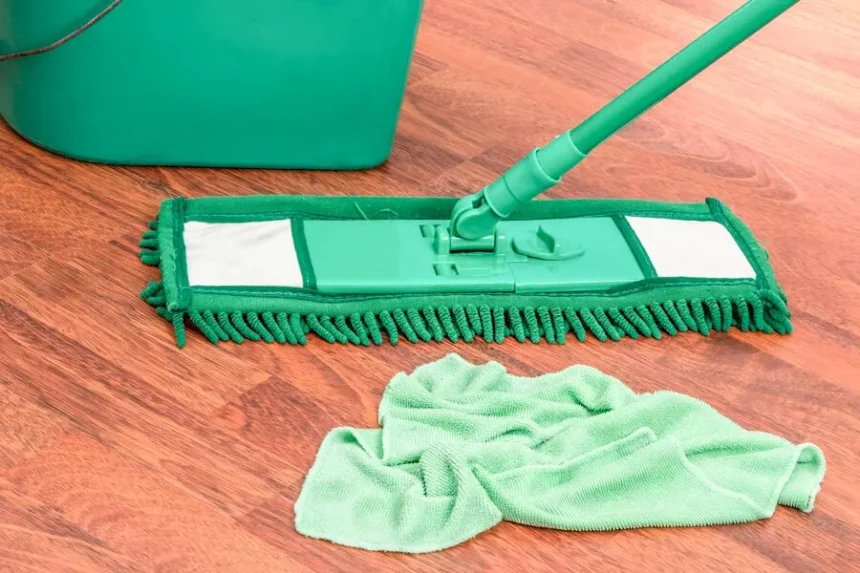
Microfiber has become a buzzword in multiple industries—from textiles and upholstery to footwear and automotive interiors. But despite its widespread use, few people truly understand how this innovative material is made. With increasing demand for sustainable and high-performance alternatives to traditional fabrics and leather, microfiber continues to attract attention for both its versatility and practicality. In this article, we’ll explore the manufacturing process of microfiber, its various applications, and answer a key question that often arises: is microfiber leather waterproof?
Understanding What Microfiber Is
Microfiber refers to synthetic fibers that are finer than one denier, which is thinner than a strand of silk. These ultra-fine fibers are typically made from polyester, polyamide (nylon), or a combination of both. The defining feature of microfiber is its extremely small diameter, which allows it to be densely woven, giving it excellent durability, softness, and absorption capabilities.
Because microfiber is man-made, manufacturers can control its properties, such as water resistance, strength, elasticity, and appearance. This makes it a highly adaptable material that can be tailored to suit a wide range of applications—especially in industries where durability and aesthetics are essential.
Raw Materials Used in Microfiber Production
The production of microfiber starts with the selection of appropriate raw materials. The two primary polymers used are polyester and polyamide, which are both derived from petroleum-based chemicals. These polymers are melted and extruded through a fine nozzle, called a spinneret, to form long, thin filaments.
Depending on the intended end use of the microfiber, additives may also be incorporated during this stage. These can include dyes for coloration, UV inhibitors for sunlight resistance, or agents that enhance water-repellent properties—important when discussing whether microfiber leather is waterproof or not.
Extrusion and Spinning Process
Once the raw materials are melted, they are extruded through the spinneret to produce continuous filaments. These filaments are then cooled and solidified, forming a long strand of microfiber. In many cases, the individual filaments are split into even finer strands to enhance softness, flexibility, and moisture absorption.
The splitting process is a critical step for high-performance microfiber, especially for materials like microfiber leather. By splitting the fibers, the surface area is dramatically increased, which contributes to the material’s breathability and absorbency.
Weaving and Nonwoven Fabric Construction
After the fibers have been spun and split, they are either woven into textiles or bonded together to form nonwoven materials. The latter is especially relevant for microfiber leather. In nonwoven microfiber production, the fibers are laid out randomly and bonded using heat, pressure, or chemical adhesives. This method creates a fabric that mimics the texture and feel of natural leather.
Once the microfiber base is formed, it may be coated with polyurethane (PU) or other resins to improve its durability, texture, and water resistance. At this point, you might wonder—is microfiber leather waterproof? The answer depends on the coating process. If treated with a high-quality PU finish, microfiber leather can indeed become highly water-resistant, making it suitable for use in shoes, bags, and automotive interiors.
Dyeing and Finishing Processes
Once the microfiber base is formed, it undergoes dyeing and finishing. This phase determines not only the color but also the texture and performance characteristics of the final product. High-end microfiber leather often goes through an embossing process to replicate the grain of genuine leather.
During finishing, various treatments may be applied, such as antimicrobial agents, anti-static finishes, and—most importantly—waterproofing chemicals. These treatments ensure that microfiber can meet the demands of various industries while offering added value in performance.
For example, in the automotive and furniture industries, is microfiber leather waterproof becomes a critical consideration. Water-resistance ensures that the material withstands spills, humidity, and even outdoor exposure without losing its appearance or structure.
Microfiber Leather vs. Genuine Leather
Microfiber leather is often compared to genuine leather due to its similar look and feel. However, the key advantage of microfiber lies in its consistency, lower cost, and customizable properties. Unlike animal leather, which can vary based on the animal and tanning process, microfiber offers a standardized quality.
Additionally, microfiber leather is generally more resistant to wear and tear. It doesn’t crack or fade as quickly as genuine leather when exposed to sunlight or moisture. That said, whether microfiber leather is waterproof depends on its treatment. Properly finished microfiber can resist water better than most grades of natural leather.
Applications of Microfiber Leather
Thanks to its durability, aesthetic appeal, and performance features, microfiber leather is used across various industries:
- Automotive: Seat covers, dashboards, and interior linings.
- Footwear: Athletic shoes, fashion boots, and sandals.
- Furniture: Sofas, chairs, and cushions.
- Fashion: Bags, jackets, belts, and wallets.
- Sports Equipment: Gloves, balls, and gear.
In many of these applications, the water-resistant or waterproof quality of microfiber is essential. For example, in sports and outdoor fashion, being waterproof determines the material’s longevity and performance in wet conditions. Thus, the frequently asked question—is microfiber leather waterproof—holds real weight in determining its suitability for different end uses.
Is Microfiber Leather Waterproof?
So, is microfiber leather waterproof? The short answer is: it can be. The waterproof quality of microfiber leather largely depends on how it is processed and finished. While the base microfiber itself is absorbent due to its structure, the addition of a PU coating or other waterproof treatments transforms it into a material that resists water exceptionally well.
In fact, microfiber leather is often a better water-resistant alternative than many types of genuine leather. This makes it an excellent choice for products that need to endure exposure to moisture, such as car interiors, fashion items, or sports gear.
Conclusion
Understanding how microfiber is made opens the door to appreciating its vast potential. From its raw material base to its finely tuned finishing treatments, microfiber is a high-tech textile designed for performance and style. Whether you’re looking for a leather alternative, a sustainable option, or simply a durable fabric that holds up under pressure, microfiber fits the bill.
And when asking, is microfiber leather waterproof—the answer is yes, when manufactured correctly. Its blend of science, engineering, and design makes microfiber leather one of the most exciting innovations in modern textiles. As demand grows for animal-free and eco-conscious alternatives, expect microfiber to play an even more prominent role in the future.