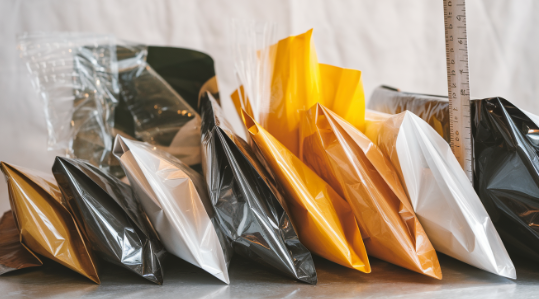
Cellophane bags are a versatile and attractive packaging option used in industries ranging from food and retail to crafting and gift-giving. Choosing the right thickness of cellophane bags is essential for ensuring that your products are well-protected while maintaining a professional presentation. The thickness of cellophane bags, often measured in mils, impacts durability, transparency, and usability. This guide will help you understand how to select the ideal thickness for your specific needs.Cellophane Bags & Seal Clear Cello Bag Wholesale – iMailer
What Is Cellophane Bag Thickness?
Understanding Thickness Measurements
Cellophane bag thickness is typically measured in mils, where one mil equals 0.001 inches. Thinner bags usually range from 1 to 1.5 mils, while thicker options can go up to 5 mils or more. The thickness you choose depends on your intended use and the type of product you’re packaging.
The Role of Thickness in Performance
The thickness of cellophane bags affects several key attributes:
- Durability: Thicker bags provide greater resistance to tearing and punctures.
- Clarity: Thinner bags often offer superior transparency, making them ideal for showcasing products.
- Flexibility: Thicker bags are stiffer, while thinner bags are more pliable.
Factors to Consider When Choosing Thickness
1. Type of Product
The type of product you’re packaging is the most critical factor in determining the appropriate thickness.
- Lightweight Items: Products like small candies, jewelry, or stationery generally require thinner bags (1 to 1.5 mils).
- Medium-Weight Items: Products such as baked goods, craft supplies, or cosmetics often benefit from moderate thickness (2 to 3 mils).
- Heavy or Sharp Items: For heavier or sharp-edged items like tools, metal parts, or bulky gifts, thicker bags (4 to 5 mils) are recommended.
2. Purpose of Use
- Display and Presentation: For products that need to be visually appealing, thinner bags (1 to 2 mils) are ideal due to their high clarity.
- Protection and Storage: If you need to safeguard items during storage or shipping, opt for thicker bags (3 to 5 mils).
- Heat Sealing: If you plan to heat-seal the bags, choose a thickness that is compatible with sealing equipment.
3. Environmental Conditions
Consider the environment in which the bags will be used or stored:
- Temperature Variations: Thicker bags are better for products exposed to temperature changes, as they provide better insulation.
- Moisture Resistance: If moisture is a concern, thicker bags offer better protection against humidity.
4. Budget Constraints
While thicker bags offer more durability, they are often more expensive. Balancing quality and cost is crucial, especially for businesses ordering in bulk.
Common Thickness Options and Their Applications
1. 1-1.5 Mils: Ultra-Thin Bags
These are the most lightweight and cost-effective options. They are suitable for:
- Wrapping small, lightweight items.
- Temporary packaging or single-use applications.
- High-transparency needs, such as displaying small candies or ornaments.
2. 2-3 Mils: Standard Thickness
These bags strike a balance between durability and flexibility. Ideal for:
- Packaging baked goods like cookies or bread.
- Organizing craft supplies or cosmetics.
- Storing medium-weight items that need moderate protection.
3. 4-5 Mils: Heavy-Duty Bags
Thicker bags provide maximum durability and are perfect for:
- Protecting sharp or heavy objects.
- Long-term storage in challenging environments.
- Shipping products that require extra cushioning and strength.
How to Test the Thickness You Need
Perform a Weight and Stress Test
Place your product in a sample bag of the intended thickness and test it for:
- Load-bearing capacity: Ensure the bag can hold the weight without stretching or tearing.
- Resistance to punctures: Check if sharp edges or corners of your product damage the bag.
Assess the Presentation
Examine how your product looks inside the bag. Thinner bags generally enhance visibility, but thicker bags may dull the clarity slightly.
Simulate Real-world Scenarios
Test the bag in conditions that mimic actual use. For example, if you’re packaging baked goods, refrigerate the bag to see how it performs in cooler temperatures.Cellophane Bags | Wholesale Clear Self-Sealing Flat Bags – BETCKEY Label
Tips for Selecting the Right Thickness
- Order Samples First: Request samples in various thicknesses before placing a bulk order.
- Consider Dual Packaging: Use a thinner cellophane bag for presentation and a secondary thicker bag for added protection.
- Consult Your Supplier: Share details about your product and intended use to get expert recommendations.
FAQs
1. Can I use the same thickness of cellophane bags for all types of products?
No, different products require different thicknesses based on their weight, fragility, and intended use. Lightweight items typically need thinner bags, while heavier or sharp items demand thicker bags.
2. Are thicker cellophane bags less transparent?
Generally, thicker bags may slightly reduce clarity compared to thinner ones. However, high-quality thick cellophane bags often maintain excellent transparency.
3. What is the best thickness for food packaging?
For food packaging, 1.5 to 3 mils is ideal. Thinner bags work well for lightweight items like candies, while thicker options are better for heavier baked goods or items needing extra protection.
By carefully considering your product type, usage requirements, and budget, you can determine the perfect cellophane bag thickness to meet your needs. Whether you’re an eCommerce seller, a small business owner, or a home organizer, selecting the right thickness ensures your items are well-protected and beautifully presented.