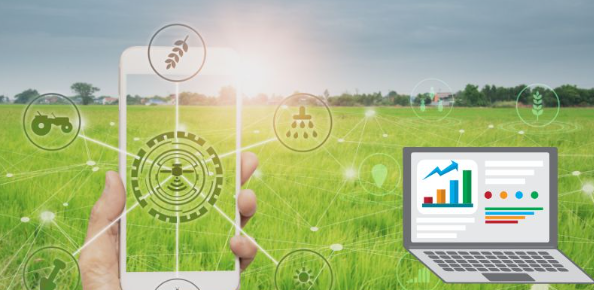
As the world confronts the challenges of climate change, population growth, and dwindling natural resources, the agricultural sector is at a critical inflection point. Farming must evolve to meet rising food demands without depleting the environment. This evolution demands innovation, and agricultural analytics is leading the way.
By using data from satellites, sensors, drones, and weather systems, agricultural analytics provides insights that enable smarter decisions and more sustainable practices. It transforms traditional farming into a data-driven system, one that conserves resources, maximizes yield, and reduces environmental impact.
In this blog, we explore how agricultural analytics is reshaping the future of sustainable farming and why it may hold the key to long-term food security and planetary health.
What is Agricultural Analytics?
At its core, agricultural analytics is the practice of collecting, processing, and analyzing large volumes of agricultural data to drive informed decision-making. These datasets can include:
- Weather data
- Soil nutrient levels
- Crop health and disease patterns
- Satellite and drone imagery
- Equipment performance and fuel usage
- Market demand and pricing trends
By applying AI, machine learning, and statistical models to this data, analytics tools can help farmers understand complex variables, predict outcomes, and optimize farming operations across every stage from planting to harvest to distribution.
Why Sustainability Needs Data?
Sustainable farming is all about producing more with less water, less energy, less fertilizer, and less waste, all while protecting biodiversity, soil health, and water systems. However, achieving this balance is difficult without visibility into what’s happening on the farm.
This is where agricultural analytics becomes indispensable. Data-driven insights empower farmers to:
- Reduce overuse of resources
- Target specific areas for improvement
- Monitor environmental impacts
- Make decisions based on evidence, not intuition
Rather than relying on guesswork, analytics gives farmers a way to measure sustainability goals and track progress over time.
Key Ways Agricultural Analytics Supports Sustainable Farming
1. Precision Agriculture
One of the most impactful areas of analytics is precision agriculture. By combining GPS, IoT sensors, and real-time data analysis, farmers can apply water, pesticides, and fertilizers precisely where and when needed instead of across entire fields.
Benefits include:
- Reduced input costs
- Decreased chemical runoff into waterways
- Better crop performance
- Increased productivity per acre
This not only helps the environment but also improves the farmer’s bottom line.
2. Soil Health Management
Healthy soil is foundational to sustainability. Analytics tools help monitor:
- Soil moisture
- Organic matter content
- pH balance
- Microbial activity
This data supports regenerative practices such as crop rotation, no-till farming, and composting. Over time, farmers can see measurable improvements in soil fertility and carbon capture vital for climate resilience.
3. Optimized Irrigation and Water Conservation
Water scarcity is one of agriculture’s most pressing concerns. Agricultural analytics enables smart irrigation systems that:
- Use real-time soil moisture readings
- Adjust watering schedules based on weather forecasts
- Prioritize zones that require urgent hydration
By avoiding over-irrigation, farms can conserve freshwater resources and prevent soil erosion.
4. Pest and Disease Management
Traditionally, pest control meant spraying entire fields. But with analytics, farmers can:
- Detect early signs of pest outbreaks using satellite and drone imagery
- Model the likely spread of diseases
- Apply treatments only in affected zones
This targeted approach reduces chemical usage and prevents resistance build-up in pests, keeping ecosystems more balanced.
5. Climate Risk Forecasting
Analytics-powered models can simulate how changes in temperature, rainfall, and CO₂ levels will affect crop growth. These insights help farmers:
- Select climate-resilient crop varieties
- Shift planting schedules
- Diversify income through mixed cropping or livestock
This proactive planning can significantly reduce losses during extreme weather events, which are becoming more frequent due to climate change.
Transforming Farm Operations with Data
Sustainability is not only about environmental stewardship; it’s also about economic and operational efficiency.
Farmers now use dashboards and analytics platforms to monitor:
- Equipment fuel efficiency
- Harvest yields by plot
- Labor productivity
- Inventory management
- Input cost vs output value
By integrating all this data, they can identify bottlenecks, automate routine tasks, and ensure that every resource is being used optimally.
At the heart of these capabilities lies the right agriculture analytics solution, a tool or platform that brings together disparate datasets and delivers clear, actionable recommendations. Solutions like these are becoming increasingly accessible, even for small and mid-sized farms, thanks to cloud technology and mobile apps.
The Future: Smarter, Greener Farming with Analytics
Here’s how agricultural analytics will evolve over the next decade:
- AI Integration: Machine learning will fine-tune recommendations based on past outcomes and real-time adjustments.
- Blockchain for Traceability: Consumers will be able to trace produce back to the farm, confirming sustainable practices.
- Farmer-Friendly Dashboards: Tools will become more intuitive, with fewer clicks and more voice or visual cues.
- Ecosystem Monitoring: Advanced analytics will track not just farm inputs and outputs, but also biodiversity, pollinator activity, and carbon sequestration.
- Policy-Linked Insights: Governments may link subsidies or carbon credits to sustainability metrics tracked through analytics.
Final Thoughts
Agricultural analytics is not just about technology; it’s about transformation. As farms around the world face mounting pressure to feed more people with fewer resources, data becomes the most powerful tool in their arsenal.
By embracing a modern agriculture analytics solution, farms of all sizes can enhance productivity, protect the environment, and future-proof their operations. From soil to sky, data is creating a clearer, more sustainable path forward for agriculture.
Ultimately, sustainable farming is not just a goal; it’s a necessity. And with the power of analytics, it’s becoming a practical, measurable, and achievable reality.