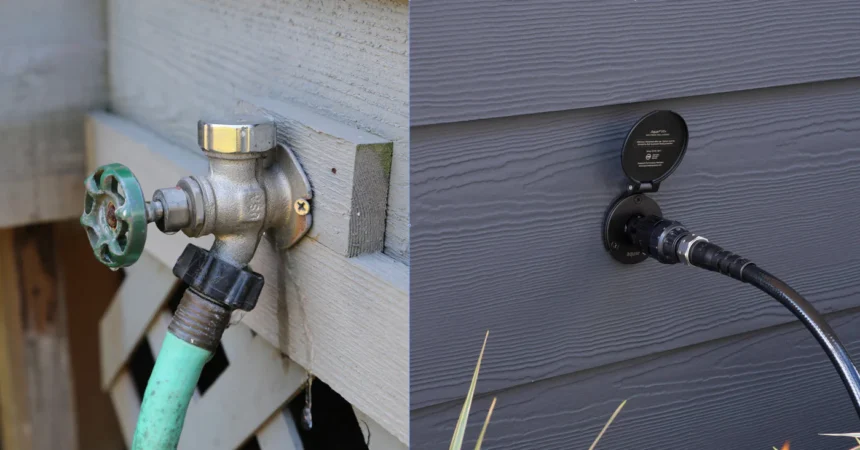
A hose bib (also known as a spigot or outdoor faucet) is a crucial component in your home’s plumbing system, especially when it comes to outdoor water usage. Whether you’re watering your garden, cleaning your driveway, or filling up a pool, the hose bib makes it all possible. In this comprehensive guide, we’ll explore what a hose bib is, its types, installation, maintenance, and tips for choosing the best one for your needs.
What is a Hose Bib?
A hose bib is an outdoor faucet that allows you to connect a garden hose or other water delivery system to an exterior water supply. Typically mounted on the outside of a building, a hose bib is connected to the home’s plumbing and is used to provide water for various outdoor tasks such as irrigation, car washing, or even filling containers.
The hose bib is designed to withstand outdoor conditions and comes with a variety of features depending on the type, quality, and intended use. Unlike indoor faucets, hose bibs are built to endure exposure to the elements, which makes proper installation and maintenance essential for preventing leaks, damage, and water wastage.
Key Features of a Hose Bib
-
Durability: Hose bibs are made of materials that can withstand outdoor conditions such as brass, stainless steel, or plastic.
-
Easy to Use: Hose bibs usually feature a handle or knob that can be turned to open or close the water flow, allowing users to control the water supply with ease.
-
Connection Points: The hose bib includes an outlet where you can connect a garden hose or any other water delivery device. This outlet is threaded to fit standard hose fittings.
-
Anti-freeze or Frost-Free Design: Some models are specifically designed to prevent freezing during winter by incorporating internal mechanisms that keep water from remaining in the exposed section of the bib.
Types of Hose Bibs
When selecting a hose bib for your home, it’s important to understand the different types available. Each type serves a specific purpose and may be more or less suited for your needs depending on the environment and usage.
Standard Hose Bib
A standard hose bib is the most basic type of outdoor faucet. It typically consists of a metal or plastic valve attached to a pipe, with a threaded spout that accepts a hose fitting. These are easy to install and relatively inexpensive, making them a common choice for residential properties.
Features of Standard Hose Bibs:
-
Simple design for basic outdoor tasks.
-
Made of durable materials like brass or copper.
-
May require insulation in colder climates to prevent freezing.
Frost-Free or Anti-Freeze Hose Bib
A frost-free hose bib is designed to prevent freezing during the colder months. These bibs are equipped with a special valve that shuts off the water supply inside the house, where the temperature is warmer, preventing water from sitting in the faucet and freezing. This type of hose bib is ideal for regions with cold winters and can save you from costly repairs caused by frozen pipes.
Benefits of Frost-Free Hose Bibs:
-
Prevents freezing, which can lead to pipe bursts.
-
Available in various sizes to suit your needs.
-
Typically more expensive than standard hose bibs but can save you money in the long run.
Angle Valve Hose Bib
An angle valve hose bib is ideal for situations where you need a faucet to fit into a tight space. The valve connects at an angle rather than a straight line, allowing for a more compact design. These are commonly used in homes where space is limited or where a standard hose bib would not fit properly.
Advantages of Angle Valve Hose Bibs:
-
Useful for tight spaces.
-
Provides a clean and tidy installation.
-
Available in frost-free versions as well.
Yard Hydrant Hose Bib
A yard hydrant hose bib is a larger, more industrial version of the standard hose bib, often used for agricultural purposes or large estates. It features a taller structure and is designed for higher water flow. Yard hydrants often come with built-in shut-off valves to prevent backflow and offer more control over the water supply.
Key Features of Yard Hydrants:
-
High water flow capacity.
-
Suitable for large properties or agricultural use.
-
Often installed in areas where water needs to be accessed from a distance.
How to Install a Hose Bib
Installing a hose bib can be a simple DIY project for homeowners, depending on the complexity of the installation and the type of bib you are installing. Follow these general steps to install a standard hose bib. Note: If you are installing a frost-free hose bib, additional steps may be required to ensure proper installation and functionality.
Turn Off the Water Supply
Before beginning any plumbing project, always ensure that the water supply to the area is turned off. This will prevent any accidental flooding while you’re working.
Choose the Location
Decide where you want to install the hose bib. Ideally, it should be placed on the exterior wall near your water supply. Consider accessibility and convenience for future use. Also, make sure the location is high enough to avoid the potential for pooling water.
Drill a Hole
Using a drill with the appropriate size bit, drill a hole through the exterior wall where you want to mount the hose bib. The hole should be large enough to accommodate the bib’s pipe fitting and ensure a secure connection.
Install the Hose Bib
Attach the hose bib to the pipe by connecting it to the water supply line using a pipe wrench or adjustable pliers. Ensure the connection is tight and leak-proof. For frost-free models, make sure the internal valve is properly installed according to the manufacturer’s instructions.
Test for Leaks
Once the hose bib is installed, turn the water supply back on and check for leaks. Tighten any connections as needed and test the flow of water by attaching a hose and turning the faucet on and off.
Insulate (If Needed)
If you live in an area with cold winters and have installed a standard hose bib, consider insulating it to prevent freezing. You can use foam covers or insulation tape for added protection.
How to Maintain Your Hose Bib
Proper maintenance is essential to ensure that your hose bib continues to function properly and lasts for many years. Here are some maintenance tips:
Inspect Regularly
Check your hose bib periodically for any signs of wear and tear, such as leaks or corrosion. Make sure the valve handle turns easily and that the spout is free from clogs.
Winterize Your Hose Bib
If you live in an area that experiences freezing temperatures, it’s crucial to winterize your hose bib to prevent freezing and damage. For standard hose bibs, remove any hoses before the winter and install a foam cover or wrap the bib with insulation. For frost-free bibs, make sure the shut-off valve is properly functioning to prevent water from sitting in the faucet during winter months.
Clean the Spout
Over time, mineral deposits or debris can clog the spout of your hose bib. To keep the water flowing freely, periodically clean the spout with a vinegar solution or a commercial cleaner designed for plumbing fixtures.
Replace Damaged Parts
If you notice any parts of the hose bib are damaged, such as the valve or handle, be sure to replace them immediately. Many hose bibs are designed for easy repairs and come with replaceable parts.
Tips for Choosing the Right Hose Bib
When shopping for a hose bib, keep these factors in mind to make sure you choose the best one for your needs:
Climate Considerations
If you live in a cold climate, choose a frost-free hose bib to avoid frozen pipes. In warmer regions, a standard hose bib will work just fine.
Material Durability
Brass and stainless steel are the most durable materials for hose bibs. Plastic models are often less expensive but may not last as long or provide the same level of durability.
Size and Flow Rate
Consider how much water you will need to flow through the bib at any given time. Larger properties or those with irrigation systems may require a higher flow rate, so opt for a yard hydrant or high-capacity hose bib.
Installation Ease
If you’re installing the hose bib yourself, choose a model that is easy to install. Standard hose bibs are generally easier to install than frost-free versions, which may require professional assistance for proper installation.
Conclusion
A hose bib is an essential outdoor fixture that provides convenient access to water for various tasks. Whether you’re installing a new one or maintaining an existing one, understanding the types, installation process, and maintenance tips for hose bibs will ensure that your outdoor water usage is efficient and hassle-free. Choose the right type of hose bib based on your climate, usage needs, and home setup, and you’ll have a functional and reliable water source for many years to come.