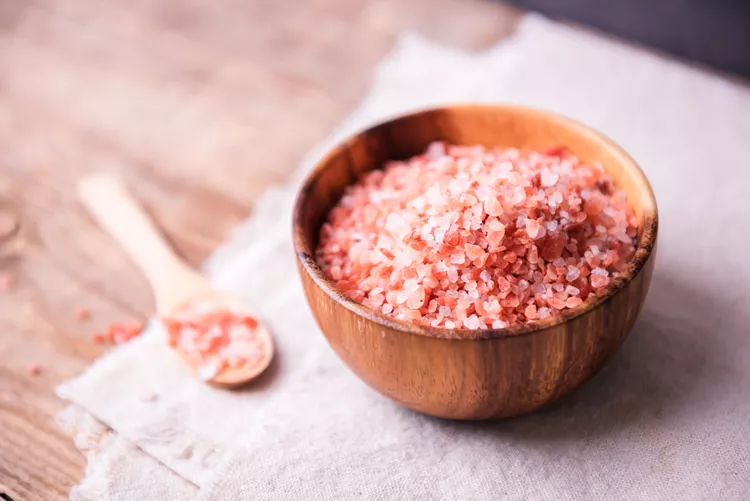
Himalayan pink salt is a mineral-rich, naturally sourced salt that has gained significant popularity in recent years. Known for its unique pink color and claimed health benefits, this salt is often touted as a healthier alternative to traditional table salt. But what exactly makes Himalayan pink salt so special? In this article, we will dive into its origins, health benefits, culinary uses, and potential risks, helping you understand why it’s become a staple in kitchens and wellness practices around the world.
What Is Himalayan Pink Salt?
Himalayan pink salt is a type of rock salt that is primarily found in the Khewra Salt Mine in the Punjab region of Pakistan, near the foothills of the Himalayas. This ancient salt is believed to be over 250 million years old, originating from a time when the region was covered by an ocean. Over time, tectonic shifts caused the water to evaporate, leaving behind large deposits of salt.
The pink color of the salt is due to the presence of various minerals, such as iron oxide, along with other trace minerals, which contribute to its unique taste and appearance. Himalayan pink salt is hand-mined, usually without the use of industrial refining processes, which means it retains a high concentration of minerals that are often stripped from regular table salt.
The Composition of Himalayan Pink Salt
While Himalayan pink salt is primarily made of sodium chloride, it also contains over 80 other trace minerals, including:
-
Potassium
-
Magnesium
-
Calcium
-
Iron
-
Copper
-
Zinc
These minerals contribute to the health benefits that many people associate with Himalayan pink salt.
Health Benefits of Himalayan Pink Salt
Himalayan pink salt is often marketed as a healthier alternative to traditional table salt. Let’s take a closer look at the purported health benefits that have contributed to its rising popularity.
Rich in Minerals
As mentioned, Himalayan pink salt contains over 80 trace minerals, which can support various bodily functions. Some of the key minerals include:
-
Magnesium: Supports muscle and nerve function and can help reduce muscle cramps and fatigue.
-
Potassium: Important for maintaining proper fluid balance and supporting heart function.
-
Calcium: Essential for healthy bones and teeth.
While the minerals in Himalayan pink salt are present in small amounts, they can contribute to your overall nutrient intake when used as part of a balanced diet.
Supports Hydration
One of the key benefits of Himalayan pink salt is its role in maintaining proper hydration. Unlike table salt, which is highly processed and stripped of beneficial minerals, Himalayan pink salt can help balance the body’s electrolytes, aiding in proper fluid retention and hydration.
The trace minerals found in Himalayan pink salt can also help regulate the body’s fluid levels, making it a potential aid in maintaining healthy hydration. This can be particularly beneficial for athletes, those working in hot conditions, or anyone experiencing dehydration.
Improves Digestion
Himalayan pink salt is thought to help stimulate the production of hydrochloric acid (HCl) in the stomach. HCl is essential for the breakdown of food and absorption of nutrients. Consuming a small amount of Himalayan pink salt with warm water before meals is believed to enhance digestive function and reduce issues like bloating, heartburn, and indigestion.
Additionally, the alkalizing effect of Himalayan pink salt may help balance the body’s pH levels, supporting a healthier digestive system.
Balances pH Levels
Himalayan pink salt is often touted for its ability to help balance the body’s pH levels, making it more alkaline. This alkalizing effect is thought to combat acid reflux and reduce the risk of certain chronic conditions linked to high acidity in the body.
A balanced pH can support overall health by helping to maintain proper metabolic function, immune system performance, and cell regeneration. Drinking water with a pinch of Himalayan pink salt may assist in maintaining a more balanced internal pH.
Improves Sleep Quality
Himalayan pink salt contains magnesium, a mineral that is known for its ability to improve sleep quality. Magnesium can help calm the nervous system, relax muscles, and promote a sense of relaxation, making it easier to fall and stay asleep.
Some people incorporate Himalayan pink salt into their nighttime routines by adding it to warm bath water or using it in the form of a salt lamp near their beds to promote relaxation and better sleep.
Detoxifies the Body
Himalayan pink salt is also believed to have detoxifying properties. It is thought to help cleanse the body by promoting lymphatic drainage and supporting the kidneys in filtering out toxins. Some wellness enthusiasts add Himalayan pink salt to baths, claiming that the salt helps draw out impurities from the skin and supports overall detoxification.
Supports Healthy Skin
Himalayan pink salt’s antimicrobial properties can help support skin health. When applied topically, it is said to help cleanse the skin, reduce acne, and promote a glowing complexion. The minerals in the salt can nourish the skin, helping to soothe irritation and maintain skin health.
Using Himalayan pink salt in a salt scrub or bath soak can also help exfoliate the skin, removing dead skin cells and leaving your skin feeling soft and rejuvenated.
Culinary Uses of Himalayan Pink Salt
In addition to its health benefits, Himalayan pink salt is widely used in cooking and food preparation. Its unique flavor and texture make it a desirable alternative to regular table salt in many dishes.
Seasoning and Garnishing
Himalayan pink salt can be used just like regular salt to season food. Whether it’s sprinkled on vegetables, meats, salads, or roasted dishes, it adds a mild, yet rich flavor. Many chefs also use large Himalayan salt blocks to grill or sear food, allowing the food to absorb the minerals and subtle saltiness from the block during cooking.
Himalayan Salt Lamps
While Himalayan salt is traditionally used in food, it’s also commonly found in the form of salt lamps. These lamps are carved from large chunks of Himalayan pink salt and are believed to offer health benefits, including air purification and promoting relaxation. The lamps are typically placed in living rooms, bedrooms, or offices.
Though scientific evidence on the benefits of Himalayan salt lamps is limited, they are popular for creating a calming, ambient atmosphere.
Salt Scrubs and Baths
Himalayan pink salt is also a popular ingredient in DIY skin care. You can create your own salt scrub by mixing it with coconut oil or olive oil. Scrubbing the body with this mixture can help exfoliate the skin, remove dead skin cells, and improve circulation. Bathing in water infused with Himalayan pink salt is also said to help soothe sore muscles and promote relaxation.
Health Drinks
Some people drink Himalayan pink salt water for its purported health benefits. Adding a pinch of Himalayan salt to a glass of water can help support hydration, balance electrolytes, and aid digestion. Some also add lemon and honey to create a refreshing detox drink.
Potential Risks of Himalayan Pink Salt
While Himalayan pink salt offers a range of benefits, it is important to consume it in moderation. Despite its mineral content, it is still primarily sodium chloride and should be used sparingly, especially for individuals with high blood pressure or those on a low-sodium diet.
High Sodium Intake
Excessive consumption of sodium can contribute to high blood pressure, heart disease, and kidney problems. While the minerals in Himalayan pink salt may offer health benefits, it’s still crucial to manage your sodium intake and avoid overconsumption.
Contamination Risk
As Himalayan pink salt is hand-mined and less processed than regular salt, it may contain traces of heavy metals or contaminants. Always ensure that you buy pure, high-quality Himalayan salt from reputable sources to avoid the risks of contamination.
Conclusion
Himalayan pink salt is more than just a trendy addition to your kitchen. Its rich mineral content, health benefits, and versatile culinary uses make it a valuable natural product. Whether you’re using it to season food, enhance digestion, or promote better sleep, Himalayan pink salt offers numerous advantages.
However, like any salt, it should be consumed in moderation. While it’s a great source of trace minerals, excessive intake can still lead to health problems related to high sodium levels.
For those looking to enjoy the potential health benefits of Himalayan pink salt, it’s important to choose high-quality, authentic salt and use it responsibly. Whether you incorporate it into your meals, skincare routine, or wellness practices, Himalayan pink salt can contribute to a healthier lifestyle when used appropriately.