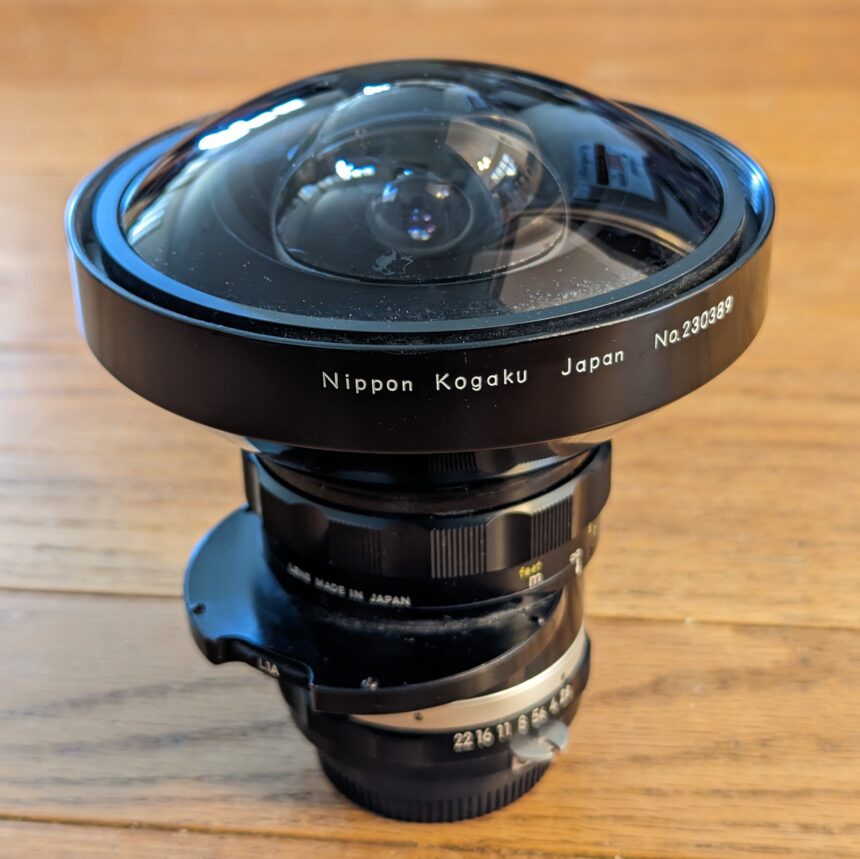
When it comes to photography, the tools you choose can transform a simple scene into an extraordinary image. One such tool that stands out in its ability to create dramatic visuals is the fisheye lens. With its unique curvature and wide field of view, this lens allows photographers to capture more than just what meets the eye. It distorts reality in fascinating ways, making ordinary subjects appear otherworldly.
Whether you’re wandering through bustling city streets or exploring serene landscapes, incorporating a fisheye lens into your kit opens up a world of creative possibilities. Curious about how it works and when to use one? Let’s dive deep into the captivating realm of fisheye lenses!
How Fisheye Lenses Work
Fisheye lenses create a distinct visual effect by utilizing an ultra-wide-angle design. They typically have a field of view of up to 180 degrees or more, allowing them to capture expansive scenes.
The construction involves multiple lens elements that bend light rays significantly. This curvature causes straight lines near the edges of the frame to appear curved, producing that signature fisheye look.
Most fisheye lenses are categorized into two types: circular and full-frame. Circular fisheyes render images with a round appearance, while full-frame versions fill the entire rectangular sensor area.
These lenses often feature a short minimum focusing distance, enabling photographers to achieve dramatic close-ups with rich distortion effects. The result is an immersive perspective that can transform ordinary scenes into extraordinary visuals.
Different Types of Fisheye Lenses
Fisheye lenses come in various types, each catering to different creative needs. The most common are circular and full-frame fisheyes.
Circular fisheye lenses capture a unique image that fills the frame with a complete circular view. This effect gives photos an otherworldly feel, perfect for artistic projects or abstract shots.
Full-frame fisheyed lenses provide a wider field of view without the distinct circle border. They create more traditional images while still offering noticeable distortion, making them popular among landscape and architecture photographers.
There are also zoom fisheye lenses, which allow flexibility in framing your subject while maintaining that characteristic curvature. These lenses can be great for dynamic environments where you want to adjust quickly.
Some manufacturers offer specialized versions tailored for specific cameras or formats, enhancing compatibility and performance across various photography styles. Each type opens up new avenues for creativity!
Advantages and Disadvantages of Fisheye Lenses
Fisheye lenses offer a unique perspective that can transform ordinary scenes into striking images. Their ultra-wide field of view captures much more than standard lenses, making them ideal for landscapes and architecture.
However, this dramatic distortion isn’t for everyone. The exaggerated curvature can make straight lines bend in unexpected ways, which might not suit every composition or subject.
Another advantage lies in their ability to create an immersive experience. Viewers often feel as if they are part of the scene rather than just looking at it from afar.
But with such creativity comes a learning curve. Mastering fisheye photography requires practice and experimentation to understand how best to utilize their distinctive characteristics effectively.
The choice between embracing or avoiding fisheye effects depends on your artistic vision and the story you want your photographs to tell.
When to Use a Fisheye Lens
Fisheye lenses shine in creative photography. They deliver an ultra-wide field of view, making them perfect for capturing expansive landscapes or stunning architectural shots.
If you’re photographing tight spaces, like small rooms or narrow streets, a fisheye lens can exaggerate depth and bring life to your images. This distortion creates a dynamic quality that regular lenses simply can’t replicate.
Action sports are another great domain for fisheye usage. The lens captures the excitement in ways that draw viewers into the moment, making them feel part of the action.
For artistic expressions, think about experimenting with unique compositions. You can play with shapes and lines to create abstract visuals that stand out from traditional images.
Always keep context in mind; while fisheyes add flair, they may not suit every scenario. Use it when you want to push boundaries and explore new perspectives.
Tips for Using a Fisheye Lens Effectively
To get the most out of your fisheye lens, experiment with angles. Low perspectives can exaggerate distortion and create dramatic effects.
Pay attention to your composition. The unique curvature can lead to interesting framing opportunities. Try to place key subjects at the edges for an eye-catching result.
Lighting plays a crucial role too. Since fisheye lenses capture wide scenes, ensure even lighting across your frame. Avoid harsh shadows that could disrupt the image’s balance.
Don’t shy away from close-ups either; getting up close allows you to showcase textures and details in a way standard lenses cannot.
Practice makes perfect! Take plenty of shots in various scenarios so you can discover what works best for your style and vision. Each click brings new insights into this captivating photographic tool.
Conclusion
Fisheye lenses offer a unique perspective that can transform your photography. Their ability to capture an ultra-wide field of view allows for creative compositions that stretch the boundaries of traditional images. While they have their advantages, such as enhancing depth and providing dramatic effects, understanding the challenges they present is equally important.
Using a fisheye lens effectively requires practice and experimentation. It’s essential to know when to incorporate this style into your work—whether you’re shooting landscapes, architecture, or even intimate portraits. By keeping in mind tips for maximizing the potential of a fisheye lens, photographers can create striking visuals that stand out.
Whether you’re just starting or looking to add variety to your portfolio, exploring what fisheye lenses can do opens up new avenues for creativity in your photography journey. Embrace this tool and discover how it can elevate your artistic expression.