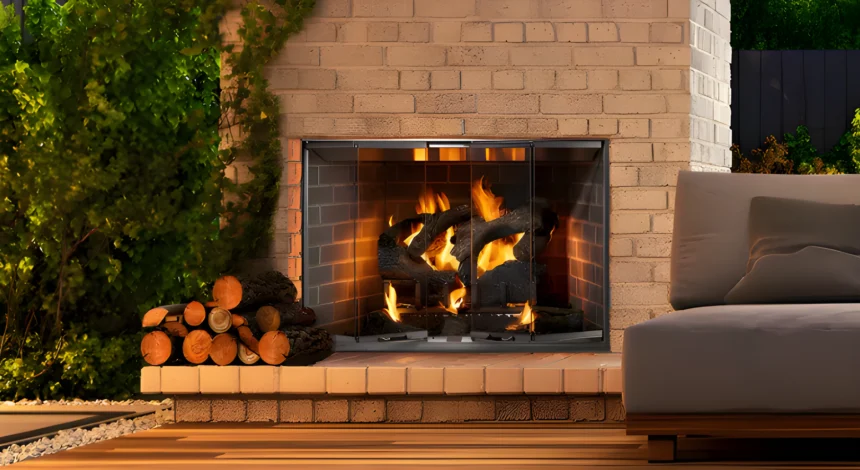
Buying a wood fireplace is rarely an impulse decision. It usually comes after a few winters of compromise, where certain rooms never quite warm up, ducted heating feels inefficient for evening use, and portable heaters only take the edge off the cold. Homeowners considering wood fireplaces Sydney options often assume the process is mainly about choosing a model and comparing prices. In reality, the most important decisions are technical and need to be resolved before you step into a showroom.
Understanding how a fireplace interacts with your home’s layout, airflow, and structure will make the difference between a system that performs comfortably for decades and one that struggles from the first winter.
How big should a wood fireplace be?
Heating capacity needs to match the volume of the space, not just its floor size. Ceiling height, open staircases, long hallways, and wide door openings all allow heat to escape faster than expected. Many Sydney homes feature open-plan living areas with high ceilings, which behave like much larger spaces once winter sets in.
Installers commonly see fireplaces that appear adequate on paper but are forced to run at maximum output because the room draws heat away too quickly. Choosing a unit that can operate efficiently below its upper limit improves burn quality, reduces smoke during startup, and avoids short burn cycles that waste wood.
A 60 square metre living area with high ceilings and open connections to other rooms often requires more heating capacity than homeowners initially expect.
Where a wood fireplace should sit for proper heat flow
Fireplace placement has a direct impact on how warmth spreads through a room. Wood fireplaces Sydney that are installed along internal walls generally distribute heat more evenly than units positioned in corners or under large windows. Heat naturally rises and drifts, so placement should support that movement rather than work against it.
In open-plan layouts, positioning the fireplace near where people actually sit tends to deliver better comfort sooner. When seating areas face the fire, radiant heat is felt quickly, making the room usable earlier in the evening. This is one of those details that feels obvious after installation but is easy to overlook during planning.
Clearances and safety zones inside Sydney homes
Every wood fireplace comes with minimum clearance requirements to walls, ceilings, and floors. These clearances are defined by Australian standards and verified during inspection. Timber floors typically require a hearth extension measured precisely in millimetres, while tiled floors allow for different layouts.
Clearances also affect furniture placement. A sofa that sits too close to the firebox can make a room feel cramped long before it becomes unsafe. Planning these zones early avoids having to rearrange the space once the fireplace is installed.
Fire and Rescue NSW notes that the cooler months consistently see an increase in house fires, often linked to heaters and open fires being placed too close to combustible materials. This reinforces why correct clearances, proper installation, and regular flue maintenance are not optional considerations.
How flue design and roof constraints affect performance
Flue design plays a critical role in how a fireplace performs day to day. Roof pitch, ceiling cavities, and upper-storey additions all influence where a flue can exit the house. Each bend added to a flue alters draft behaviour, which directly affects how easily the fire lights and how cleanly it burns.
Many Sydney homes with shallow rooflines or second-storey renovations require careful planning here. Not every fireplace model suits every roof structure without modification. This is where experienced advice matters, as poor flue design often leads to smoke issues that are difficult to resolve once installed.
Air supply in modern, well-sealed homes
Modern homes are built far more airtight than older houses. While this improves energy efficiency, it can restrict the airflow a wood fireplace needs to burn cleanly. Some wood fireplaces Sydney require an external air supply to maintain stable combustion, particularly during overnight burns.
Smoke entering the room during lighting or refuelling is often traced back to insufficient airflow rather than a faulty unit. Planning for air supply during installation avoids retrofitting later, which is rarely straightforward or discreet.
Wood storage and day-to-day practicality
Practical considerations often get overlooked during the buying stage. Wood storage, ash removal, and cleaning access all affect how enjoyable the fireplace is to live with. Storing wood close enough for convenience but far enough to maintain clearances makes daily use easier.
Ash pans, door access, and maintenance space should be factored into the layout before installation. These small details shape how the fireplace fits into everyday life, not just how it looks on installation day.
Why specialist advice saves time and money
Before committing to a fireplace, it is worth taking accurate measurements, ceiling details, and floor plans to a specialist retailer. Choosing between wood fireplaces Sydney becomes far simpler when someone reviews the layout before any decisions are locked in.
Professionals who deal with flues, clearances, airflow, and compliance every day can identify issues early and narrow suitable options quickly. A short pre-installation review helps confirm that the proposed location, heating capacity, and safety zones suit the home before a model is selected.
For homeowners planning on installing a wood fireplace in Sydney, resolving these technical details early ensures the final system performs as intended and integrates smoothly into the home for years to come.