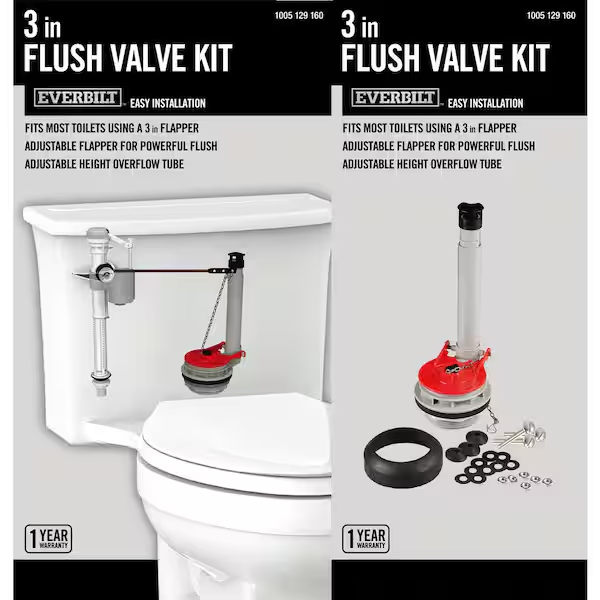
A toilet flapper is a small but crucial component of your toilet that ensures its proper functioning. Although it may seem insignificant at first glance, this little part can have a big impact on water conservation and toilet efficiency. In this article, we’ll cover everything you need to know about toilet flappers—what they are, how they work, how to fix them, and when to replace them.
What Is a Toilet Flapper?
The Role of a Toilet Flapper
A toilet flapper is a rubber or plastic valve located inside the toilet tank. It’s part of the flush valve mechanism and is responsible for controlling the release of water from the tank into the toilet bowl. When you flush the toilet, the flapper lifts, allowing water to flow into the bowl. Afterward, it seals the opening in the tank to prevent water from continuously draining.
Toilet flappers play an important role in maintaining the water level in your tank and ensuring that each flush uses an appropriate amount of water. If your toilet flapper is not functioning properly, it could lead to inefficient flushing, water wastage, or even a toilet that won’t stop running.
How Does a Toilet Flapper Work?
The Flapper Mechanism Explained
When you press the toilet handle to initiate a flush, the flush lever pulls up a chain attached to the toilet flapper. This causes the flapper to lift off the flush valve seat, allowing water to flow from the tank into the bowl. Once the tank is emptied, the flapper falls back into place, sealing the flush valve and stopping the water flow.
The flapper is designed to be sealed tightly against the flush valve when the toilet is not in use, ensuring that water doesn’t leak from the tank into the bowl. Once the flush cycle is complete, the flapper returns to its original position, and the tank begins to refill with water.
Factors Affecting Toilet Flapper Performance
Several factors can affect the performance of a toilet flapper. These include the quality of the material used, the age of the flapper, and the water pressure in your plumbing system. Over time, flappers can become worn or corroded, leading to leaks and inefficiencies. If your flapper is too old, it may no longer form a tight seal, resulting in water waste and increased utility bills.
Signs of a Malfunctioning Toilet Flapper
Common Problems with Toilet Flappers
A malfunctioning toilet flapper can cause a variety of issues, from a constantly running toilet to ineffective flushing. Here are some of the most common signs that your toilet flapper may be malfunctioning:
-
Constantly Running Toilet: If you hear your toilet running constantly, it could be a sign that the flapper is not sealing properly, allowing water to leak from the tank into the bowl.
-
Weak or Incomplete Flush: A worn-out flapper may not open enough to allow enough water to flow into the bowl, resulting in weak or incomplete flushes.
-
Water Wastage: If your toilet is using more water than usual, it may be because the flapper is allowing water to escape from the tank even when the toilet is not in use.
-
Visible Damage: If the flapper is cracked, corroded, or covered in mineral deposits, it’s a sign that it’s time for a replacement.
How to Test Your Toilet Flapper
To determine if your toilet flapper is the cause of the problem, you can perform a simple test:
-
Add a few drops of food coloring into the toilet tank.
-
Wait about 30 minutes without flushing the toilet.
-
Check the toilet bowl for any signs of colored water.
If the water in the bowl has changed color, it means that the flapper is leaking, and you need to replace it.
How to Replace a Toilet Flapper
Step-by-Step Guide to Replacing a Toilet Flapper
Replacing a toilet flapper is a relatively simple DIY task that can save you money on plumbing bills. Here’s how to do it:
Turn Off the Water Supply
Before you start, make sure to turn off the water supply to the toilet. You can do this by turning the shutoff valve located behind the toilet.
Drain the Tank
Flush the toilet to drain as much water as possible from the tank. You may need to use a sponge or towel to soak up any remaining water in the tank.
Remove the Old Flapper
The flapper is usually attached to the flush valve by a chain or rope. Simply unhook the chain from the flush lever and remove the flapper from the flush valve. If the flapper is attached with mounting ears or hooks, gently remove them as well.
Install the New Flapper
Take your new toilet flapper and attach it to the flush valve. Make sure the flapper is positioned correctly to create a proper seal when it rests against the valve seat. Hook the chain back onto the flush lever, making sure the chain has a little slack but is not too loose.
Test the New Flapper
Turn the water supply back on and allow the tank to refill. Once the tank is full, test the toilet by flushing it. Ensure that the flapper is sealing properly and that the flush is working efficiently.
Choosing the Right Toilet Flapper
When purchasing a new toilet flapper, it’s important to select one that is compatible with your toilet model. Toilet flappers come in various sizes and materials, including rubber and plastic. Some are designed for specific types of toilets, so be sure to check your manufacturer’s guidelines.
Toilet Flapper Maintenance Tips
Regular Cleaning
To extend the lifespan of your toilet flapper, it’s important to keep it clean. Mineral deposits and debris can accumulate on the flapper over time, causing it to lose its ability to form a tight seal. Clean your flapper regularly by wiping it down with a soft cloth and using a mild cleaning solution. Avoid using harsh chemicals that could damage the rubber or plastic material.
Inspect the Flapper Annually
Even if your toilet is functioning fine, it’s a good idea to inspect the flapper once a year for signs of wear and tear. Look for cracks, discoloration, or mineral build-up. If you notice any of these issues, it’s time to replace the flapper to avoid future problems.
Conclusion
The toilet flapper may seem like a small part, but it plays a crucial role in maintaining the efficiency of your toilet. Whether you’re dealing with a constantly running toilet, a weak flush, or water wastage, a malfunctioning flapper could be the culprit. By knowing how to identify the signs of a faulty flapper and how to replace it, you can ensure that your toilet works properly and conserves water efficiently. Regular maintenance and timely replacement of the flapper will help keep your toilet in good condition and prevent unnecessary water waste.