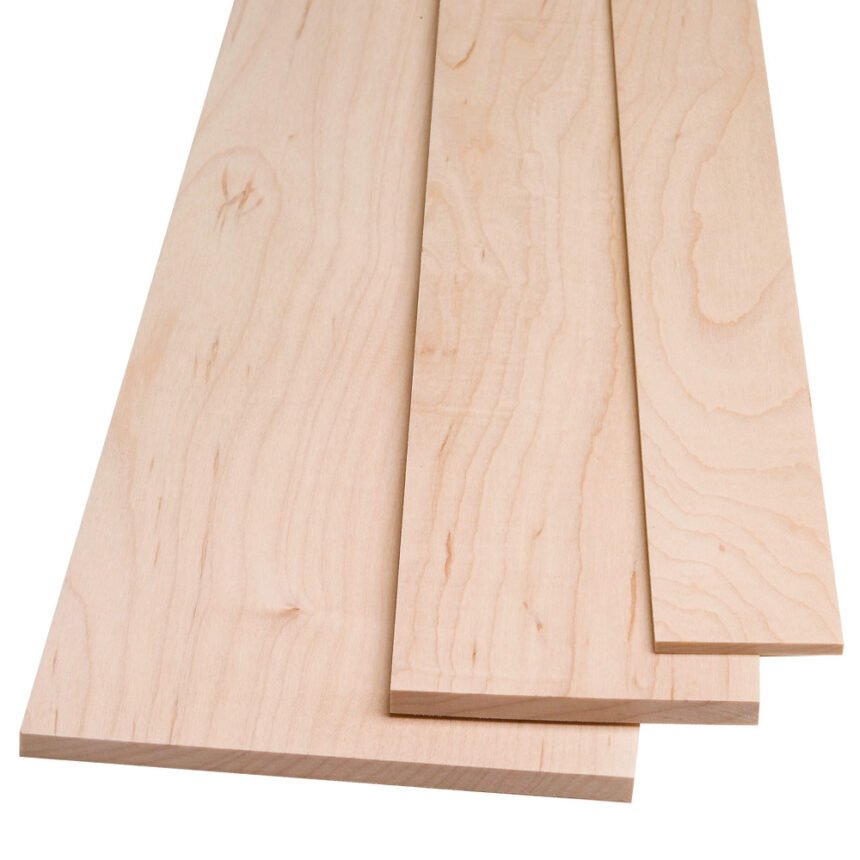
Maple wood is a popular and versatile hardwood that has been used for centuries in furniture making, cabinetry, flooring, and more. Known for its durability, attractive appearance, and wide range of applications, maple wood is one of the most sought-after choices for woodworking projects. Whether you’re a professional woodworker, a DIY enthusiast, or someone looking to add a touch of natural beauty to your home, maple wood offers a variety of benefits.
In this article, we’ll explore what maple wood is, its different types, uses, characteristics, and how to care for it. We’ll also cover why it remains one of the top choices for woodworkers and homeowners alike.
What is Maple Wood?
Maple wood comes from the maple tree, which belongs to the genus Acer. This deciduous tree species is found primarily in North America and parts of Europe and Asia. There are two main types of maple wood: hard maple and soft maple. Each type has unique characteristics that make it suitable for different purposes.
Hard Maple vs. Soft Maple
Hard Maple (Sugar Maple)
Hard maple, often referred to as sugar maple (Acer saccharum), is the stronger and denser variety of maple wood. It is most commonly used for furniture, cabinetry, and flooring due to its durability and resistance to wear and tear. The wood has a smooth texture and light color, often with a subtle reddish tint.
Characteristics of Hard Maple:
-
Color: Light cream or off-white with a reddish or golden hue.
-
Density: Denser than soft maple, making it more durable.
-
Strength: Strong and highly resistant to impact, which makes it ideal for heavy-use furniture and kitchen items.
Soft Maple (Red Maple)
Soft maple, on the other hand, is typically softer and lighter than hard maple. It’s more flexible, making it easier to work with, but it’s not as durable as hard maple. It’s commonly used for furniture, cabinetry, and some decorative wood pieces, but it may not be the best choice for high-traffic areas or outdoor use.
Characteristics of Soft Maple:
-
Color: Lighter in appearance, ranging from light cream to pale red or brown.
-
Density: Softer and lighter than hard maple, which makes it easier to cut and shape.
-
Flexibility: Offers more flexibility, making it easier to work with in less demanding applications.
Characteristics of Maple Wood
Maple wood has several standout features that make it a favorite in woodworking. Here are some of the key characteristics:
Durability and Strength
One of the most appealing traits of maple wood, particularly hard maple, is its durability. It’s highly resistant to abrasions, dents, and scratches, which is why it’s commonly used for kitchen cabinets, floors, and high-traffic furniture. This durability also ensures that maple wood can last for years, even in environments that experience a lot of wear and tear.
Attractive Grain and Texture
Maple wood features a fine, even grain, making it easy to work with and finishing smoothly. Its subtle patterns often include straight lines, but it can also have wavy or curly grain patterns, particularly in figured varieties like curly maple or bird’s-eye maple. These unique patterns add a beautiful touch to any project, especially in fine furniture and cabinetry.
Light Color
The light, pale color of maple wood makes it a popular choice for those looking for a clean, modern aesthetic. The light cream tones can be accented with stains or left in their natural state, giving the wood a bright and fresh appearance. Over time, maple can darken slightly, gaining a rich patina that enhances its character.
Workability
While hard maple is known for its strength, it can also be difficult to cut and shape due to its density. Soft maple, however, is much easier to work with, which makes it a good choice for projects that require intricate detailing or shaping. Both types of maple can be sanded, stained, and finished smoothly, making them ideal for woodworking projects.
Uses of Maple Wood
Maple wood is incredibly versatile, and its various qualities make it suitable for a wide range of applications. Whether you’re looking to build furniture or create a piece of art, maple is a great option. Let’s look at some of the most common uses of maple wood.
Furniture
Maple wood is often used for crafting furniture because of its durability, smooth grain, and ability to accept stains and finishes beautifully. It’s a popular choice for making items like tables, chairs, cabinets, and dressers. Whether you opt for the classic beauty of hard maple or the flexibility of soft maple, you can trust that the furniture will be strong and long-lasting.
Cabinetry
Maple’s fine grain and light color make it an ideal choice for cabinets, especially in modern kitchens and bathrooms. The wood’s versatility means that it can be stained or left natural, depending on the desired look. Hard maple is particularly prized for cabinetry because of its strength and resistance to wear, making it perfect for high-use areas like kitchens.
Flooring
Hard maple is also a popular material for flooring, especially in commercial spaces, gyms, and sports courts. Its durability and strength make it resistant to scratches and dents, and it can withstand heavy foot traffic. Maple flooring can be finished with a variety of stains, from light to dark, allowing it to complement a wide range of interior designs.
Wooden Items and Accessories
Beyond large furniture pieces, maple wood is often used for crafting smaller wooden items, such as cutting boards, kitchen utensils, and musical instruments. The hardness and durability of maple ensure that these items can stand up to daily use while maintaining their functionality and beauty.
Syrup Production
Aside from its use in woodworking, maple trees are also the source of maple syrup, one of the most beloved sweeteners in the world. Sugar maples, in particular, are tapped for their sap, which is then boiled down to produce syrup. This agricultural use of the tree has been practiced for centuries and continues to be an important industry in places like Vermont and Canada.
Advantages of Maple Wood
Maple wood offers a wide variety of advantages, making it one of the top choices for both professional woodworkers and DIY enthusiasts.
Sustainability
Maple trees are abundant and fast-growing, making maple wood an environmentally friendly option. It’s readily available, and many maple forests are sustainably managed to ensure the health of the ecosystem. Choosing maple wood is a great way to contribute to sustainable practices while still enjoying the beauty and durability of hardwood.
Affordability
Compared to some other hardwoods, maple wood is relatively affordable. While it may cost more than softwoods like pine or spruce, it’s generally less expensive than premium hardwoods like cherry or oak. Its versatility and affordability make it an excellent choice for a wide range of projects.
Versatile Aesthetic
Whether you prefer a rustic, natural look or a sleek, modern finish, maple wood can accommodate various design styles. Its light color, fine grain, and smooth texture make it easy to finish in different ways, including staining, painting, or leaving it natural. Maple’s versatility ensures that it can be used in both traditional and contemporary designs.
How to Care for Maple Wood
To keep maple wood looking its best, proper care and maintenance are essential. Here are some tips to help you maintain the beauty and longevity of your maple furniture, cabinetry, or flooring.
Cleaning
To clean maple wood, use a soft cloth and mild soap or wood cleaner. Avoid harsh chemicals or abrasive cleaners that can damage the wood’s finish. Regularly dusting the wood will help keep it free from dirt and debris.
Avoiding Scratches
Maple wood is durable, but it’s not impervious to scratches. To protect the surface, consider using felt pads under furniture legs and placing rugs or mats in high-traffic areas. Also, avoid dragging heavy objects across the surface.
Protecting from Moisture
Wood can be susceptible to moisture damage, so it’s important to keep maple furniture away from direct sources of water. Use coasters, trays, or placemats under beverages to prevent rings or stains from forming.
Refinishing
Over time, maple wood may need to be refinished to restore its appearance. If the wood becomes worn or scratched, you can sand it down and apply a new coat of finish. This will restore its smooth texture and fresh look.
Conclusion
Maple wood is a versatile and durable material that continues to be a favorite among woodworkers and homeowners alike. Whether you choose hard maple for its strength and durability or soft maple for its flexibility, you can trust that maple wood will provide beauty and functionality to your projects. From furniture and cabinetry to flooring and accessories, maple wood’s fine grain, light color, and strength make it a perfect choice for a wide range of applications.
If you’re looking for a sustainable, attractive, and affordable hardwood option for your next woodworking project, look no further than maple wood. With proper care and maintenance, it will continue to serve you for many years to come, making it a worthwhile investment in both quality and style.