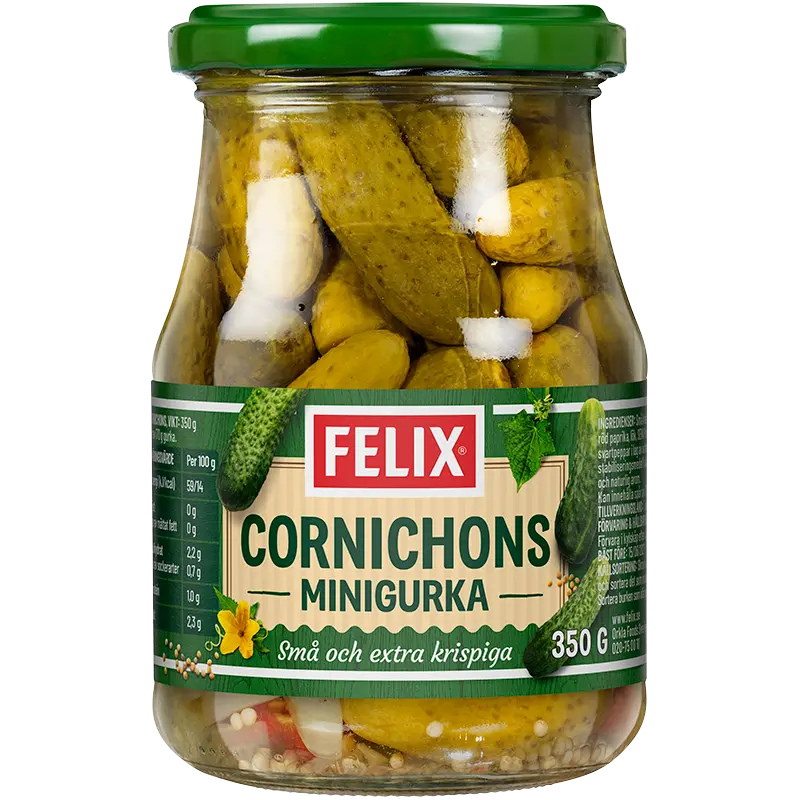
Cornichons, those small, tangy, and crunchy French pickles, are an often-overlooked delight in the world of preserved foods. Their unique flavor, perfect balance of sour and salty, and versatility in both culinary uses and as a snack make them a standout ingredient. Whether you’re a food enthusiast looking to discover new flavors or someone searching for the perfect ingredient to elevate your dishes, this guide to cornichons will help you understand what they are, how to use them, and why they’ve become a beloved ingredient in kitchens worldwide.
What Are Cornichons?
A Tiny Pickle with a Big Taste
Cornichons are a type of French pickle made from small cucumbers that are typically about the size of a finger or smaller. Unlike the larger, more common varieties of pickles, cornichons are harvested when they are still young, tender, and less than 3 inches long. Their small size makes them an ideal addition to charcuterie boards, salads, or as an accompaniment to meats.
What sets cornichons apart from traditional pickles is their unique preparation and flavor profile. They are pickled in a brine made with vinegar, salt, and herbs like tarragon and mustard seeds, often along with spices such as garlic and dill. This gives them a sharper, tangier, and more complex flavor compared to other types of pickles.
Origin of Cornichons
Cornichons have a rich history and are most closely associated with French cuisine. The word “cornichon” itself is derived from the French word for “small horn,” which refers to their tiny, curved shape. They have been used in France for centuries as a way to preserve cucumbers and add flavor to meals.
While they originated in France, their popularity has spread worldwide, particularly in European and North American culinary traditions. Cornichons are commonly served alongside pâtés, foie gras, and other charcuterie, often as a delightful contrast to rich and fatty foods.
How Are Cornichons Made?
The Process of Pickling
The making of cornichons is quite similar to the pickling process used for other cucumbers, but with a few distinctions that contribute to their unique taste and texture.
Selecting the Cucumbers
To create authentic cornichons, it’s essential to select the right type of cucumber. These cucumbers are small, firm, and have a thin skin. The most commonly used variety is the Kirby cucumber, which is known for its crisp texture and small size. It’s important to choose cucumbers that are still young and tender.
Washing and Cutting
The cucumbers are thoroughly washed to remove any dirt or debris. If needed, the ends of the cucumbers may be trimmed to ensure uniformity. Unlike traditional pickles, cornichons are left unpeeled, which contributes to their crunchy texture.
Brining and Flavoring
Cornichons are typically pickled using a vinegar-based brine. The brine is made by combining white vinegar, water, salt, and a variety of herbs and spices. Common flavorings include tarragon, mustard seeds, garlic, dill, and bay leaves. The cucumbers are submerged in this brine and left to soak for several days or weeks.
Step 4: Bottling and Storage
Once the cucumbers have absorbed the brine and developed their distinct flavors, they are jarred and sealed. In some cases, the jars are pasteurized to extend shelf life. However, in many artisanal preparations, the pickles are left unpasteurized to maintain their crispness and fresh flavor.
How to Use Cornichons in Your Cooking
A Versatile Ingredient for Any Meal
Cornichons’ sharp, tangy flavor makes them a great addition to a variety of dishes. Their small size and crunchy texture make them a perfect match for charcuterie boards, where they provide a contrast to rich, fatty meats such as pâtés, terrines, and sausages.
In Salads
Cornichons can be finely chopped and added to salads to provide an extra burst of flavor. They pair especially well with potato salads, coleslaw, or mixed green salads, offering a crunchy contrast to softer ingredients.
As a Condiment
Just like traditional pickles, cornichons can be used as a condiment for burgers, sandwiches, and hot dogs. Their small size makes them easy to slice and layer into any dish. They can also be chopped and added to relishes or sauces, enhancing the flavor with their zesty notes.
In French Cuisine
Cornichons are a classic accompaniment to French dishes like pâté, charcuterie, and cheese plates. In many French bistros and restaurants, cornichons are served alongside meats and cheeses as a palate cleanser. Their acidity cuts through the richness of fatty meats like foie gras or rillettes, balancing the overall flavors.
In Garnishes and Cocktails
Cornichons are also great garnishes for cocktails, especially those made with gin or vodka. In a Martini or Bloody Mary, a cornichon adds a twist of flavor and enhances the drink’s presentation. The bright green color and unique texture make them a stand-out garnish.
Health Benefits of Cornichons
Low in Calories and Rich in Antioxidants
One of the appealing aspects of cornichons is that they are low in calories, making them a guilt-free snack option. A typical serving of cornichons is just a few calories, making them ideal for those watching their calorie intake.
In addition to being low in calories, cornichons also offer some nutritional benefits. They are rich in antioxidants, which help protect the body from free radicals. The vinegar used in the pickling process has also been shown to offer some health benefits, including aiding digestion and stabilizing blood sugar levels.
High in Sodium
However, it’s important to keep in mind that cornichons are also high in sodium due to the pickling process. For individuals watching their sodium intake for health reasons, it’s a good idea to consume cornichons in moderation.
How to Store Cornichons
Shelf Life and Storage Tips
Cornichons can be stored in their original jar for up to several months, especially if they are unopened. Once opened, they should be refrigerated and consumed within a few weeks to maintain their crisp texture and flavor.
If you’ve made your own cornichons at home, they should be stored in a cool, dark place and refrigerated once opened. Homemade cornichons without preservatives may not last as long as store-bought varieties, so it’s best to consume them relatively quickly.
Freezing Cornichons
While it’s not common to freeze cornichons, they can be frozen if necessary. However, freezing may alter their texture, making them less crunchy once thawed. Freezing is usually only recommended if you have a large quantity of cornichons and cannot consume them in time.
Where to Buy Cornichons
Locating Cornichons in Stores
Cornichons can be found at most grocery stores, especially those with a well-stocked international foods section. Look for them in the pickles and condiments aisle or the specialty food section. They are often sold in glass jars, and you can choose between various brands, from artisanal to mass-market options.
If you’re in search of high-quality, homemade-style cornichons, consider visiting specialty food stores, French markets, or local delis. These stores often carry artisanal pickles that are made with traditional methods and offer superior flavor and texture.
Online Shopping
If you’re unable to find cornichons locally, many online retailers, such as Amazon, will ship jars of cornichons to your doorstep. Look for options with good reviews to ensure you’re getting a high-quality product.
Conclusion
Cornichons are a unique and flavorful type of pickle that can add a delightful tang to a wide range of dishes. From being a classic accompaniment to charcuterie to enhancing the flavors of salads and cocktails, these small pickles offer big flavor in a tiny package. Whether you’re making them at home or purchasing them from a store, cornichons are a versatile and delicious addition to your kitchen.
Their rich history in French cuisine, combined with their health benefits and culinary versatility, makes them a must-try for food lovers looking to elevate their meals. Next time you’re creating a meal or snack, consider adding a few cornichons for that perfect touch of flavor and crunch!