You wake up at 2 a.m., heart racing, drenched in sweat, and desperately kicking off the covers — only to feel chilled minutes later. If this sounds familiar, you’re not alone. Millions of people deal with night sweats and hot flashes that fragment their sleep night after night, leaving them exhausted and frustrated before the day even begins.
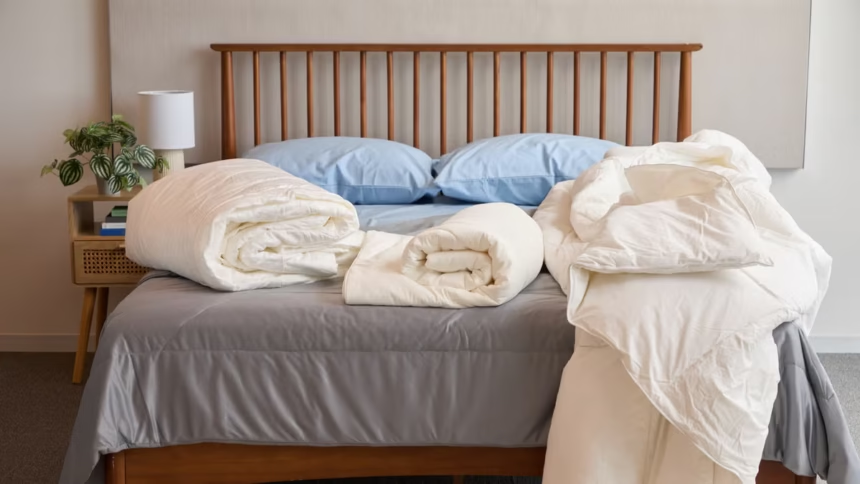
The good news is that the right bedding can make a dramatic difference. Cooling sheets and cooling comforters have emerged as two of the most effective solutions for hot sleepers, each working in distinct ways to regulate body temperature and keep you comfortable throughout the night. Cooling sheets tackle heat at the point of direct skin contact, using breathable, moisture-wicking fabrics to draw warmth away from your body. Cooling comforters, on the other hand, manage the thermal environment of your entire sleep space, offering lightweight insulation without trapping heat.
But which one is right for you — or do you need both? This article breaks down how each option works, what to look for when choosing, and how to build a bedding setup that finally lets you sleep through the night without waking up soaked and overheated.
Understanding Hot Flashes and Night Sweats
Hot flashes and night sweats are more than just minor inconveniences — they’re physiological events that can shatter your sleep cycle and leave you feeling drained. A hot flash is a sudden wave of intense heat, often accompanied by flushing and rapid heartbeat, that can strike during the day or jolt you awake at night. When these episodes happen during sleep, the result is night sweats: drenching perspiration that soaks your pajamas and bedding, followed by an uncomfortable chill as your body temperature drops again.
While menopause is the most commonly cited cause, night sweats affect a much broader population. Hormonal fluctuations, certain medications, thyroid disorders, anxiety, and even alcohol consumption can all trigger excessive nighttime sweating in both men and women. For hot sleepers — people who naturally run warm regardless of underlying conditions — the problem is compounded by a body that simply struggles to shed heat efficiently in a typical sleep environment.
The consequences go beyond discomfort. Fragmented sleep caused by temperature dysregulation is linked to reduced cognitive function, mood disturbances, and weakened immune response. The more frequently you wake up overheated, the harder it becomes to reach the deep, restorative sleep stages your body needs. This is where bedding for hot flashes becomes a genuinely therapeutic tool. The materials surrounding your body during sleep directly influence skin temperature and moisture levels, meaning the right sheets and comforters can help your body maintain a stable core temperature — reducing the frequency and intensity of nighttime wake-ups and giving you a real shot at sleeping through the night.
Cooling Sheets: Features and Benefits for Hot Sleepers
Cooling sheets are specifically engineered to address what regular cotton or polyester bedding cannot: the rapid buildup of body heat and moisture that turns your bed into an uncomfortable, sweat-soaked environment. Rather than trapping warmth against your skin, these sheets are designed to actively move heat and moisture away, keeping the surface temperature lower throughout the night.
The materials make all the difference. Bamboo-derived fabrics, particularly bamboo viscose and bamboo lyocell, are among the most popular choices because they combine exceptional softness with natural moisture-wicking properties. Tencel, a branded form of lyocell made from eucalyptus wood pulp, is another standout — it’s highly breathable, temperature-regulating, and gentle on sensitive skin. Some cooling sheets incorporate synthetic moisture-wicking blends or phase-change materials that absorb excess heat when your body temperature spikes, then release it gradually as you cool down.
For hot sleepers, the benefits are immediate and practical. Cooling sheets reduce the clammy, sticky sensation that wakes you up mid-cycle by pulling sweat away from your skin before it saturates the fabric. Their open weave structures and lightweight construction promote airflow across the entire sleep surface, which helps your body shed heat through natural convection. This is especially valuable during the drop phase of a hot flash, when your body swings from overheated to chilled — breathable sheets help moderate that transition rather than amplifying it.
Hot sleeper bedding should prioritize thread count in the right range: somewhere between 200 and 400 for most cooling fabrics. Higher thread counts in cotton, for instance, can actually reduce breathability by creating a denser weave. When shopping, look for OEKO-TEX certification, which confirms the fabric is free of harmful chemicals — an important consideration since you’re spending eight hours in direct contact with it every night.
Cooling Comforters: Features and Benefits for Temperature Control
Where cooling sheets manage heat at the skin level, a cooling comforter takes a broader approach — regulating the thermal environment of your entire sleep space. Traditional comforters, especially those filled with heavy down or synthetic batting, act like an insulating shell that traps body heat and prevents it from escaping. Cooling comforters are engineered to do the opposite: provide just enough warmth for comfort while allowing heat to dissipate freely throughout the night.
The fill material is the defining factor. Lightweight down alternative fills made from gel fiber or microfiber clusters offer a lofty, cloud-like feel without the heat retention of traditional down. Some cooling comforters use breathable cotton or Tencel shells combined with open-cell foam inserts or moisture-wicking fill that actively pulls humidity away from the sleep surface. These constructions allow warm air to escape rather than circulate back toward your body, which is exactly what hot sleepers need during the peak hours of deep sleep when core body temperature naturally rises.
One significant advantage cooling comforters hold over standard bedding is their year-round versatility. Because they provide insulation without overheating, they work effectively in both air-conditioned summer bedrooms and cooler winter nights — eliminating the seasonal bedding swap that many households rely on. For people who share a bed with a partner who runs cold, a cooling comforter strikes a practical middle ground, offering enough warmth for comfort without triggering overheating episodes.
When paired with cooling sheets, a cooling comforter creates a complete thermal management system: the sheets handle moisture and direct skin contact while the comforter governs the ambient temperature beneath the covers. This layered approach is particularly effective for people whose night sweats are severe enough that addressing only one layer of bedding doesn’t provide lasting relief.
How to Choose Between Cooling Sheets and Cooling Comforters
Choosing between cooling sheets and a cooling comforter isn’t always an either/or decision — but understanding how each addresses your specific sleep challenges will help you spend wisely and sleep better. The most important starting point is an honest assessment of your night sweats. If you primarily wake up feeling clammy and sticky with damp fabric against your skin, cooling sheets should be your first investment. If you tend to overheat under the covers but don’t experience heavy moisture buildup, a cooling comforter may deliver more noticeable relief.
Room temperature and climate play a significant role as well. Sleepers in warmer climates or those without air conditioning benefit most from the airflow and moisture management that cooling sheets provide. Those in variable climates — where bedroom temperatures fluctuate between seasons — often find that a cooling comforter offers the flexibility to stay comfortable year-round without constant bedding changes. Budget-conscious shoppers should prioritize sheets first, since they make direct skin contact and have the most immediate impact on how hot you feel during sleep.
For severe night sweats, layering both is the most effective strategy. Think of it as building a thermal management system: cooling sheets handle sweat at the skin surface while the comforter prevents ambient heat from accumulating beneath the covers.
Step-by-Step Guide to Selecting the Right Bedding
Start by identifying your specific triggers — hormonal, environmental, or habitual — since this shapes which product feature matters most. Next, compare material properties directly: bamboo and Tencel sheets excel at moisture-wicking, while gel-fiber comforter fills prioritize breathable insulation. Third, factor in your climate and season; if you sleep in a consistently warm room, lightweight breathability outweighs insulation value. Finally, read verified reviews from other hot sleepers rather than relying solely on brand marketing — real-world feedback on heat retention after repeated washing is far more reliable than fabric descriptions alone.
Luxury Cooling Bedding Options and Brand Spotlight
For hot sleepers who want the most advanced sleep experience available, luxury cooling bedding represents a meaningful step beyond standard moisture-wicking fabrics. High-end options typically feature proprietary temperature-regulating technologies — think phase-change material infusions, ultra-fine Tencel weaves, or sustainably sourced long-staple bamboo that delivers both exceptional softness and superior heat dissipation. These materials are engineered to tighter tolerances, meaning their cooling performance holds up wash after wash rather than degrading over time like budget alternatives often do.
Breescape Home is one brand that has carved out a distinct position in the luxury cooling bedding space. Their products are designed specifically around the needs of hot sleepers and night sweat sufferers, combining breathable shell fabrics with advanced fill constructions that prioritize airflow without sacrificing the plush comfort most sleepers expect from premium bedding. What sets Breescape Home apart is the attention to whole-system design — their sheets and comforters are developed to work together as a cohesive thermal management layer rather than as isolated products. For discerning hot sleepers, that kind of intentional engineering translates directly into fewer nighttime wake-ups and a more consistently comfortable sleep surface from the first night onward. Investing in luxury cooling bedding isn’t just about indulgence — it’s about choosing materials and construction quality that genuinely deliver on their promise over the long term.
Choosing the Right Cooling Bedding for Better Sleep
Night sweats and hot flashes don’t have to mean resigning yourself to fragmented, exhausting sleep. As this article has shown, the bedding surrounding you plays a direct and measurable role in how well your body manages temperature throughout the night — and both cooling sheets and cooling comforters offer distinct, complementary advantages worth understanding.
Cooling sheets are your first line of defense, addressing moisture and heat at the point of direct skin contact through breathable, wicking fabrics like bamboo and Tencel. Cooling comforters take a wider view, managing the thermal environment beneath the covers so heat doesn’t accumulate and disrupt your sleep cycle. For moderate night sweats, starting with quality cooling sheets delivers the most immediate return. For severe or persistent overheating, layering both creates a complete system that addresses the problem from multiple angles.
The right choice ultimately comes down to your specific triggers, your climate, and how intensely heat disrupts your sleep. Take time to honestly assess your current bedding setup — if you’re waking up drenched, sticky, or chilled multiple times a night, that’s a clear signal your bedding is working against your body rather than with it. Investing in purpose-built cooling bedding, whether that means a single set of breathable sheets or a fully coordinated luxury system like those offered by Breescape Home, is one of the most practical steps you can take toward consistently restorative sleep. Better nights start with smarter choices about what you sleep in — and that change is entirely within your reach.