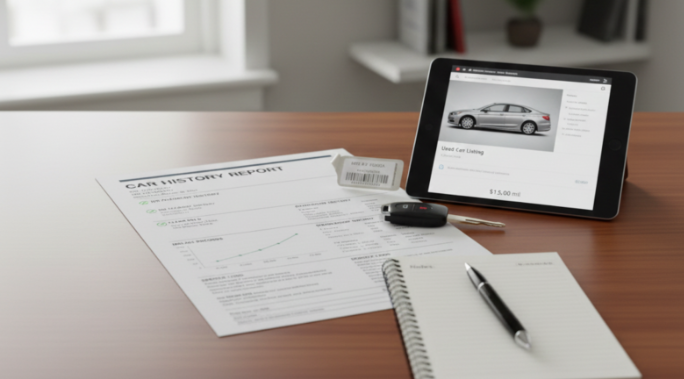
Shopping for a used car feels exciting. You scroll through pictures, read descriptions, imagine driving it. But behind glossy ads and clean photos, some cars hide problems. A solid history check can save you from nasty surprises. A cheap Carfax-style report can give you much of the same truth as a pricey full report but if you know how to read it.
The cheap version won’t have every little note, but it still shows what matters most. It helps you spot accidents, title problems, hidden mileage issues, repair histories and more. Treating it as a tool, not a guarantee and it gives you a real edge when you examine cars.
Why Accident History Matters, Even When the Car Looks Perfect
A lot of damage can be hidden. Fresh paint, new bumpers, replaced lights and it all covers up what happened before. But whenever a car was repaired after a crash, filed for insurance, or taken to a shop for structural fixes, there’s often a record. That record shows up in a decent history check.
This matters because serious past accidents can affect how a car drives later. The alignment may be off. The frame may be weak. A good history check lets you see when crashes happened, how serious they were, and whether airbag deployment or total-loss insurance claims were involved. It reveals more than you can see with your eyes.
Often, sellers don’t mention these issues, especially for “minor” damage. But minor damage left unrepaired or fixed cheaply often leads to long-term problems. A history check catches that truth before you commit.
Title Warnings That Save You From Legal or Hidden Problems
Think of title history like a car’s legal record. Clean titles show history is clear. Branded titles salvage, flood, rebuilt, total loss can tell a different story. These indicate serious events that can affect safety, value, and resale chances.
Cheap history reports often include those title flags. Because they pull from state and insurance databases, you can see titles that are marked as “salvage,” “rebuilt,” or “flood.” That knowledge changes everything. A car that looks clean at first glance becomes risky. In many cases, it’s better to walk away than try to negotiate a lower price.
Flood damage is especially sneaky. Water can ruin wiring, cause rust and hide long-term problems that only surface years later. A flood title or flood history entry is a red flag no buyer should ignore.
Mileage History: Why the Odometer Is Not Enough
Most people glance at the odometer and assume it’s truthful. But odometer tampering is real. Rollbacks are common. In some cases, sellers try to lower the displayed mileage before sale.
A cheap history report tracks mileage entries from service records, inspections and past registrations. When those entries show a steady rise, you know the odometer reading is probably accurate. But if the data shows a drop or if records skip long periods, you know something is off.
Mileage doesn’t guarantee a perfect car, but it reveals whether a seller’s claim matches reality. Overstated mileage can help a seller ask less. Understated mileage helps them get more. Either way, a history check shows you the real story behind those numbers.
Previous Owners and Usage Patterns Tell a Story
The number of times a car exchanged hands matters. Frequent changes can indicate problems. Maybe the previous owner had trouble with the car. Maybe it broke down often. Maybe its upkeep was expensive. When ownership changes fast, that’s a warning.
A report that shows many owners within a short time or transfers between states and it should make you cautious. Sellers rarely highlight this. But you see it when you check history. If a car moved across regions or changed owners often, think about stress, repairs, and unknown usage before you buy.
Repair and Service History That Beats a Seller’s Word
Good sellers may hand you some maintenance receipts. But few have a full log. A history report collects data from many sources. It shows oil changes, brake work, accident repairs, inspection history, and more.
That log matters. A car with regular service entries probably had care and attention. Long gaps or missing entries signal neglect or uncertainty. Even if appearance is good, hidden wear may exist. A cheap history check puts facts in front of you instead of promises.
Why a Cheap Report Is Often Enough, If You Read It Carefully
Not every history report shows everything. But a cheap version usually covers accidents, title history, mileage, owner transfers, and basic repair entries. For the price, that’s a lot of insight. Many used cars fail at least one of these points. A single “yes” to a serious accident, salvage title, or mileage rollback is enough to walk away.
If you treat a cheap report as a screening tool not a final stamp of approval then it becomes valuable. It filters out trouble cars, narrows down your list, and helps you focus only on the ones worth seeing in person. That saves time, effort, and risk.
What You Should Do Before You Buy, Use the Report as Your Shield
Whenever you see a listing, ask for the VIN. Run a history check. Read through every entry. Look not just for red flags, but for consistency. Compare mileage entries, check title history, inspect repair logs if present. Combine what you see with a visual inspection. Ask questions. Let the data support your decisions.
Treat the report like a flashlight and let it light up the dark parts of a car’s past. If something looks suspicious, skip the car. If it looks clean, you still go in alert but confident. That way you stay alert and it is not hopeful.
A used car can be a real bargain, but only if you pay attention to its history. A cheap Carfax-style report gives you a clear view without draining your budget. It doesn’t guarantee a perfect car, but it shows the truth you need before you sign papers, hand over cash, or drive off.