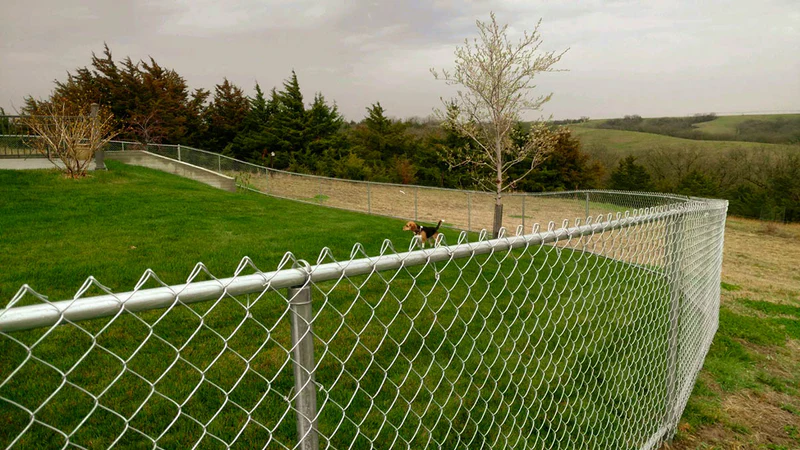
A chain and link fence, often referred to as a chain-link fence, is one of the most commonly used types of fencing. It offers a combination of durability, flexibility, and affordability, making it a popular choice for a variety of applications. Whether you’re looking to install a fence for your home, business, or industrial site, this guide will explore everything you need to know about chain and link fences, including their benefits, installation, maintenance, and variations.
What is a Chain and Link Fence?
A chain and link fence is a type of fencing made from woven steel wire that creates a diamond pattern. These fences are known for their simple yet sturdy structure, often installed with posts at regular intervals to provide stability. The wires are typically galvanized or coated with PVC to protect against rust and corrosion, making them ideal for outdoor use.
Key Features of a Chain and Link Fence
-
Durability: Chain-link fences are known for their long-lasting qualities. When properly maintained, they can last for decades.
-
Affordability: Compared to other types of fences like wooden or vinyl, chain-link fences are much more cost-effective.
-
Security: Though not as private as wood fences, chain-link fences provide good security, especially when topped with barbed wire or razor wire.
-
Low Maintenance: Once installed, chain-link fences require minimal upkeep, making them a convenient choice for many homeowners and businesses.
Types of Chain and Link Fences
While the basic design of a chain-link fence remains relatively consistent, there are several types and variations to consider. The choice you make will depend on factors such as the level of security you require, aesthetic preferences, and your budget.
Galvanized Chain-Link Fence
A galvanized chain-link fence is one of the most common types. The wire is coated with a layer of zinc, which protects the fence from rust and corrosion. These fences are ideal for residential properties, schools, and parks.
Vinyl-Coated Chain-Link Fence
For those looking for a more aesthetically pleasing option, a vinyl-coated chain-link fence may be the right choice. The steel wire is coated with a layer of vinyl, which not only enhances the fence’s appearance but also provides an additional layer of protection against the elements. Vinyl-coated fences come in various colors, such as green, black, or brown.
Barbed Wire Chain-Link Fence
For higher security, a barbed wire chain-link fence is often used. This type includes barbed wire at the top of the fence, which acts as a deterrent to intruders. This is a common choice for commercial properties, prisons, and high-security areas.
Razor Wire Chain-Link Fence
Razor wire is similar to barbed wire but is much sharper, designed to cause injury to anyone attempting to scale the fence. Razor wire fences are typically installed in high-security areas, such as military facilities or government buildings.
Benefits of Installing a Chain and Link Fence
Chain-link fences come with several benefits, making them a top choice for many people and businesses. Here are some of the main advantages:
Cost-Effective
One of the biggest reasons people opt for chain-link fences is their affordability. They are much cheaper than alternative fencing options like wood or wrought iron. This makes them an attractive choice for large areas or properties on a budget.
Durable and Low Maintenance
As mentioned earlier, chain-link fences are extremely durable. Galvanized steel or vinyl coatings help protect against rust and damage. The low maintenance required means you don’t have to worry about repairs or replacements for a long time.
Security and Visibility
Chain-link fences offer a level of security, especially when combined with barbed wire or razor wire. Additionally, because of their open design, they allow for visibility, which can be both a benefit and a drawback. It’s perfect for properties that need secure boundaries but want to maintain visibility, such as sports fields or industrial sites.
Flexibility
These fences come in various heights and designs, giving you a lot of flexibility. Whether you need a low fence for a garden or a tall fence for added privacy or security, there is a solution available.
How to Install a Chain and Link Fence
Installing a chain and link fence is a relatively straightforward process, but it does require careful planning. Here are the basic steps involved in the installation process.
Plan and Measure
Before you begin, you need to measure the perimeter where you plan to install the fence. Be sure to check local zoning regulations to ensure that the fence complies with any height or material restrictions. Additionally, determine how many posts, rails, and wire rolls you’ll need.
Mark the Fence Line
Mark the locations of the fence posts along your measured perimeter. Posts should typically be spaced 6 to 10 feet apart. You can use stakes, string, or spray paint to mark the line.
Dig Post Holes
Using a post hole digger or auger, dig holes for the fence posts. The depth of the hole should be about 1/3 of the height of the post to ensure stability.
Install the Posts
Place the posts into the holes and fill them with concrete to secure them. Ensure that the posts are level and aligned properly.
Attach the Chain-Link Fabric
Once the posts are set, roll out the chain-link fabric along the line of posts. Use special tension bars to attach the fabric to the posts and make sure it is stretched tightly.
Add the Top Rails
Install the top rails by connecting them to the posts with brackets. The rails help add support and stability to the fence.
Secure the Fabric to the Rails and Posts
Finally, attach the chain-link fabric to the rails and posts, ensuring that everything is tightly secured.
Maintenance of Chain and Link Fences
Although chain-link fences are known for their durability, regular maintenance can extend their lifespan and keep them looking their best.
Cleaning the Fence
Chain-link fences can accumulate dirt, debris, and rust over time. To clean the fence, use a mild detergent and a soft brush or cloth to remove dirt. For tougher stains or rust, a power washer or steel wool can be used.
Inspect for Damage
Check the fence periodically for any signs of damage, such as bent wires or broken posts. If any parts of the fence are damaged, repair or replace them immediately to prevent further issues.
Lubricate Moving Parts
If your chain-link fence has gates or locks, it’s important to lubricate these moving parts periodically to ensure they operate smoothly.
Treat Rust
In the case of galvanized fences, rust can eventually develop, particularly at the points where the coating has worn away. If you notice rust, sand down the affected areas and apply a rust-resistant paint or coating.
Conclusion
A chain and link fence is an excellent choice for those seeking an affordable, durable, and secure fencing solution. With a wide variety of options available, from basic galvanized to vinyl-coated or even barbed wire styles, you can find the right fit for your needs. While installation is relatively simple, regular maintenance will ensure that your fence lasts for years to come. Whether you’re installing it for a residential property, business, or industrial site, a chain-link fence offers both practicality and value.