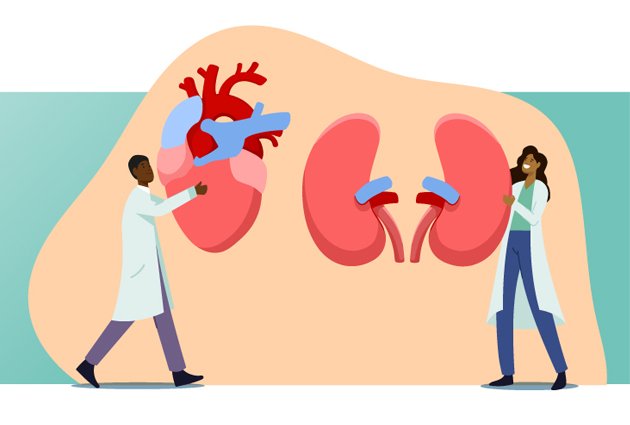
The human heart and kidneys work in close coordination to maintain blood circulation, fluid balance, and overall metabolic stability. When one of these vital organs begins to fail, it often places significant strain on the other. This interdependence is most clearly seen in Cardiorenal Syndrome, a medical condition where dysfunction in the heart or kidneys triggers deterioration in the other organ. Understanding this syndrome is essential for clinicians and patients alike, as early recognition can significantly improve outcomes.
Cardiorenal syndrome is not a single disease but a spectrum of disorders that involve complex physiological interactions. It affects millions of people worldwide, particularly those with chronic heart disease, kidney disease, diabetes, or hypertension. This article explores the condition in depth, offering a clear, professional, and non-promotional explanation of its mechanisms, types, diagnosis, and management strategies.
What Is Cardiorenal Syndrome?
Cardiorenal syndrome (CRS) refers to a group of disorders in which acute or chronic dysfunction of the heart or kidneys induces dysfunction in the other organ. The condition highlights the bidirectional relationship between these two systems, where impaired blood flow, hormonal imbalance, and inflammatory responses play critical roles.
In healthy individuals, the heart pumps oxygen-rich blood while the kidneys filter waste and regulate fluid and electrolytes. When this balance is disturbed, compensatory mechanisms activate. Over time, these mechanisms can become harmful, leading to progressive organ damage. CRS often complicates treatment decisions, as therapies aimed at improving one organ may worsen the other if not carefully managed.
The Five Types of Cardiorenal Syndrome
Medical experts classify cardiorenal syndrome into five distinct types based on which organ is affected first and whether the condition is acute or chronic.
Type 1: Acute Cardiorenal Syndrome
This type occurs when sudden worsening of heart function, such as acute heart failure or myocardial infarction, leads to acute kidney injury. Reduced cardiac output lowers renal perfusion, impairing kidney filtration.
Type 2: Chronic Cardiorenal Syndrome
Chronic heart conditions, including long-standing heart failure, gradually cause progressive kidney disease. Persistent low blood flow and neurohormonal activation contribute to renal damage over time.
Type 3: Acute Renocardiac Syndrome
In this form, acute kidney injury triggers acute heart dysfunction. Fluid overload, electrolyte imbalance, and inflammatory mediators can lead to arrhythmias or acute heart failure.
Type 4: Chronic Renocardiac Syndrome
Chronic kidney disease increases the risk of cardiovascular disease. Structural heart changes, hypertension, and accelerated atherosclerosis are common in this type.
Type 5: Secondary Cardiorenal Syndrome
This type results from systemic conditions such as sepsis, diabetes, or autoimmune disorders that simultaneously affect both the heart and kidneys.
Causes and Risk Factors
Cardiorenal syndrome develops due to a combination of hemodynamic, neurohormonal, and inflammatory factors. Several underlying conditions increase the risk of developing CRS.
Common causes and risk factors include:
- Chronic heart failure
- Chronic kidney disease
- Diabetes mellitus
- Hypertension
- Advanced age
- Atherosclerosis
- Sepsis or systemic infections
These factors often coexist, creating a cycle of worsening organ function that is difficult to interrupt without comprehensive medical care.
Pathophysiology: How the Heart and Kidneys Affect Each Other
The pathophysiology of cardiorenal syndrome is complex and multifactorial. Reduced cardiac output leads to decreased renal blood flow, which activates the renin-angiotensin-aldosterone system (RAAS). While initially compensatory, prolonged RAAS activation causes vasoconstriction, sodium retention, and increased cardiac workload.
At the same time, kidney dysfunction leads to fluid overload and toxin accumulation. This increases cardiac strain and promotes inflammation. Elevated cytokines and oxidative stress further damage both organs. Understanding these mechanisms is crucial for selecting appropriate treatment strategies that address both systems simultaneously.
Signs and Symptoms
Symptoms of cardiorenal syndrome vary depending on the type and severity of organ involvement. Many symptoms overlap with those of heart or kidney disease, making diagnosis challenging.
Common symptoms include:
- Shortness of breath
- Swelling in legs, ankles, or abdomen
- Fatigue and weakness
- Reduced urine output
- Rapid weight gain due to fluid retention
- Irregular heartbeat
Because symptoms can be subtle in early stages, regular monitoring is essential for high-risk individuals.
Diagnosis and Clinical Evaluation
Diagnosing cardiorenal syndrome requires a comprehensive assessment of both cardiac and renal function. Physicians rely on a combination of clinical evaluation, laboratory tests, and imaging studies.
Key diagnostic tools include:
- Blood tests for creatinine, urea, and electrolytes
- Cardiac biomarkers such as BNP or NT-proBNP
- Urine analysis to assess proteinuria and output
- Echocardiography to evaluate heart function
- Imaging studies like ultrasound or CT scans
Early diagnosis allows for timely intervention, potentially slowing disease progression and improving quality of life.
Management and Treatment Approaches
Managing cardiorenal syndrome requires a balanced and individualized approach. The primary goal is to optimize heart and kidney function without causing harm to either organ.
Medical Management
Treatment often includes careful use of diuretics, ACE inhibitors, beta-blockers, and other medications. Dosages must be adjusted based on renal function and fluid status.
Fluid and Electrolyte Balance
Maintaining appropriate fluid balance is critical. Both dehydration and fluid overload can worsen outcomes, so close monitoring is essential.
Lifestyle and Supportive Care
Patients benefit from dietary modifications, including sodium restriction, controlled fluid intake, and management of comorbid conditions such as diabetes and hypertension.
Challenges in Long-Term Care
One of the greatest challenges in managing cardiorenal syndrome is the risk of treatment-related complications. Medications that improve heart function may reduce kidney perfusion, while renal-protective strategies may strain the heart. Multidisciplinary care involving cardiologists and nephrologists is often necessary to achieve optimal results.
Future Directions and Research
Ongoing research aims to improve understanding of cardiorenal interactions and develop targeted therapies. Biomarkers, advanced imaging, and personalized medicine approaches hold promise for earlier detection and more effective management of the condition.
Conclusion
Cardiorenal syndrome represents a critical intersection between cardiovascular and renal health. Its complexity requires careful diagnosis, continuous monitoring, and coordinated treatment strategies. With improved awareness and integrated care, patients can achieve better outcomes and quality of life. For a broader understanding of kidney-related conditions linked to heart health, Cardiorenal Syndrome remains an essential area of medical focus.
Frequently Asked Questions
1. Is cardiorenal syndrome a single disease or multiple conditions?
Cardiorenal syndrome is not a single disease but a group of related conditions. It includes five different types, classified based on whether heart or kidney dysfunction occurs first and whether the condition is acute or chronic. Each type has distinct clinical features and management needs.
2. Can cardiorenal syndrome be prevented?
While it cannot always be prevented, the risk can be reduced by managing underlying conditions such as hypertension, diabetes, and heart disease. Regular monitoring, medication adherence, and healthy lifestyle choices play an important role in lowering the chances of progression.
3. Why is cardiorenal syndrome difficult to treat?
The condition is challenging because the heart and kidneys influence each other closely. Treatments that benefit one organ can sometimes worsen the other. This requires careful balancing of therapies and close medical supervision, often involving multiple specialists.
4. Who is most at risk of developing cardiorenal syndrome?
Individuals with chronic heart failure, chronic kidney disease, diabetes, or long-standing high blood pressure are at higher risk. Older adults and patients with multiple comorbidities are also more susceptible due to reduced physiological reserve.
5. Is cardiorenal syndrome a life-threatening condition?
Cardiorenal syndrome can be serious, especially if not managed properly. However, with early diagnosis, appropriate treatment, and coordinated care, many patients can stabilize their condition and maintain a reasonable quality of life over the long term.