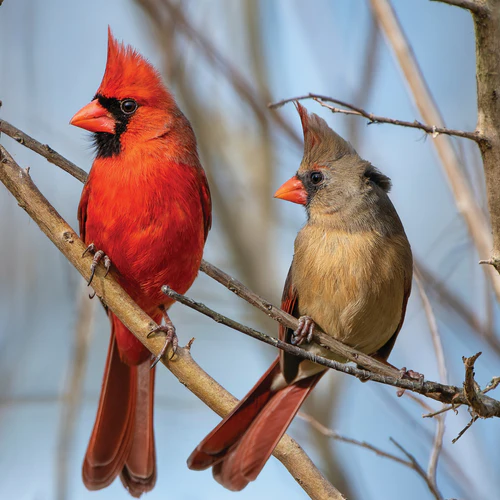
Birds are some of the most fascinating creatures on the planet, with their vibrant colors, unique behaviors, and ability to captivate the imagination of people worldwide. Among the most beloved of these creatures is the cardinal, a bird known for its striking red plumage and melodious song. For bird enthusiasts and conservationists alike, the idea of adopting a cardinal has become an engaging way to support wildlife preservation efforts and contribute to environmental sustainability.
In this article, we’ll explore the concept of “adopt a cardinal,” the significance of cardinals in the ecosystem, and how you can get involved in supporting their conservation.
What Does It Mean to “Adopt a Cardinal”?
When people talk about “adopting a cardinal,” they are typically referring to a symbolic adoption or a charitable program aimed at supporting the conservation and protection of cardinals and other bird species. It’s important to note that “adopting” a cardinal is not the same as physically taking a bird into your care, as cardinals are wild creatures. Instead, adoption programs often involve making a donation to wildlife conservation organizations that work on preserving bird species, including cardinals.
Through an adoption program, individuals can contribute funds toward the protection of cardinals, their habitats, and overall biodiversity. These programs offer a tangible way for individuals to make a difference in the lives of birds and support organizations that are actively involved in wildlife research, rehabilitation, and habitat restoration.
How Symbolic Adoption Works
In most cases, adopting a cardinal involves contributing to wildlife organizations that focus on the welfare of birds. When you adopt a cardinal symbolically, you typically receive:
-
A certificate of adoption
-
A photograph or information about the bird
-
Updates on conservation efforts or specific projects aimed at helping cardinals
-
An opportunity to learn more about the bird species, their natural habitat, and the challenges they face
While adopting a cardinal is symbolic, the financial contribution goes directly toward initiatives like bird habitat restoration, breeding programs, and research on bird populations. By participating in such programs, you help ensure that future generations can enjoy the beauty of these majestic creatures.
Why Cardinals Are Important to the Ecosystem
Cardinals, particularly the northern cardinal (Cardinalis cardinalis), are a common sight in North America, often found in woodlands, gardens, and backyards. These birds play several vital roles in the ecosystem, making their conservation efforts crucial to maintaining biodiversity.
Pollination and Seed Dispersal
One of the cardinal’s primary roles in the ecosystem is seed dispersal. Cardinals feed on a variety of seeds, including those from plants, shrubs, and trees. As they forage, they move seeds from one location to another, helping plants to spread and grow in new areas. This natural process aids in plant regeneration and ensures the health of various ecosystems, especially in forested and wooded areas where cardinals are commonly found.
Indicator of Ecosystem Health
Birds like the cardinal serve as important indicators of ecosystem health. Because they are sensitive to changes in their environment, a decline in cardinal populations can signal broader ecological issues, such as habitat destruction, pollution, or climate change. Monitoring bird populations, including cardinals, helps scientists identify environmental problems early, allowing for timely conservation interventions.
Aesthetic and Cultural Value
Cardinals are also significant for their aesthetic and cultural value. Their vibrant red color and melodic songs make them a favorite subject of birdwatchers, photographers, and nature lovers. In many cultures, cardinals are seen as symbols of love, vitality, and good fortune. They often represent hope and resilience, particularly in the winter months when their bright red plumage stands out against snow-covered landscapes.
The Decline in Cardinal Populations
While cardinals are relatively common in North America, their populations face numerous threats that jeopardize their survival. Habitat loss, climate change, and predation by invasive species are just a few of the challenges that cardinals face.
Habitat Loss and Urbanization
As cities and towns expand, the natural habitats that cardinals rely on for nesting, feeding, and shelter are increasingly being destroyed or fragmented. Urban sprawl, deforestation, and agriculture all contribute to habitat loss, leaving fewer safe spaces for cardinals to thrive.
Many cardinal populations have been displaced to less suitable areas, where food sources may be scarce, and nesting sites may be inadequate. Conservation efforts are needed to protect and restore the natural habitats where cardinals and other native bird species can thrive.
Climate Change
Climate change is another major threat to cardinal populations. Changes in temperature, precipitation patterns, and seasonal variations can disrupt the natural cycles of food availability and nesting for cardinals. Warmer temperatures may also encourage the spread of diseases or pests that affect the health of birds.
Furthermore, extreme weather events, such as hurricanes and heavy storms, can destroy cardinal nests and their surrounding habitats, making it harder for these birds to survive and reproduce.
Invasive Species
Invasive species, particularly predatory animals like cats and raccoons, pose a significant threat to cardinals. These species often prey on eggs, chicks, or adult birds, reducing cardinal populations. Invasive plants can also disrupt the native flora that cardinals depend on for food and shelter.
How to Adopt a Cardinal and Contribute to Their Conservation
If you’re passionate about protecting cardinals and supporting their conservation, participating in an adoption program is a great way to get involved. Here are some steps to take when considering adopting a cardinal:
Choose a Reputable Conservation Organization
Several organizations focus on bird conservation and offer symbolic adoption programs for birds like the cardinal. When selecting an organization, it’s essential to ensure that it has a proven track record in wildlife preservation and that funds will be used effectively. Some of the most well-known organizations include:
-
National Audubon Society
-
The Cornell Lab of Ornithology
-
BirdLife International
-
The Nature Conservancy
These organizations often offer adoption programs that support the protection of cardinals and other native bird species, as well as habitat restoration initiatives and scientific research.
Make a Financial Contribution
Adopting a cardinal typically involves making a financial donation to the chosen conservation organization. The amount varies, but donations often come with additional benefits, such as educational materials and access to updates on conservation efforts. These donations help fund crucial programs like bird habitat restoration, bird monitoring, and the protection of vulnerable species.
Participate in Bird Watching and Habitat Restoration
In addition to symbolic adoption, you can get involved in other conservation efforts by participating in bird-watching activities and supporting local habitat restoration initiatives. Birdwatching is a great way to connect with nature while contributing to citizen science efforts. Many organizations and local wildlife groups host events and programs that encourage people to get outside and learn more about their local bird populations, including cardinals.
Volunteering for habitat restoration programs, such as tree planting or invasive species removal, is another way to make a direct impact on the survival of cardinals and other birds in your area.
Educate Others About Cardinal Conservation
One of the most effective ways to support cardinal conservation is by spreading awareness. Share your knowledge about the challenges cardinals face and encourage others to get involved in wildlife protection efforts. Whether through social media, community events, or educational programs, raising awareness can inspire more people to take action and protect these beautiful birds.
Conclusion
Adopt a Cardinal is not just about making a symbolic gesture—it’s about actively contributing to the protection and preservation of one of nature’s most iconic birds. By participating in adoption programs, supporting conservation organizations, and engaging in bird-watching and habitat restoration activities, you can help ensure that cardinals continue to thrive in their natural habitats for generations to come.
Through collective efforts, we can create a more sustainable and bird-friendly world, where cardinals and other species can flourish. Whether you’re an avid birdwatcher, a nature enthusiast, or simply someone who cares about wildlife, adopting a cardinal is a meaningful way to make a positive impact on the environment.