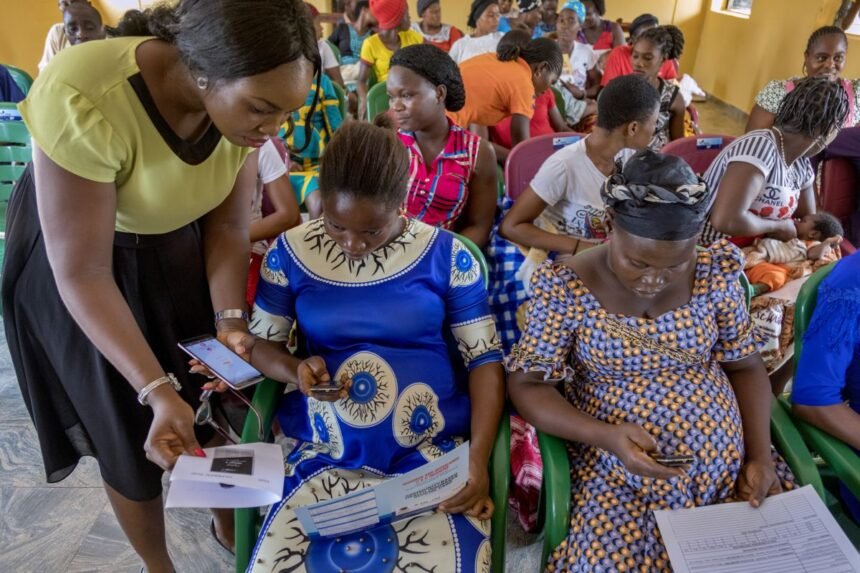
Delivering maternal, newborn, and child health (MNCH) services in rural settings presents unique challenges: dispersed households, limited connectivity, and critical care needs across pregnancy, birth, and early childhood. For NGOs and public health programs, maintaining continuity of care is difficult when information moves slowly or not at all. Effective maternal and child health tracking provides the foundation for timely follow-ups and safer care, and mobile, offline-capable tools offer a practical way to support frontline teams working in remote environments.
Why Maternal & Child Health Tracking Matters for Rural programs
Accurate, timely data underpins quality MNCH services. programs depend on reliable information to identify high-risk pregnancies, ensure antenatal and postnatal visits occur on schedule, and prevent missed immunisations. In rural contexts, however, low connectivity, paper registers, heavy caseloads, and fragmented communication often lead to delays and incomplete follow-up. These gaps increase the risk of missed danger signs and lost referrals. Offline-first mobile workflows strengthen maternal and child health tracking by keeping data flowing between communities and facilities, even when networks are unreliable.
Key Benefits and Best Practices for Maternal and Child Health Tracking
- Offline-First Workflows for Home Visits
Community health workers frequently operate beyond network coverage. With mobile tools designed for offline use, they can record Antenatal Care (ANC) and Prenatal Care (PNC) checks, danger signs, and child growth measurements during home visits without needing connectivity. Data is stored securely on the device and synced once the worker returns to coverage, ensuring maternal and child health tracking continues uninterrupted across rural catchments.
- Standardised Protocols and Decision Support
Digital workflows embed national guidelines directly into field practice. Checklists and prompts support gestational age calculations, risk screening, and immunisation schedules, helping workers consistently follow standard protocols. This reduces variation across providers and strengthens the quality of maternal and child health tracking at every point of care.
- Automated Follow-Ups and Defaulter Tracing
Missed visits are a significant barrier to continuity of care. Mobile systems schedule tasks and alerts for upcoming ANC, PNC, and immunisation appointments. Supervisors can quickly see which mothers or children are overdue and prioritise outreach. This turns maternal and child health tracking into an active process rather than a retrospective report.
- Data Quality and Validation at the Point of Care
Offline data collection tools improve accuracy through skip logic, and validation rules. These features reduce duplication across paper registers and prevent incomplete submissions. Strong data quality ensures maternal and child health tracking supports reliable reporting, evaluation, and programme improvement.
- Security, Privacy, and Compliance
MNCH data is highly sensitive. Mobile systems support role-based access, device encryption, and audit trails that protect patient information. These safeguards help programs meet regulatory and ethical standards while maintaining trust with families and frontline staff.
- Scalability and Interoperability
Effective maternal and child health tracking must grow with programs. Modular workflows scale from small pilots to district-wide deployments and integrate with HMIS or national registries through standards-based exchanges. This ensures community-level data supports broader health system planning and accountability.
Together, these practices improve continuity of care, reduce missed opportunities, and strengthen outcomes for mothers, newborns, and children.
How to Get Started
- Begin by defining MNCH goals and indicators, such as ANC and PNC coverage, immunisation completion, and referral rates for danger signs.
- Select an offline-capable mobile platform with configurable maternal and child health tracking workflows.
- Co-design forms with Community Health Workers and supervisors to keep steps simple.
- Pilot in one catchment area, monitor data quality and follow-up performance, refine processes, and then scale district-wide.
Conclusion
In rural programs, reliable maternal and child health tracking is essential to reduce missed visits, improve follow-up, and strengthen decision-making. Offline, mobile workflows enable frontline teams to deliver safer, more coordinated care despite connectivity constraints. By adopting trusted digital platforms such as Dimagi’s CommCare, organisations can build sustainable, standards-aligned MNCH systems that support mothers and children wherever they live.