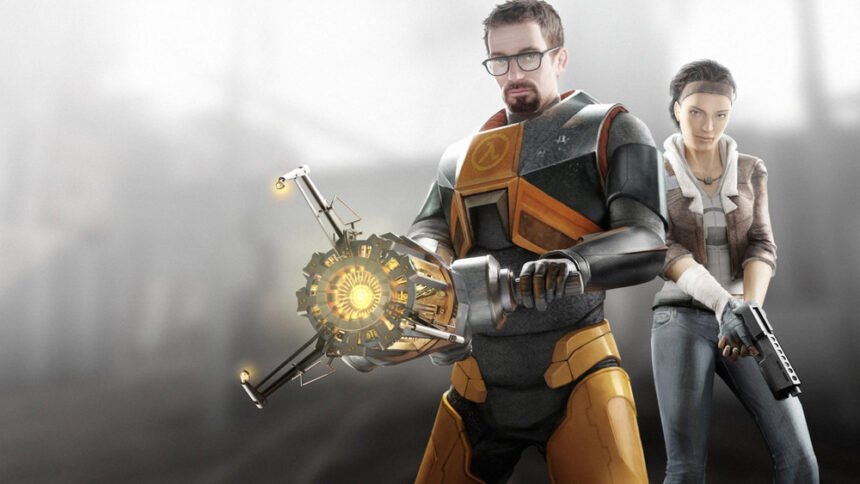
The Half-Life franchise holds a special place in the hearts of gamers worldwide. Since its debut in 1998, the series has been a pioneer in storytelling, immersive gameplay, and groundbreaking physics. After the success of Half-Life 2 and its episodic follow-ups, fans have been eagerly waiting for Half-Life 3. The game has become legendary, not just for its anticipated release, but for the mystery surrounding its development. In this article, we will explore the journey of Half-Life 3, its impact on the gaming industry, and the rumors and hopes that keep the dream alive.
The Beginnings of Half-Life
To understand the anticipation around Half-Life 3, we need to revisit the roots of the franchise. Half-Life was created by Valve, a company that had previously only worked on Team Fortress and Quake mods. The first game, Half-Life, revolutionized the first-person shooter (FPS) genre by blending intense action with narrative-driven gameplay. Unlike other shooters of the time, Half-Life featured an immersive world with rich storytelling through scripted events and environmental cues rather than traditional cutscenes.
In 2004, Half-Life 2 expanded on the original’s success by introducing advanced physics, detailed environments, and the iconic Gravity Gun. It raised the bar for FPS games, earning critical acclaim and setting the standard for modern gaming.
The Wait for Half-Life 3
After the release of Half-Life 2: Episode Two in 2007, Valve promised a continuation of the story with Half-Life 3. However, as the years passed, there was no official word on the game’s development. Fans were left wondering whether the third installment would ever come to fruition. The absence of a new Half-Life game became a cultural phenomenon, and Half-Life 3 began to take on mythical status.
Why the Delay?
There are several reasons why Half-Life 3 has remained elusive for so long. Let’s dive into the potential factors behind the game’s delay and the impact it has had on the gaming community.
Valve’s Shifting Focus
Valve, the developer behind Half-Life, is not a typical game studio. The company shifted its focus towards new ventures, such as the Steam platform, which became a global leader in digital game distribution. The success of Steam meant that Valve became less dependent on traditional game development. This shift in priorities may have played a role in the slow development of Half-Life 3.
The Pressure of Expectations
Half-Life 2 and its subsequent episodes were huge successes, both critically and commercially. This success created a significant burden of expectation for Half-Life 3. The game had to live up to the legacy of its predecessors, and Valve was not willing to release a product that didn’t meet those high standards. The pressure of delivering a perfect sequel may have contributed to the game’s prolonged development.
Valve’s Approach to Game Development
Valve is known for its non-hierarchical approach to game development. Instead of assigning specific teams to specific projects, Valve allows its employees to choose what they work on. This has led to a more organic development process but can also result in projects being delayed or even shelved. It’s possible that Half-Life 3 was caught in this cycle, with no clear direction or leadership to push it to completion.
The Fans’ Role in the Wait
While the development of Half-Life 3 has been largely out of the fans’ hands, the community has played a significant role in keeping the hope alive. Fans have continuously expressed their desire for the game on social media, fan forums, and petitions. This grassroots movement has kept Half-Life 3 in the public eye and has shown Valve how much the game is still wanted.
Fan Theories and Speculations
Over the years, the absence of official news has led to a wave of speculation and fan theories. Many gamers have imagined what Half-Life 3 might look like, with some suggesting new mechanics, characters, and storylines. Others have theorized that the game may take a different direction altogether, possibly incorporating virtual reality (VR) elements, as Valve has shown interest in this technology with the Valve Index VR headset.
The Return of Half-Life in VR: Half-Life: Alyx
In 2020, after years of silence, Valve surprised the world with the release of Half-Life: Alyx, a VR-exclusive prequel to Half-Life 2. The game was critically acclaimed for its innovative VR mechanics and immersive world-building. Although Half-Life: Alyx was not Half-Life 3, it reignited the flame of hope for fans who had been waiting for a new entry in the series.
The success of Half-Life: Alyx also sparked renewed interest in the possibility of Half-Life 3. Many believed that the game was a sign that Valve had returned to the Half-Life universe, and that the company might be gearing up to finally release the long-awaited third installment.
The Future of Half-Life 3
While no official announcement regarding Half-Life 3 has been made, there are several factors that point to its eventual release. The success of Half-Life: Alyx and Valve’s continued focus on VR gaming might suggest that Half-Life 3 could incorporate new technology and storytelling techniques. Here are a few potential directions for the future of the series.
Virtual Reality and Immersive Gameplay
Given the success of Half-Life: Alyx in the VR space, it’s likely that Half-Life 3 could take full advantage of VR technology. With the Valve Index and other VR platforms becoming more accessible, the next entry in the series could immerse players in a way never before seen in the Half-Life franchise. VR could allow for more interactive environments, better character interactions, and an even deeper connection to the game’s world.
A New Narrative Direction
If Half-Life 3 is ever released, it will likely continue the story of Gordon Freeman and the Resistance. However, after such a long gap since the events of Half-Life 2, the narrative may take a new direction, possibly introducing new characters or exploring different parts of the Half-Life universe. Fans are particularly interested in learning what happened to the G-Man and how the story will progress after the cliffhanger ending of Episode Two.
Addressing Fan Expectations
One of the major challenges for Half-Life 3 will be meeting the high expectations set by its predecessors. The game will need to be both innovative and faithful to the core principles that made the series so beloved. Valve will have to balance nostalgia with fresh, exciting gameplay elements to ensure that Half-Life 3 is both a worthy successor and a unique experience.
Conclusion
Half-Life 3 remains one of the most anticipated games in the history of video games. Despite the long wait and the uncertainty surrounding its development, the franchise’s impact on the gaming world cannot be overstated. Half-Life 3 represents not just the next chapter in an iconic series, but the culmination of years of passion, speculation, and hope from its dedicated fanbase.
While we don’t yet know when—or if—Half-Life 3 will ever be released, the legacy of the series continues to shape the gaming landscape. For now, we can only hold onto the hope that Valve will one day deliver the game that fans have been waiting for.