The ball joint is a crucial component of your vehicle’s suspension system. It connects the wheel hub to the suspension system and allows for smooth movement as your car drives over bumps and turns. Over time, these parts can wear out, requiring a ball joint replacement. But how much does this repair cost? In this comprehensive guide, we’ll break down everything you need to know about ball joint replacement cost, including the factors that influence the price and how to budget for the repair.
What is a Ball Joint?
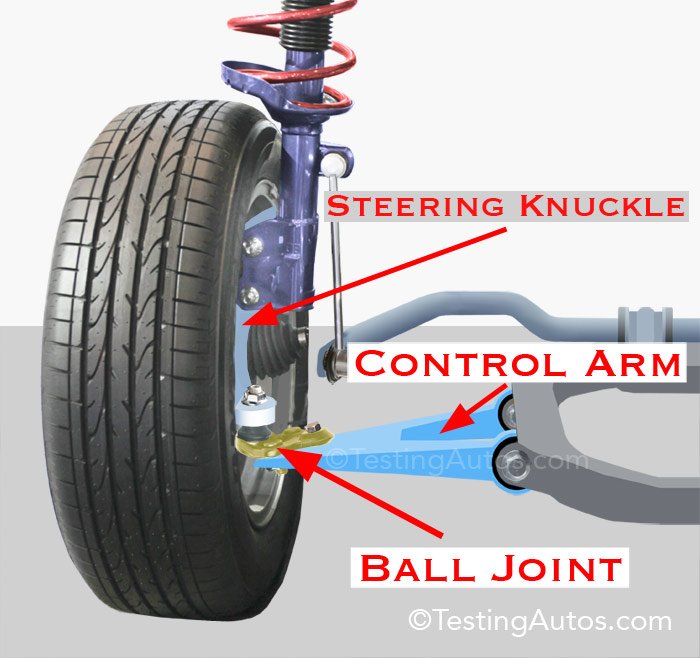
Before diving into the costs, it’s essential to understand what a ball joint is and its role in your vehicle. A ball joint is a critical part of your car’s suspension system. It functions much like a human joint, allowing the suspension to move smoothly while connecting the steering knuckle to the control arm.
Types of Ball Joints
There are two main types of ball joints in most vehicles:
-
Upper Ball Joints: These are located on the upper part of the suspension system, connecting the control arm to the steering knuckle.
-
Lower Ball Joints: Positioned on the lower side, these joints connect the control arm to the wheel hub assembly.
While both types are essential for proper steering and suspension function, lower ball joints tend to experience more wear and tear because they handle more weight and stress during driving.
Why Does a Ball Joint Need to Be Replaced?
Ball joints wear out over time due to the constant pressure and friction they endure. Several factors can cause premature wear:
-
Driving Conditions: Frequent driving on rough or uneven roads can accelerate ball joint wear.
-
Mileage: As your vehicle accumulates miles, the ball joints naturally degrade.
-
Lack of Lubrication: Ball joints need to be lubricated regularly to maintain their functionality. Without proper lubrication, they can wear out faster.
-
Alignment Issues: Poor alignment can cause excessive pressure on the ball joints, leading to faster deterioration.
If a ball joint fails, it can affect your vehicle’s handling, cause abnormal tire wear, and even compromise the safety of the vehicle, as it could lead to the suspension system failing while driving.
Symptoms of a Bad Ball Joint
If you suspect your ball joints might need to be replaced, here are some common signs to watch for:
Clunking Noise
A worn-out ball joint may make a clunking or popping noise when you turn or drive over bumps.
Uneven Tire Wear
A damaged ball joint can cause uneven tire wear. If you notice one side of the tires wearing more quickly than the other, it could be a sign that your ball joints need attention.
Poor Handling
If your steering feels loose or unresponsive, or if you experience excessive vibration, it might indicate that the ball joints are worn.
Steering Wheel Vibration
Excessive vibration in the steering wheel, particularly when turning, is often a symptom of faulty ball joints.
Abnormal Tire Alignment
A bad ball joint can affect the alignment of your tires, causing the vehicle to pull to one side while driving.
If you notice any of these signs, it’s crucial to have your vehicle inspected by a professional mechanic to prevent further damage and ensure your safety.
Ball Joint Replacement Cost Breakdown
The cost of ball joint replacement depends on several factors, including the type of vehicle, the number of ball joints that need to be replaced, and whether you’re replacing the upper or lower ball joints. Let’s break down the average costs associated with ball joint replacement:
Labor Costs
Labor costs typically account for a significant portion of the ball joint replacement price. Since the process of replacing a ball joint requires disassembling parts of the suspension system, it can be time-consuming. Labor costs can range from $75 to $150 per hour, depending on the repair shop’s location and expertise.
-
Average Labor Hours: Ball joint replacement usually takes 2 to 4 hours of labor, depending on the complexity of the repair and the vehicle model.
-
Labor Cost Estimate: This means that labor costs for ball joint replacement can range from $150 to $600, with some vehicles requiring more time for a thorough replacement.
Cost of the Ball Joint
The price of the ball joint itself can vary based on the make and model of your vehicle. Generally, ball joints cost between $20 and $150 per piece. Lower-quality ball joints may be cheaper, but higher-end or OEM (Original Equipment Manufacturer) parts will cost more.
-
Lower Ball Joints: The price range for lower ball joints typically falls between $30 to $150 each, depending on the brand and vehicle type.
-
Upper Ball Joints: Upper ball joints may cost anywhere from $20 to $80 each.
For vehicles requiring both upper and lower ball joint replacements, the cost of parts can be higher.
Total Ball Joint Replacement Cost
Now, combining the labor costs with the price of the parts, the total cost for replacing a ball joint can vary significantly. Here’s what you can expect:
-
Lower Ball Joint Replacement: The total cost to replace a lower ball joint typically ranges from $300 to $600 per joint, including both labor and parts.
-
Upper Ball Joint Replacement: Replacing an upper ball joint usually costs between $200 and $450.
-
Full Suspension Replacement (Both Upper and Lower): If both the upper and lower ball joints need replacement, you can expect a total cost between $400 and $1,200, depending on the vehicle type and labor time involved.
Additional Costs
There are a few additional costs that might be involved in the process, including:
-
Alignment: After replacing the ball joints, it’s essential to perform a wheel alignment. This typically costs between $75 and $100.
-
Other Suspension Repairs: In some cases, other suspension components, such as control arms or bushings, may also need to be replaced, which can increase the overall cost.
Factors Influencing Ball Joint Replacement Cost
Several factors can influence the cost of ball joint replacement, including:
Vehicle Type and Model
The make and model of your vehicle will affect the cost. Luxury or specialized vehicles may have more expensive parts and require more time to replace ball joints, increasing the overall cost.
Location
Labor rates can vary widely depending on where you are located. Urban areas with a higher cost of living tend to have higher labor costs than rural areas.
Quality of Parts
If you opt for OEM parts (Original Equipment Manufacturer), the cost will be higher, but you will get the exact parts your vehicle came with. Aftermarket parts can be more affordable but may not offer the same durability or performance.
Shop vs. Dealership
Independent repair shops typically charge less for labor than dealerships, but dealerships may use OEM parts, which could raise the price of the repair. Compare quotes from both independent shops and dealerships to find the best deal.
How to Save on Ball Joint Replacement
While ball joint replacement is essential for your vehicle’s safety and performance, here are some tips to reduce costs:
Compare Multiple Quotes
Get quotes from several repair shops to find the best price for both labor and parts. Be sure to ask if the quote includes the cost of alignment, as this is an essential part of the replacement process.
Consider Aftermarket Parts
If you’re on a budget, consider opting for aftermarket ball joints. While OEM parts may offer better quality, aftermarket options can still be reliable and cost-effective.
Bundle Repairs
If other suspension components are also showing signs of wear, consider bundling repairs. This can sometimes result in discounts for having multiple repairs done at once.
Check for Warranties
Some repair shops offer warranties on their work. If your ball joint replacement is covered by a warranty, it can save you money on future repairs if anything goes wrong.
Conclusion
The cost of ball joint replacement can range from $200 to $1,200 depending on the vehicle type, the number of joints being replaced, and the labor involved. The key factors that influence the cost are the vehicle model, quality of parts, and labor rates in your area. Regular maintenance and early detection of ball joint issues can help you avoid more expensive repairs down the line.
If you’re noticing symptoms such as clunking noises, uneven tire wear, or steering problems, don’t delay in getting your ball joints checked. Prompt replacement can improve your vehicle’s performance, handling, and safety, ensuring that you stay safe on the road while avoiding costly repairs in the future.
By understanding the ball joint replacement cost and the factors involved, you’ll be better equipped to make an informed decision about your vehicle’s suspension system.