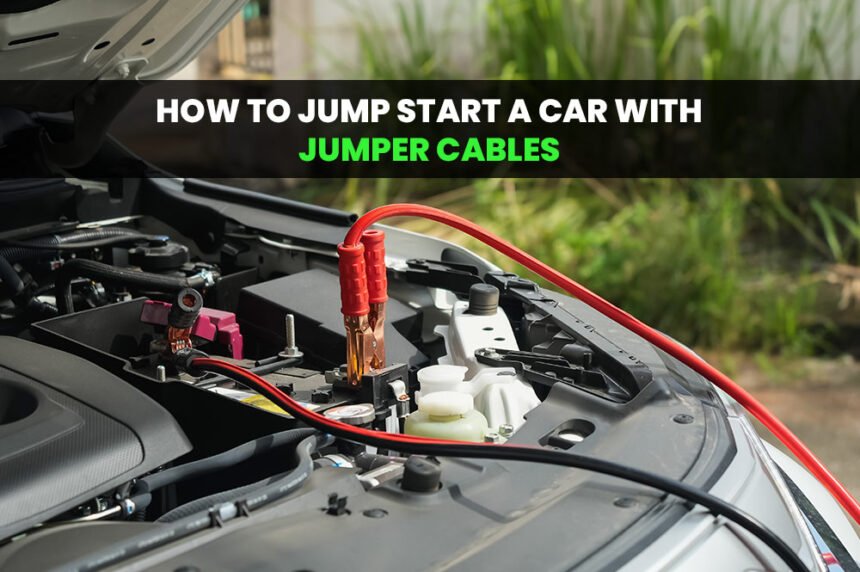
A dead car battery is one of the most common car problems drivers face. Whether you left the lights on overnight, or the battery simply wore out over time, knowing how to jump start a car is a valuable skill. Jump-starting your car is a simple process that can get you back on the road in no time. In this guide, we will walk you through everything you need to know about jump-starting a car, from the tools required to safety precautions.
What Is Jump Starting a Car?
The Basics of Jump Starting
Jump starting a car is the process of using a charged battery from another vehicle to provide enough power to start your own car. This method is used when your car’s battery is drained or dead, and it requires another car (with a working battery) and a set of jumper cables. The power from the charged battery flows through the cables into your car’s battery, giving it the boost it needs to turn over the engine.
Why You Might Need to Jump Start a Car
There are several reasons why your car battery might die:
-
Leaving lights on: Accidental battery drain can occur if you leave your car lights or interior lights on for an extended period.
-
Cold weather: Extremely cold temperatures can weaken a car’s battery, leading to a dead battery.
-
Old or worn-out battery: Over time, car batteries degrade and eventually stop holding a charge.
-
Alternator problems: If your alternator isn’t charging the battery properly, it can lead to battery failure.
Jump-starting is often quicker and more affordable than calling roadside assistance, so it’s helpful to know the process.
Tools You’ll Need to Jump Start a Car
Before you attempt to jump start your car, it’s essential to have the right tools on hand. Here’s what you’ll need:
Jumper Cables
Jumper cables are a must-have tool for jump-starting your car. These cables are typically color-coded (red for positive and black for negative) to make it easier to connect the batteries correctly.
A Second Vehicle with a Charged Battery
You’ll need a second vehicle that is in good working condition with a fully charged battery. The vehicle with the charged battery will provide the power to start your dead car.
Safety Gear (Optional)
While jumper cables and a charged battery are the most important tools, it’s always a good idea to wear safety gloves and protective eyewear. This will help protect you in case of any sparks or accidents during the jump-starting process.
Step-by-Step Guide on How to Jump Start a Car
Now that you’re prepared, let’s go over the detailed steps for how to jump start a car.
Position the Vehicles
Ensure both vehicles are parked close enough for the jumper cables to reach both batteries, but not touching. Turn off both vehicles before you start the process. The vehicles should be in “Park” (for automatic transmissions) or “Neutral” (for manual transmissions), with their parking brakes engaged.
Attach the Jumper Cables
The next step is to carefully attach the jumper cables to the car batteries. Follow this order of connection to prevent any electrical mishaps:
Connect the Positive (Red) Cable to the Dead Battery
-
Attach one end of the red (positive) jumper cable to the positive terminal (+) of the dead battery. The positive terminal is usually marked with a “+” symbol or a red cover.
Connect the Positive (Red) Cable to the Live Battery
-
Attach the other end of the red (positive) jumper cable to the positive terminal (+) of the charged battery.
Connect the Negative (Black) Cable to the Live Battery
-
Now, take the black (negative) jumper cable and attach one end to the negative terminal (-) of the charged battery.
Connect the Negative (Black) Cable to a Metal Surface
-
Finally, connect the other end of the black (negative) jumper cable to an unpainted metal surface in the engine bay of the dead car, such as a bolt or engine block. This step is crucial because it helps to ground the electrical circuit and reduces the risk of sparks near the battery.
Start the Working Car
Now, start the vehicle with the charged battery and let it run for a few minutes. This allows the charged battery to transfer power to the dead battery. You can rev the engine slightly to increase the current flow.
Attempt to Start the Dead Car
After letting the charged car run for a few minutes, try starting the dead car. If it starts, great! You’ve successfully jump-started your car. If it doesn’t start, let the working car run a little longer and try again.
Disconnect the Jumper Cables
Once the dead car has started, it’s time to remove the jumper cables. Follow the reverse order of the connection process:
-
First, remove the black (negative) cable from the grounded metal surface in the dead car.
-
Then, remove the black (negative) cable from the negative terminal (-) of the live battery.
-
Next, remove the red (positive) cable from the positive terminal (+) of the live battery.
-
Finally, remove the red (positive) cable from the positive terminal (+) of the dead battery.
Let Your Car Run
Once the cables are disconnected, allow the dead car to run for at least 15-30 minutes. This gives the alternator time to recharge the battery. If possible, drive the car around to ensure the battery gets fully charged.
Safety Precautions When Jump Starting a Car
Jump starting a car is relatively safe when done correctly. However, it’s important to take the following precautions:
Check for Leaks or Damage
Before you start, inspect the batteries for any cracks, leaks, or corrosion. If you see any of these signs, do not attempt to jump-start the vehicle, as it could be dangerous.
Never Allow the Cables to Touch
Avoid allowing the jumper cables to touch each other or any metal parts of the vehicles. This can cause sparks and lead to electrical shorts, which are hazardous.
Be Mindful of the Car’s Electrical System
Some modern vehicles have complex electrical systems that could be damaged if jump-started improperly. Always refer to your car’s owner manual for any specific instructions or warnings regarding jump-starting.
What to Do If Your Car Won’t Start After Jump-Starting
If your car doesn’t start after a successful jump, it could indicate a deeper issue. Here are a few possible reasons why:
Faulty Battery
If the jump-started car quickly loses power or won’t start again, the battery might be too old or damaged to hold a charge. In this case, you may need to replace the battery.
Alternator Issues
A faulty alternator may be the cause of your car not starting. The alternator is responsible for charging the battery while the engine is running, so if it fails, the battery won’t receive the charge it needs to start the car.
Starter Motor Failure
If the car doesn’t start even after jump-starting, the starter motor could be faulty. This will need professional attention to fix or replace.
Conclusion: Master the Skill of Jump Starting a Car
Knowing how to jump start a car is an essential skill for any driver. Whether you’re stuck with a dead battery at home or in a parking lot, understanding the process can save you time, money, and frustration. By following the steps carefully and taking safety precautions, you can jump-start your car safely and efficiently.
If your battery continues to fail after a jump-start, it’s advisable to consult a professional mechanic to diagnose and repair the issue. Remember, always keep a set of jumper cables in your car and stay prepared for any emergency situations.