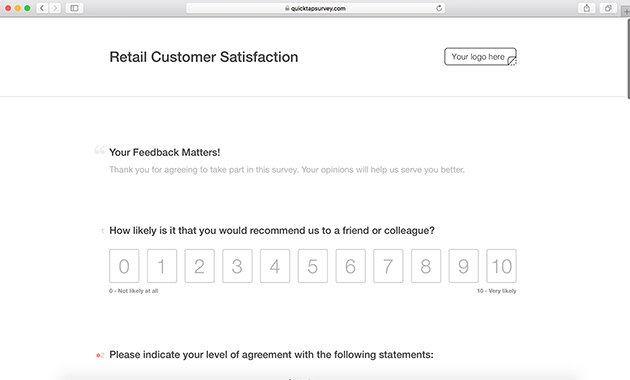
In the fast-paced world of business, staying ahead of the competition is crucial. One of the most effective ways to ensure your company continues to thrive is by understanding your customers. The key to this is customer feedback surveys. These surveys are an invaluable tool for collecting data that can drive strategic decisions, improve customer experience, and boost overall satisfaction. In this article, we’ll explore the importance of customer feedback surveys, how to create them effectively, and how to use the insights to enhance your business.
What Are Customer Feedback Surveys?
Definition and Purpose
A customer feedback survey is a tool used by businesses to gather insights from their customers. These surveys can take various forms, including online questionnaires, email surveys, phone interviews, or in-store feedback forms. The purpose of these surveys is to collect feedback about customers’ experiences with a product, service, or overall brand. By asking the right questions, businesses can uncover critical information that can guide product development, marketing strategies, and customer service improvements.
Types of Customer Feedback Surveys
There are several types of feedback surveys that businesses can use to gauge customer satisfaction:
-
Satisfaction Surveys: These are used to assess a customer’s satisfaction with a product, service, or specific aspect of the business. They typically ask questions like, “How satisfied were you with your recent purchase?”
-
Net Promoter Score (NPS): This survey measures customer loyalty by asking customers how likely they are to recommend the company to others. It’s a simple but powerful metric for assessing overall satisfaction.
-
Product/Service Feedback Surveys: These surveys focus on the specific features or attributes of a product or service. The goal is to determine what customers like and dislike, and how a product or service can be improved.
-
Customer Effort Score (CES): This type of survey measures how easy it was for customers to interact with your company, whether it’s buying a product, resolving an issue, or using your website.
Why Customer Feedback Surveys Matter
Customer feedback surveys are more than just tools for collecting data; they are the lifeblood of a customer-centric business strategy. Here’s why they matter:
Improving Customer Experience
The primary reason to use customer feedback surveys is to improve the customer experience. Feedback surveys allow you to understand your customers’ pain points, frustrations, and preferences. Armed with this knowledge, businesses can take targeted actions to enhance the overall customer experience and meet their expectations.
Boosting Customer Retention
Customer retention is much more cost-effective than acquiring new customers. By regularly collecting feedback and acting upon it, businesses show customers that they are valued and that their opinions matter. This can lead to increased customer loyalty and long-term relationships, reducing churn rates.
Identifying Areas for Improvement
Customer feedback surveys can help businesses identify gaps or weaknesses in their products, services, or processes. Understanding the specific areas that require attention enables companies to focus their efforts on what truly matters to their customers.
Enhancing Product Development
For businesses that sell products or services, feedback surveys are an essential part of the product development cycle. Customer insights can highlight the features customers love, those they wish to see improved, and entirely new ideas for product innovation. This feedback is a goldmine for improving or expanding product lines.
Measuring Customer Satisfaction
One of the simplest ways to measure customer satisfaction is through surveys. Whether through NPS, CES, or satisfaction surveys, businesses can gauge how well they are meeting their customers’ needs and expectations. This metric is essential for tracking progress and making data-driven decisions.
How to Create Effective Customer Feedback Surveys
Creating an effective customer feedback survey involves more than just asking a series of questions. To truly capture useful data and insights, you need to design your surveys thoughtfully. Here’s how you can do that:
Define Your Goals
Before creating a survey, it’s essential to define the purpose and objectives of the survey. What do you want to learn from your customers? Are you trying to improve a specific product, assess overall satisfaction, or gather input for a new feature? Clearly defining your goals will ensure that your survey is focused and actionable.
Keep It Short and Focused
Customers are more likely to complete surveys that are short and to the point. A long, tedious survey can lead to survey fatigue, and people may abandon it halfway. Aim for brevity while still covering all the necessary aspects of the feedback you need. The ideal survey should take no more than 5-10 minutes to complete.
Ask Clear and Concise Questions
The questions you ask in a customer feedback survey should be clear and easy to understand. Avoid jargon or ambiguous language, and be specific about what you want to learn. For example, instead of asking, “How do you feel about our product?” ask, “What feature of our product do you find most useful?”
Use a Mix of Question Types
Different types of questions can yield different insights. Here are some commonly used question types in feedback surveys:
-
Multiple Choice Questions: Great for gathering quantitative data.
-
Rating Scales (1-5, 1-7): These allow respondents to rate various aspects of their experience.
-
Open-Ended Questions: These provide qualitative insights into customer opinions, allowing customers to share their thoughts in their own words.
A mix of question types will provide both structured and detailed feedback.
Offer Incentives
Incentivizing survey participation can improve response rates. Offering small rewards such as discounts, gift cards, or the chance to win a prize can motivate customers to complete the survey and provide thoughtful feedback. Ensure that the incentive aligns with your brand and isn’t a deterrent for customers who may feel it’s not worth their time.
Follow Up and Take Action
The most critical part of the feedback process is acting on the results. Once you’ve gathered customer feedback, it’s important to analyze the responses and take meaningful action. If customers have pointed out issues with your service or product, addressing those concerns promptly can lead to significant improvements. Additionally, follow up with customers to show them how their feedback has made a difference.
Best Practices for Customer Feedback Surveys
To make the most out of your customer feedback surveys, here are some best practices to follow:
Timing Is Everything
The timing of your survey can have a significant impact on the quality and quantity of responses. For example, send a post-purchase survey shortly after a customer has made a purchase, or a customer service survey right after a support interaction. The feedback will be fresh in their minds, leading to more accurate and relevant responses.
Segment Your Audience
Not all customers are the same. Segment your audience based on demographics, purchase behavior, or customer type. By tailoring surveys to specific segments, you can gain more targeted insights that are relevant to each group.
Analyze the Results
Once your surveys are complete, it’s time to analyze the results. Look for patterns and trends in the data. Are customers consistently unhappy with a specific feature? Is there a common theme in their suggestions for improvement? This analysis will help you prioritize actions based on customer needs.
Be Transparent with Customers
Customers appreciate transparency. Let them know how you plan to use their feedback and the changes you plan to make based on their responses. Transparency builds trust and encourages future participation in surveys.
How Customer Feedback Surveys Impact Business Growth
Informed Decision Making
The insights gathered from feedback surveys help businesses make data-driven decisions. This means you’re not relying on assumptions or guesses but on actual customer opinions, leading to smarter strategies and fewer costly mistakes.
Customer-Centric Culture
Building a business around the needs of customers is crucial to long-term success. Customer feedback surveys help businesses create a customer-centric culture, ensuring that all decisions are made with the customer’s experience in mind.
Competitive Advantage
By actively seeking customer feedback and implementing changes, businesses can gain a competitive advantage. Customers are more likely to stay loyal to companies that listen to their needs and adapt accordingly. A business that continuously improves based on feedback stands out in a crowded market.
Conclusion: The Power of Customer Feedback Surveys
In conclusion, customer feedback surveys are a vital tool for businesses that want to understand their customers, improve their offerings, and foster long-lasting relationships. By listening to your customers and acting on their feedback, you can improve customer satisfaction, drive loyalty, and ultimately grow your business. Whether you’re a startup or an established enterprise, using feedback surveys to guide your decisions will put you on the path to success in today’s competitive marketplace.
Investing time and resources in creating effective customer feedback surveys is an investment in your business’s future. Start gathering insights today and watch your company thrive.