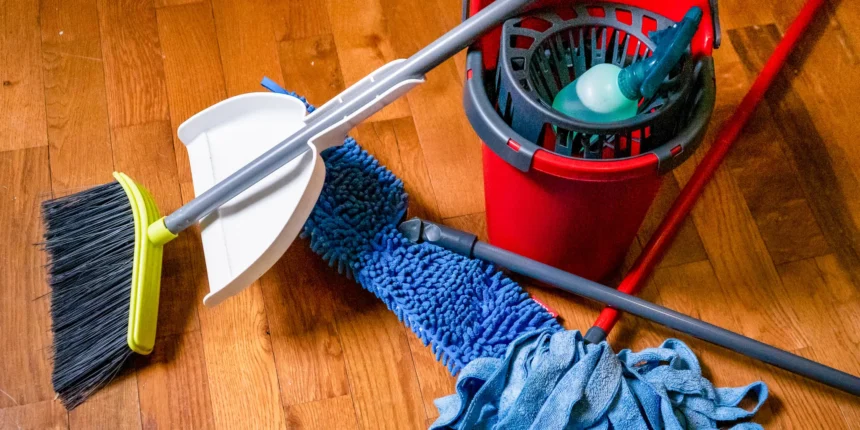
Hardwood floors are a beautiful and timeless addition to any home, known for their elegance, durability, and classic charm. However, keeping them clean can seem daunting, especially if you’re unsure of the best methods to use. how to clean hardwood floors requires careful attention to maintain their natural beauty while ensuring they last for years.
In this comprehensive guide, we will discuss the best methods for cleaning hardwood floors, the tools you’ll need, common mistakes to avoid, and tips to keep your floors looking pristine. Whether you have oak, maple, cherry, or walnut floors, this guide will provide the information you need to clean your hardwood floors safely and effectively.
Why Clean Hardwood Floors Properly?
The Importance of Cleaning Hardwood Floors
Hardwood floors are a significant investment in your home, and taking proper care of them is essential to preserving their look and longevity. Regular cleaning helps to:
-
Preserve the wood finish: Dust, dirt, and debris can cause scratches and damage the floor’s finish. Proper cleaning helps maintain the protective layer and prevents premature wear.
-
Remove allergens: Hardwood floors don’t trap dust, dirt, and allergens like carpet, so cleaning them regularly helps reduce allergens in your home.
-
Enhance the shine: Clean hardwood floors enhance the natural shine of the wood, making them look fresh and well-maintained.
-
Prevent damage: Cleaning also helps to remove spills, stains, and grime before they can penetrate the wood or cause discoloration.
By following the proper cleaning techniques, your hardwood floors will maintain their beauty for many years.
How to Clean Hardwood Floors: A Step-by-Step Guide
Sweep or Vacuum Regularly
Sweeping vs. Vacuuming
The first step in cleaning hardwood floors is to remove dust, dirt, and debris from the surface. This prevents dirt from scratching the surface when you mop or clean the floor later.
-
Sweeping: Use a soft-bristle broom to sweep the floor regularly. Avoid using a broom with stiff bristles as it may scratch the wood’s surface.
-
Vacuuming: Alternatively, a vacuum cleaner with a hardwood floor setting is an excellent option for cleaning floors, as it can reach into corners and crevices. Make sure to turn off the beater bar or use a vacuum attachment with a soft brush to prevent scratching.
Regular sweeping or vacuuming is essential to keeping your hardwood floors clean and preventing dirt buildup.
Mop the Floors with a Damp Mop
Choosing the Right Mop
The next step in the cleaninhow to clean hardwood floorsg process is mopping, but it’s crucial to use the right technique and the correct mop for the job. Hardwood floors do not tolerate excess moisture since too much water can seep into the seams and cause warping or damage.
-
Microfiber Mop: The best choice for cleaning hardwood floors is a microfiber mop. Microfiber traps dust and dirt effectively without leaving streaks. It also requires less water than traditional mops.
-
Flat Mop: If you use a flat mop, ensure the cloth or pad is slightly damp, not soaking wet.
Cleaning Solution for Hardwood Floors
When mopping, it’s essential to choose the right cleaning solution. Some commercial floor cleaners are designed specifically for hardwood floors, but you can also make your own solution.
-
DIY Cleaner: Mix a few drops of mild dish soap or wood floor cleaner with warm water in a bucket. Alternatively, you can mix one cup of vinegar with a gallon of warm water. Vinegar acts as a gentle cleaner without damaging the wood.
-
Avoid Harsh Chemicals: Steer clear of ammonia, bleach, or any abrasive cleaners, as these can strip the finish off your hardwood floors and cause long-term damage.
Mopping Technique
-
Damp Mop, Not Wet: Dip the microfiber mop in the cleaning solution, then wring it out so it’s damp, not wet. Mop the floor in the direction of the wood grain, ensuring you don’t oversaturate the surface.
-
Work in Sections: Work in small sections to avoid leaving puddles of water that can damage the floor.
-
Dry the Floor Immediately: After mopping, go over the floor with a dry microfiber cloth or towel to prevent water from pooling.
Deal with Spills Immediately
Why Immediate Cleanup Matters
Spills on hardwood floors can cause stains, water damage, or even warping if left unattended. To avoid permanent damage, clean up spills immediately.
-
Wipe Up Liquids: If you spill water, wine, or food, wipe it up immediately using a soft cloth or paper towel. The longer liquids sit on the surface, the more likely they are to seep into the wood and cause damage.
-
Use a Damp Cloth for Stubborn Spills: For sticky spills, such as syrup or jam, use a damp cloth with mild soap to gently wipe away the residue.
Use a Floor Protector
Prevent Scratches and Damage
To keep your hardwood floors looking pristine, it’s crucial to prevent scratches and scuffs. Here are a few tips:
-
Furniture Pads: Place felt pads under the legs of furniture, such as chairs, tables, and couches. These pads will prevent scratching when you move furniture.
-
Rugs and Mats: Use rugs or mats in high-traffic areas, such as hallways or entryways. Place a rug near doorways to trap dirt and moisture from shoes.
-
Avoid High Heels or Stiletto Shoes: High heels can cause dents in hardwood floors. Ask guests to remove their shoes if they’re wearing pointed heels.
By adding these simple precautions, you can prevent the most common types of damage to hardwood floors.
Additional Tips for Maintaining Hardwood Floors
Polish Your Floors for Extra Shine
When to Polish Hardwood Floors
Polishing your hardwood floors can add a layer of shine and help protect them from daily wear. It’s essential to polish your floors only when necessary, as excessive polishing can lead to buildup.
-
Frequency: Depending on foot traffic and the level of wear, you should polish your hardwood floors every 3 to 6 months.
-
Polish Products: Use a high-quality wood floor polish designed for your floor’s finish. Always follow the manufacturer’s guidelines for application.
How to Apply Polish
-
Clean the floor thoroughly before applying polish.
-
Apply the polish in thin, even layers using a microfiber mop.
-
Allow the polish to dry completely before walking on the floor.
Sanding and Refinishing Hardwood Floors
When to Sand and Refinish
Over time, hardwood floors can become scratched, dull, or damaged due to wear and tear. If your floors show signs of significant damage, sanding and refinishing might be necessary.
-
Sanding: This process involves sanding down the top layer of wood to remove scratches and damage, giving your floors a fresh surface.
-
Refinishing: After sanding, the floor is treated with a protective finish that helps preserve the wood and adds a shiny, smooth appearance.
Sanding and refinishing hardwood floors can restore them to their original beauty and prolong their lifespan, but it’s typically best done by a professional due to the complexity of the process.
Humidity Control
Why Humidity Matters
Wood is a natural material that expands and contracts with changes in humidity. Extreme fluctuations in humidity can cause hardwood floors to warp or crack. Maintaining consistent humidity levels in your home helps preserve the integrity of the wood.
-
Use a Humidifier: In dry climates or during winter months, use a humidifier to add moisture to the air.
-
Avoid Excessive Moisture: In areas with high humidity, use a dehumidifier to prevent excessive moisture from affecting your floors.
Common Mistakes to Avoid When Cleaning Hardwood Floors
Using Too Much Water
Excessive water is one of the biggest mistakes when cleaning hardwood floors. Water can seep into the wood, causing swelling and warping. Always mop with a damp, not wet, mop to prevent water damage.
Using Harsh Chemicals
Avoid using harsh chemicals like ammonia, bleach, or abrasive cleaners, as they can damage the finish of the hardwood floor. Stick to mild soap or a dedicated wood floor cleaner.
Skipping Regular Maintenance
Hardwood floors need consistent care. Skipping regular sweeping or vacuuming can lead to dirt buildup, which can scratch the wood’s surface over time. Clean your floors regularly to maintain their shine and prevent damage.
Conclusion: Keeping Your Hardwood Floors Clean and Beautiful
Cleaning hardwood floors may seem like a challenge, but with the right tools, products, and techniques, it’s easy to keep your floors looking beautiful and well-maintained. Regular cleaning, careful maintenance, and smart precautions can prevent damage and help preserve the beauty of your hardwood floors for years to come.
By following the steps outlined in this guide—sweeping or vacuuming regularly, mopping with a damp mop, dealing with spills quickly, and maintaining humidity levels—you’ll be able to enjoy your hardwood floors’ elegance and durability for many years. Whether you have oak, maple, or cherry wood floors, proper care will keep them looking their best.