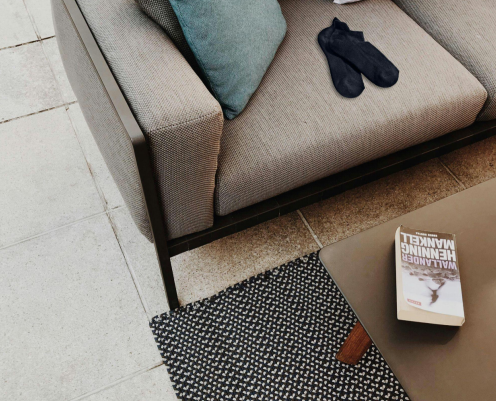
Natural stone is one of the few materials in home design that feels timeless no matter how trends change. Walk into a centuries-old European home, a historic townhouse, or even a thoughtfully designed contemporary space, and stone often plays a main role. It grounds a room, adds depth, and ages with grace, making it truly a timeless material.
Yet natural stone is also an investment, financially and practically. It requires careful selection, skilled installation, and an understanding of where its beauty and durability will truly shine. The key is knowing where natural stone delivers the most impact, and how to use it in a way that truly benefits your home.
Why Natural Stone Is Still Popular
In an era of convincing lookalikes and engineered alternatives, it’s fair to ask why natural stone still holds such appeal. The answer lies in its individuality. No two slabs are exactly alike. Veining, mineral deposits, subtle color variations, and even small imperfections give stone its character.
Stone also connects interiors to the natural world. Whether it’s marble, limestone, travertine, slate, or granite, each type carries a sense and energy of place, shaped over millennia. That connection adds emotional value to a home, making spaces feel more unique.
From a practical standpoint, stone is one of the most durable materials. Floors, countertops, and architectural elements made from natural stone can last decades, even generations, with proper care. That longevity is a major part of what makes it worth the investment.
Entryways and Hallways: Creating a Lasting First Impression
Few spaces benefit more from natural stone than entryways and hallways. These areas experience heavy foot traffic and serve as a home’s first impression, so stone as the main flooring material combines both beauty and durability. Limestone or honed marble offers a refined, understated look, while travertine or slate introduces more texture and warmth.
Because there is usually a heavy foot traffic in these spaces, stone works particularly well here. It’s resilient enough to handle daily wear, dirt, and moisture, and visually strong enough to stand on its own without needing excessive decoration. Paired with simple walls, good lighting, and thoughtful proportions, stone flooring in an entry is a perfect example of smart and stylish design choice.
Kitchens: Balancing Beauty and Practicality
The kitchen is often where homeowners most eagerly consider natural stone, and for good reason. Stone countertops, backsplashes, and floors can add immense value to the space, both in function and aesthetics.
Marble remains a perennial favorite for its luminous quality and classic appeal. While it does require care and an acceptance of patina, many homeowners embrace its tendency to evolve over time. Quartzite and granite offer more resistance to staining and scratching while still delivering the depth and variation that make natural stone so appealing.
Stone floors in kitchens can be equally impactful, especially in homes where the kitchen is a true gathering space. A honed finish provides slip resistance and a softer look, while warmer stone tones help balance the coolness that stone can sometimes introduce.
Bathrooms: Where Stone Feels Most Indulgent
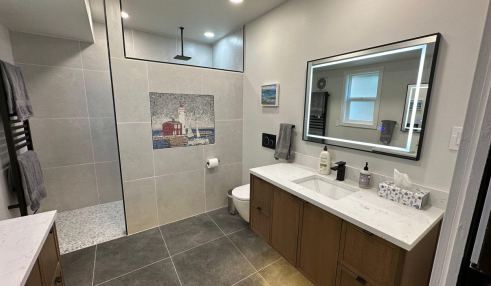
Bathrooms are perhaps the most natural home for stone. They are intimate spaces where texture, temperature, and light all play a role in how a room feels. Stone excels here, creating environments that feel spa-like without being overly styled.
A stone vanity top, a limestone floor, or a shower clad in natural material can elevate even a modest bathroom. The tactile experience of stone underfoot or under hand adds a sensory richness that synthetic surfaces can never replicate. A mosaic shower wall can be a beautiful way to introduce stone in a more intricate, detailed manner, especially when balanced with larger-format stone elsewhere in the space.
Bathrooms that feature stone surfaces benefit greatly from thoughtful lighting. Soft, layered illumination highlights natural variations in the material, bringing out depth and warmth. When paired with simple fixtures and limited color palettes, stone becomes the defining element rather than just another surface.
Living Spaces: Architectural Weight and Calm
While stone is most commonly associated with kitchens and bathrooms, its impact in living spaces is often underestimated. Used architecturally, stone can bring a sense of calm and gravity to areas where people gather and relax.
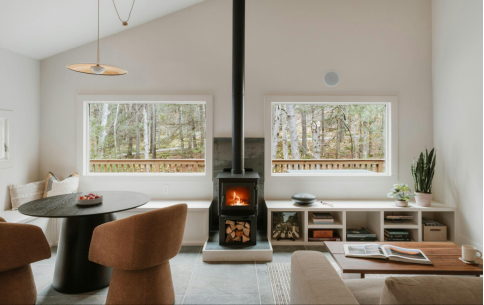
Fireplace surrounds are a natural fit. A slab of limestone or marble framing a hearth creates a focal point that feels both elegant and grounding. Stone-clad feature walls can add texture and presence without feeling heavy-handed.
In open-plan homes, stone flooring can help unify spaces, providing visual continuity between living, dining, and kitchen areas. Choosing a stone with subtle variation rather than dramatic veining ensures the space feels cohesive and timeless.
Here, the investment pays off in longevity and atmosphere. Stone in living areas doesn’t just look good when new; it ages beautifully, developing a patina that adds character and a feeling of a lived-in home.
Outdoor Connections and Thresholds
Natural stone truly shines at the boundary between indoors and outdoors. Using stone at thresholds, terraces, or indoor-outdoor transitions helps blur the line between interior and exterior spaces.
Stone floors that extend from inside to a patio create a seamless flow, making homes feel larger and more connected to their surroundings. Materials like travertine, limestone, and slate are particularly well-suited to this role, offering durability and a natural aesthetic that complements outdoor landscapes. Even small applications, such as a stone threshold at a back door or a stone-clad step leading into the garden, reinforce a sense of continuity and quality.
Floors: Where Durability Meets Design
Stone flooring is one of the most impactful investments a homeowner can make. It sets the foundation for the entire design and influences how every other element is perceived.
A mosaic floor, when thoughtfully placed and balanced with simpler surrounding materials, adds character and craftsmanship without dominating the space. More often, however, large-format stone tiles or slabs provide a calm, expansive feel that works across multiple rooms.
rs are particularly well-suited to homes with underfloor heating, as they conduct warmth efficiently, adding comfort to their inherent solidity. With the right finish, they are practical, long-lasting, and visually enduring.
The key to success is choosing the right stone for the right location. Softer stones work well in low-traffic areas, while denser options are better for busy zones. Professional installation and proper sealing are essential to ensure longevity.
Where Stone Is Less Essential
As compelling as natural stone is, it doesn’t need to be everywhere. Overuse can make a home feel cold or overly formal. In bedrooms, for example, stone is often less practical and less inviting than wood or textile-rich surfaces.
Similarly, vertical applications in spaces that don’t benefit from durability or moisture resistance may not justify the cost. Stone should feel purposeful, not decorative for its own sake.
Understanding where stone adds real value, either functionally or emotionally, helps keep a home balanced and cohesive.
Choosing Stone With Confidence
Investing in natural stone requires a willingness to engage with its quirks. It will change over time. It may stain, chip, or wear in ways that tell the story of the home. For many, this is part of its appeal.
Working with knowledgeable suppliers and installers is crucial. Seeing full slabs, understanding finishes, and considering how stone will interact with light and surrounding materials makes a significant difference in the final result.
Above all, natural stone works best when it aligns with how you live. A family home might favor durability and ease of maintenance, while a quieter and less busy home may prioritize beauty and atmosphere.
A Lasting Investment in Atmosphere
Natural stone is not just a surface, it’s an experience. It influences how a space feels, how it ages, and how it’s remembered. When used thoughtfully, it brings a sense of calm, quality, and permanence that few other materials can match.
By focusing on key areas where stone delivers the most impact you ensure that the investment feels worthwhile both now and years down the line. Rather than chasing trends, natural stone offers something rarer: a material that grows more beautiful with time, grounding the home in both nature and design heritage.