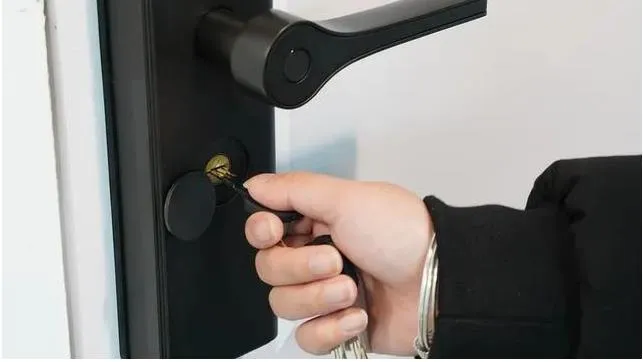
Locks are a basic element of access functionality, yet a gradual deterioration in lock functionality often goes unappreciated until it becomes inconvenient. Many lock faults often develop in the background through regular usage rather than through immediate failure. Doors failing to operate or being less reliant on their respective locks often provide early indicators of underlying faults. An analysis of lock development provides insight into the significance of early intervention in lock functionality.
In residential and commercial settings, the locking mechanism operates seamlessly without break. As time passes, the internal components of the mechanism work under stress, and minute shifts in alignment and responses of the components to their environment lead to people experiencing unexpected issues related to access.
Factors That Lead to Gradual Lock Failure
-
Wear Patterns That Affect Internal Mechanisms
Locks depend on exact movements; any slight friction applied will alter their working. The continuous turning of keys and repeated cycles of locking create a force that gradually deteriorates internal parts. In this way, it is also one of the leading reasons for door lock mechanism problems, particularly in entrances that are used intensively day in and day out.
Some parts bear the load more than others; hence, there is uneven movement that affects its reliability. Over time, these stresses develop into lock faults that interfere with smooth access, often without any visible external damage.
-
Environmental Conditions and Their Impact
In addition to this, another factor contributing to the degradation of locks is environmental exposure. Temperature changes affect materials in various ways. The expansion and contraction of materials result in microscopic changes in the positioning of various elements inside the lock. Moisture is known to trigger corrosion.
The environmental stress does not cause an immediate failure but contributes to increasing internal deterioration. All described factors can contribute to a situation where a lock works flawlessly for a long time and then just stops working suddenly.
Recognising Early Signs Before Problems Escalate
-
Behavioural Changes That Signal Trouble
Warning signs of developing lock faults include changes in the feel of the lock when it is operated. This may be due to increased resistance in the lock operation or the need to adjust the position of the keys. Faulty lock symptoms may seem like very normal; however, they indicate imbalances in the lock system.
The other sign of a poor-quality lock is inconsistencies. Sometimes the lock might be functioning perfectly, while at other times it resists opening. Here, changes in temperatures are to be blamed for the alignment issues.
-
Security Risks Linked to Ignored Issues
Where there are issues inside, this compromises security. Sometimes, a lock that looks locked is not actually secured. Lock failure can be complicated, and identifying why can help building owners understand when security at the entrance is at risk. Addressing the issue early can prevent lockouts, broken doors, and compromised secure points.
If these signs are ignored, minor problems can progress into total collapse. An element of vigilance and sensitivity is essential in maintenance for the retention of both safety and convenience.
Conclusion
Lock performance is also dependent on actual daily usage, environmental conditions, and mechanical wear effects over time. Slowly, lock malfunctions come into focus as silent indicators of performance alteration in lock functionality. Technical expertise will occasionally be needed for addressing access concerns as well as for handling related concerns centered on keys.
If you are encountering any problems in accessing or need any professional help, do not hesitate to contact London Locks for assistance.
FAQs
How do lock faults develop?
They develop gradually, through repeated usage, environmental exposure, and internal wear-and-tear, rather than suddenly through damage.
Are early lock problems easy to detect?
Yes, changes in resistance or erratic operation often signal the development of problems.
Can weather really affect locks?
Alignment and internal movement are easily affected by changes in temperature and moisture and can lead to some performance problems.
Do all lock problems really mean replacement is needed?
Not necessarily; early attention can often prevent major repairs or replacement.
Why are small lock problems necessary to be sorted out as soon as possible?
Small defects can escalate, affecting both access reliability and security.