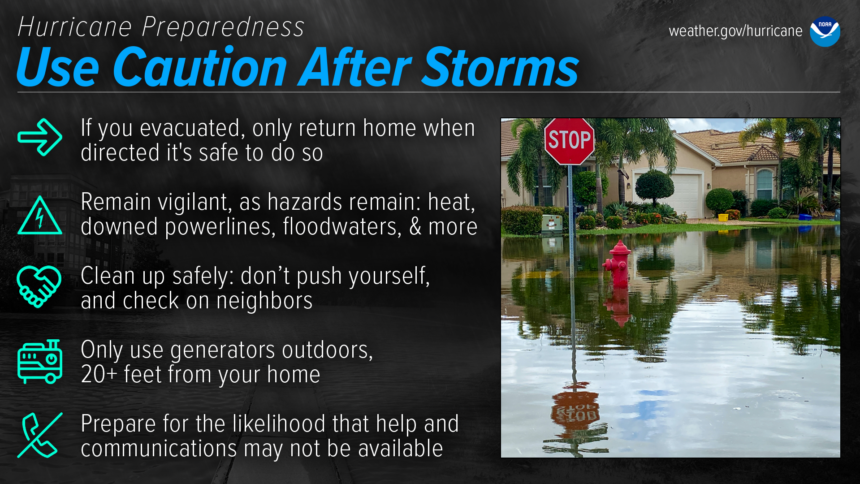
When severe weather finally rolls past your neighborhood, you’re often left facing a daunting cleanup challenge that’s as stressful as it is potentially dangerous. Major storms, whether they’re hurricanes, tornadoes, intense thunderstorms, or brutal winter weather events, can wreak havoc on homes and properties in ways that aren’t always obvious at first glance. Knowing what to inspect and how to safely evaluate your property after a major storm isn’t just important; it’s essential for protecting your investment and keeping your family safe. Taking a systematic approach to post-storm inspection helps you spot critical issues before they balloon into expensive repairs or, worse, become genuine safety hazards.
Roof and Exterior Structural Damage Assessment
Your roof stands as your home’s first line of defense against whatever Mother Nature throws at it, which makes it absolutely crucial to inspect after any major storm. Start with a safe visual inspection from ground level, grab a pair of binoculars and scan for missing, cracked, or lifted shingles that could let water sneak in. You’ll want to pay close attention to the flashing around chimneys, vents, and skylights, since these vulnerable spots often take a beating during high winds. Don’t forget to check your gutters and downspouts for dents, damage, or sections that might’ve been ripped loose or packed with debris.
Windows, Doors, and Siding Inspection
Storm-force winds and flying debris don’t discriminate when it comes to damaging your home’s exterior, making a thorough inspection of windows, doors, and siding absolutely essential. Give all your windows a careful once-over for cracks, chips, or complete breaks in the glass, even tiny cracks can grow over time and become gateways for moisture. Check the window frames and seals for separation, warping, or telltale signs of water penetration like discoloration or soft spots that feel spongy to the touch. Make sure all your exterior doors open, close, and lock properly, since the intense pressure from storms can shift frames or knock them out of alignment.
Water Intrusion and Interior Damage Evaluation
Water damage can be one of the most destructive and expensive consequences of storm damage, which is why interior inspection should shoot straight to the top of your priority list. Take a walk through every room in your home, keeping your eyes trained on the ceilings for water stains, discoloration, sagging, or peeling paint that screams “leak. ” Your walls need the same careful attention, look for bubbling paint, soft spots, or visible water trails running down from the ceiling. The attic deserves a particularly thorough inspection since that’s where roof leaks first make themselves known, watch for wet insulation, standing water, or water stains on the rafters and decking. When assessing potential roof damage, homeowners who need professional evaluation can contact aceroofingtexas.com for comprehensive storm damage inspection services. From inside, examine all your window and door frames for moisture, condensation trapped between panes, or water staining that suggests the seals have failed. Don’t forget to check basements and crawl spaces for flooding, standing water, or signs of water seeping through foundation walls or floors. Whatever water damage you find, document it immediately with photographs, mold can start growing within just 24 to 48 hours after moisture exposure, so time really is of the essence.
Electrical, Plumbing, and HVAC System Safety Checks
Storm damage can compromise your home’s critical systems in ways that create genuinely serious safety hazards if you don’t identify and address them quickly. Here’s the golden rule: never touch electrical panels, outlets, or switches if you suspect water damage or if you’re standing in water, the electrocution risk simply isn’t worth it. Keep an eye out for exposed wiring, damaged electrical boxes, or outlets that are sparking, all of which need immediate professional attention. Your HVAC system’s outdoor unit deserves a careful look for impact damage from flying debris, damaged refrigerant lines, or exposed electrical components.
Trees, Landscaping, and Drainage System Inspection
The exterior of your property often shows visible damage that might look merely cosmetic but can actually create ongoing hazards or contribute to future property damage. Take a complete walk around your property to identify damaged, leaning, or uprooted trees that pose a falling risk to your home, vehicles, or power lines. Be on the lookout for large branches that are hanging, cracked, or partially broken, these so-called widow-makers can drop unexpectedly days or even weeks after a storm passes. Make sure your property’s drainage systems, including yard grading, French drains, and storm drains, are functioning properly and haven’t been clogged with debris.
Conclusion
The aftermath of a major storm demands methodical inspection and careful documentation to protect both your home and your family while ensuring you capture all damage for insurance purposes. Only begin your assessment when it’s completely safe to do so, steer clear of downed power lines, standing water, and structures that look unstable. Take comprehensive photographs and videos of all damage before you start making any temporary repairs, as this documentation becomes absolutely crucial when filing insurance claims. Tackle immediate safety hazards first, like water intrusion or structural instability, by bringing in qualified professionals who can handle emergency repairs properly.