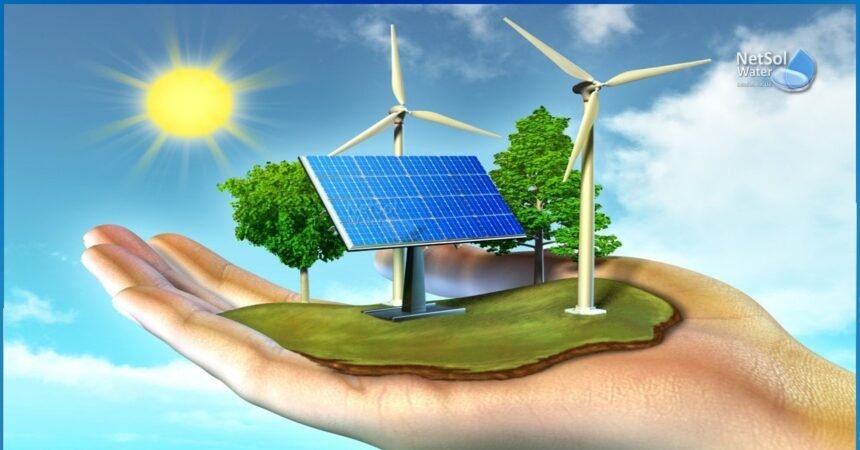
The significance of renewable energy in today’s world cannot be overstated. As the global population continues to grow and industrial activities expand, the demand for energy surges, leading to an increased reliance on fossil fuels. This dependence has dire consequences, including environmental degradation, air pollution, and climate change.
Renewable energy sources, such as solar, wind, hydroelectric, and geothermal, offer a sustainable alternative that can mitigate these issues. By harnessing the power of nature, we can reduce greenhouse gas emissions and transition towards a more sustainable energy future. Moreover, the urgency of addressing climate change has propelled renewable energy to the forefront of global discussions.
The Intergovernmental Panel on Climate Change (IPCC) has repeatedly emphasized the need for a rapid transition to low-carbon energy systems to limit global warming to 1.5 degrees Celsius above pre-industrial levels. This transition is not merely an environmental imperative; it is also a pathway to energy security and independence. Countries that invest in renewable energy can reduce their vulnerability to fluctuating fossil fuel prices and geopolitical tensions associated with oil and gas supplies.
Types of Renewable Energy Sources
Renewable energy encompasses a diverse array of sources, each with unique characteristics and applications. Solar energy, derived from sunlight, is one of the most widely recognized forms of renewable energy. Photovoltaic cells convert sunlight directly into electricity, while solar thermal systems harness heat for residential and industrial applications.
The versatility of solar technology allows it to be deployed in various settings, from large-scale solar farms to rooftop installations on homes for residential solar power. Wind energy is another prominent renewable source, generated by harnessing the kinetic energy of wind through turbines. Wind farms can be found both onshore and offshore, with offshore wind farms often benefiting from stronger and more consistent winds.
The growth of wind energy has been remarkable; for instance, in 2020, wind power accounted for approximately 8.4% of global electricity generation, according to the International Energy Agency (IEA). Other renewable sources include hydroelectric power, which utilizes flowing water to generate electricity, and geothermal energy, which taps into the Earth’s internal heat for power generation and direct heating applications.
Advantages of Embracing Renewable Energy
The transition to renewable energy offers numerous advantages that extend beyond environmental benefits. One of the most compelling reasons to embrace renewable energy is its potential for job creation. The renewable energy sector has proven to be a significant source of employment opportunities.
According to the International Renewable Energy Agency (IRENA), the global renewable energy sector employed over 11 million people in 2018, with numbers expected to rise as investments in clean energy technologies continue to grow. In addition to job creation, renewable energy sources contribute to improved public health outcomes. Traditional fossil fuel combustion releases harmful pollutants into the atmosphere, leading to respiratory diseases and other health issues.
By shifting towards cleaner energy sources, communities can experience better air quality and reduced healthcare costs associated with pollution-related illnesses. Furthermore, renewable energy systems often require less water than conventional power plants, alleviating stress on local water resources and promoting sustainable water management practices.
Challenges and Obstacles in Adopting Renewable Energy
Despite the clear benefits of renewable energy, several challenges hinder its widespread adoption. One significant obstacle is the intermittency of certain renewable sources, particularly solar and wind energy. These resources are not always available when demand peaks; for example, solar panels generate electricity only during daylight hours.
This variability necessitates the development of robust energy storage solutions and grid management strategies to ensure a reliable power supply. Another challenge lies in the existing infrastructure that favors fossil fuels. Many countries have established energy systems built around coal, oil, and natural gas, making it difficult to transition to renewables without substantial investment in new technologies and infrastructure.
Additionally, regulatory frameworks may not adequately support the integration of renewable energy into existing grids or incentivize investment in clean technologies. Overcoming these barriers requires coordinated efforts from governments, industry stakeholders, and communities to create a conducive environment for renewable energy growth.
Government Policies and Initiatives for Renewable Energy
Government policies play a crucial role in shaping the landscape of renewable energy development. Many countries have implemented various initiatives aimed at promoting clean energy adoption. For instance, feed-in tariffs guarantee fixed payments for electricity generated from renewable sources, providing financial certainty for investors and encouraging the deployment of new projects.
Similarly, tax incentives and subsidies can lower the cost of renewable technologies, making them more competitive with fossil fuels. In addition to financial incentives, governments are increasingly setting ambitious renewable energy targets as part of their climate action plans. The European Union’s Green Deal aims to make Europe the first climate-neutral continent by 2050, with specific milestones for increasing the share of renewables in the energy mix.
Such commitments signal a strong political will to transition towards sustainable energy systems and can catalyze private sector investment in clean technologies.
The Role of Technology in Advancing Renewable Energy
Technological advancements are pivotal in driving the growth and efficiency of renewable energy systems. Innovations in solar panel design have led to higher conversion efficiencies and lower production costs, making solar power more accessible than ever before. For example, bifacial solar panels can capture sunlight from both sides, increasing overall energy generation without requiring additional land.
Wind turbine technology has also evolved significantly over the years. Modern turbines are larger and more efficient than their predecessors, capable of generating more electricity at lower wind speeds. The development of floating wind farms allows for deployment in deeper waters where wind resources are often stronger and more consistent.
Furthermore, advancements in battery storage technology are crucial for addressing the intermittency challenge associated with renewables. Lithium-ion batteries have become increasingly affordable and efficient, enabling better integration of solar and wind power into the grid.
The Economic Impact of Renewable Energy
The economic implications of transitioning to renewable energy are profound and multifaceted. As countries invest in clean technologies, they stimulate local economies by creating jobs in the manufacturing, installation, maintenance, and research and development sectors. The growth of the renewable energy industry can also lead to increased investments in related fields such as electric vehicles and smart grid technologies.
Moreover, renewable energy can enhance energy independence by reducing reliance on imported fossil fuels. Countries that harness their domestic renewable resources can stabilize their energy prices and protect themselves from volatile global markets. For instance, Germany’s Energiewende policy has aimed to transition away from nuclear power and fossil fuels towards renewables, fostering a robust domestic clean energy sector while reducing its dependence on imported oil and gas.
Steps Individuals Can Take to Support Renewable Energy
Individuals play a vital role in supporting the transition to renewable energy through their choices and actions. One effective way is by opting for green energy plans offered by utility companies that source electricity from renewable sources such as wind or solar power. By choosing green energy options, consumers can directly contribute to increasing demand for clean electricity generation.
Additionally, individuals can invest in renewable technologies for their homes or businesses. Installing solar panels or participating in community solar programs allows homeowners to generate their own clean electricity while potentially lowering their utility bills. Furthermore, advocating for policies that support renewable energy at local and national levels can amplify individual efforts; engaging with policymakers through petitions or public forums can help drive systemic change toward sustainable energy practices.
In conclusion, embracing renewable energy is not just an environmental necessity but also an economic opportunity that can lead to job creation, improved public health outcomes, and enhanced energy security. While challenges remain in terms of technology integration and infrastructure adaptation, government policies and individual actions can significantly accelerate this transition towards a sustainable future powered by clean energy sources.