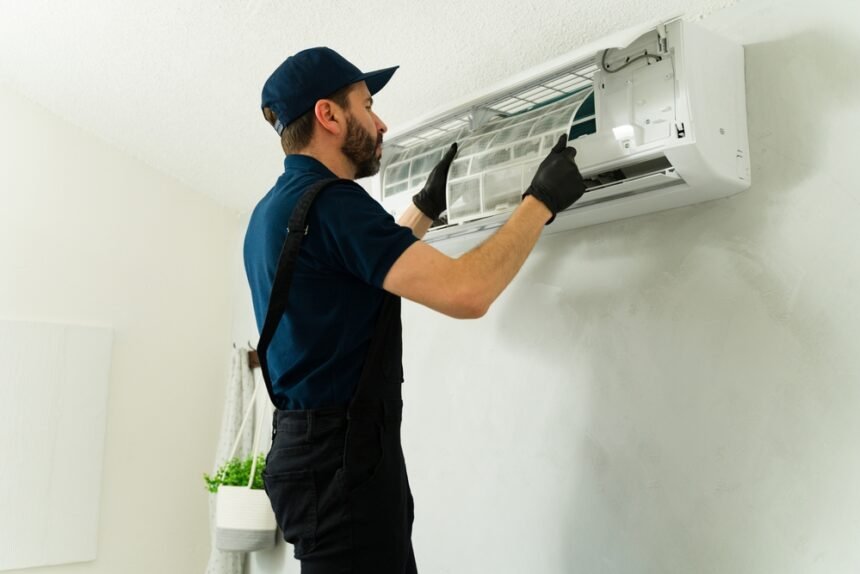
Garages, sunrooms, and sheds are becoming workspaces, home gyms, and creative studios. As such, these rooms require proper climate control. Otherwise, it can be unbearable to stay in them for prolonged periods.
Ductless mini-splits offer a simple way to make them usable year-round. Here, a local provider of AC repair in Brick Township, NJ, shares insights on using ductless mini-splits in modern recreational areas.
How Ductless Mini-Splits Work
Ductless mini-splits consist of two main parts: an outdoor compressor and an indoor air-handling unit. They use refrigerant to move heat, either out of the room (for cooling) or into the room (for heating). Unlike traditional HVAC systems, they don’t require ducts, which makes them ideal for add-on spaces.
Benefits of ductless system design:
- No ductwork required
- Independent temperature control
- Easy installation with minimal disruption
“Mini-splits offer powerful performance in a compact, flexible design,” says an AC service technician. “They are especially effective for cooling rooms that aren’t connected to your home’s central system.”
Turning Garages into Year-Round Rooms
Garages are evolving. More homeowners are converting them into gyms, hobby spaces, or bonus rooms. But concrete floors and poor insulation make them hard to heat or cool effectively.
Mini-splits work great for garages because they require no ductwork retrofitting. Mini-splits are also efficient for both heating and cooling, even when temperatures reach uncomfortable extremes. And because they are wall-mounted, these systems are sure to be out of the way, allowing ample floor space.
Garage gaps should be sealed and walls insulated for the best performance.
Shed Makeovers Start with Comfort
Sheds are no longer just storage spaces for lawnmowers. Whether you’re building a garden office or an art studio, keeping it comfortable is key to productivity. A ductless mini-split fits right in with the minimalist, modern shed design.
Sheds can benefit from mini-splits as they are compact and don’t clutter space. What’s more, mini-splits are exceptionally efficient and quiet, meaning they are unlikely to disturb you while you work.
For better air distribution throughout your shed, be sure to place the unit high on a wall.
Enjoying Your Sunroom Without Melting
Sunrooms offer bright light and relaxing views, but they trap heat like greenhouses in summer. In winter, they’re often too cold to enjoy. A mini-split balances these extremes without blocking the view like a window unit would.
Why sunrooms and mini-splits pair well:
- No need to crack open walls for ductwork
- Great for maintaining constant temps
- Modern look complements sunroom aesthetics
Use window treatments to reduce thermal gain and support the unit’s efficiency.
Where Is The Best Place To Put A Ductless Minisplit?
The location of the indoor unit impacts both comfort and efficiency. Place it where air can move freely, but avoid areas where airflow will blow directly into seating or work zones. For shared zones, place the unit facing doorways to help cool adjoining rooms.
General placement advice:
- Mount 7 to 8 feet above the floor
- Keep at least 6 inches of clearance above the unit
- Avoid installation over heat-producing appliances
Sizing Your Mini-Split: Get It Right the First Time
Finding the right-sized system for your home should be prioritized. A unit that’s too small won’t cool effectively. Meanwhile, a unit that’s too large will short-cycle, leading to inefficient performance and more wear and tear.
To determine the right size, factors like the installation location’s square footage, insulation levels, sun exposure, and even the number of windows should be considered.
Mini-Splits vs. Other Cooling Options
Homeowners often compare ductless mini-splits with portable ACs, window units, or extending central HVAC. For garages, sheds, and sunrooms, mini-splits usually win on performance, appearance, and efficiency.
How they stack up:
- Mini-split: Quiet, efficient, year-round comfort
- Window unit: Blocks light, noisy, only cools
- Portable AC: Takes up floor space, limited range
- HVAC extension: Expensive, not always possible
Maintaining Your Mini-Split
Mini-splits are low-maintenance, but not maintenance-free. Keeping your unit clean and running smoothly ensures it lasts and performs as it should.
Air conditioning maintenance checklist:
- Clean the filters monthly
- Inspect the outdoor unit for debris
- Schedule annual professional servicing
If your system starts making noise or stops cooling evenly, get it checked before it worsens.
Ductless mini-splits are a smart way to make garages, sheds, and sunrooms livable all year. Before you install a mini-split in your spaces, work with a certified HVAC expert so that your system is placed where it can perform best.