Choosing paint colors for your home might seem like a purely aesthetic decision, but it’s actually one of the most cost-effective ways to influence your property’s market value. Real estate professionals consistently report that paint choices can make or break a sale, with the right colors adding thousands to your home’s worth and poor selections potentially costing you offers.
The psychology behind color preferences runs deeper than personal taste. Buyers form emotional connections with spaces within seconds of walking through the door, and paint colors play a crucial role in those first impressions. While you might love that bold accent wall in electric blue, potential buyers could see it as a project they’ll need to tackle immediately after moving in.
Understanding how paint colors impact property value isn’t just about following trends—it’s about making strategic decisions that protect and enhance your investment. Whether you’re planning to sell soon or want to maintain your home’s market position, the colors you choose today will influence tomorrow’s appraisal.
The Science Behind Color and Property Values
Research from real estate platforms consistently shows that certain paint colors correlate with higher selling prices. Zillow’s 2022 Paint Color Analysis found that homes with specific color palettes sold for premiums of up to $5,000 compared to similar properties with less appealing paint choices.
Neutral colors dominate the high-value category because they allow buyers to envision their own belongings in the space. Warm whites, soft grays, and beige tones create a blank canvas that feels fresh and move-in ready. These colors also photograph well for online listings, where most buyers begin their search.
Dark colors, while dramatic and stylish in design magazines, often work against property values. Deep purples, bold reds, and dark greens can make rooms feel smaller and may signal to buyers that extensive repainting will be necessary. This perceived extra work often translates to lower offers or a longer time on market.
Regional preferences also influence color impact on home values. Coastal properties benefit from blues and seafoam greens that complement the natural environment, while homes in desert climates see value boosts from warm earth tones that harmonize with the landscape.
Colors That Consistently Boost Home Values
Greige and Warm Grays
The combination of gray and beige—commonly called “greige”—has become the gold standard for interior house painting. This versatile color family works with virtually any décor style and feels both contemporary and timeless. Properties featuring greige interiors often receive multiple offers because the color appeals to such a broad range of buyers.
Classic White with Warm Undertones
Pure white can feel stark and cold, but whites with subtle warm undertones create an inviting atmosphere that buyers love. These colors make spaces feel larger and brighter while maintaining the neutrality that allows personal style to shine through. Warm whites also complement both traditional and modern furnishings.
Soft Blues in Strategic Locations
Light blues work exceptionally well in bedrooms and bathrooms, creating a calming, spa-like atmosphere that buyers associate with relaxation and luxury. However, blue should be used sparingly—too much can feel cold or masculine to some buyers.
Sophisticated Earth Tones
Muted versions of traditional earth tones—think sage green, dusty rose, or soft taupe—add personality without overwhelming potential buyers. These colors work particularly well in homes with natural materials like stone or wood, creating a cohesive, high-end feel.
Paint Colors That Hurt Property Values
Certain color choices consistently appear on real estate agents’ “avoid” lists because they can significantly impact buyer interest and final sale prices.
Bold, Personal Statement Colors
Bright oranges, hot pinks, and electric yellows might express your personality perfectly, but they can alienate potential buyers who can’t see past the bold choices. These colors often require multiple coats of primer to cover, which buyers factor into their offer calculations.
Dark and Moody Colors
While black accent walls and deep navy rooms trend on social media, they can make spaces feel smaller and darker. Buyers often interpret dark colors as outdated or difficult to change, leading to lower offers that account for immediate repainting costs.
Overly Themed Color Schemes
Color schemes that strongly suggest specific themes—like all-pink “princess” rooms or sports-team colors throughout a house—limit the buyer pool to those who share those interests. Most buyers prefer spaces that feel adaptable to their own lifestyle and preferences.
Strategic House Painting for Maximum Return
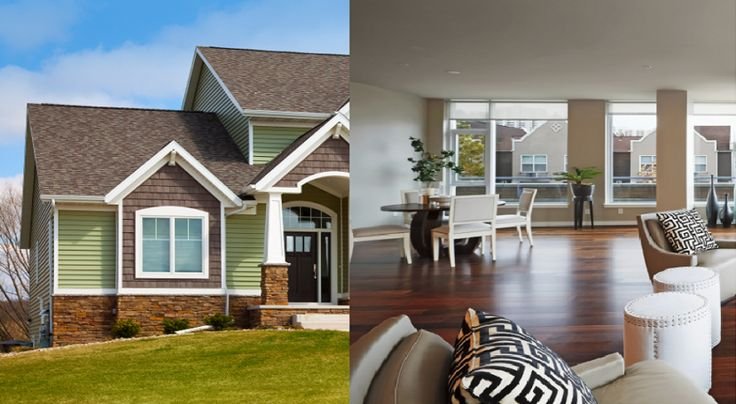
The exterior of your home creates the crucial first impression, making exterior paint choices particularly important for property values. Classic combinations like white trim with gray, beige, or soft blue siding consistently perform well in real estate markets across the country.
Consider your neighborhood context when selecting exterior colors. While you want your home to stand out positively, paint choices that clash dramatically with surrounding properties can actually hurt values. The goal is to be the best-maintained house on the block, not the most unusual.
Interior paint strategy should focus on creating flow throughout the home. Using variations of the same neutral color family in different rooms creates a cohesive feel that buyers appreciate. This doesn’t mean every room must be identical, but the colors should work harmoniously together.
Professional-quality paint and application matter as much as color selection. Buyers notice paint quality, and premium finishes suggest a well-maintained home. Investing in higher-grade paint and proper preparation often pays dividends in both immediate enjoyment and eventual resale value.
Timing Your House Painting Investment
Market conditions influence the impact of fresh paint on property values. In seller’s markets, where inventory is low and competition is fierce, freshly painted homes often receive premium offers because they feel move-in ready. During buyer’s markets, quality paint jobs help homes stand out from the competition.
Seasonal timing also affects the paint’s value impact. Homes painted in spring often photograph better for the summer selling season, while fall painting projects prepare properties for potential year-end sales when buyers may have more urgency to close before year’s end.
Consider the age of your current paint when evaluating repainting investments. Paint older than five years, especially in high-traffic areas, often shows enough wear to impact buyer perceptions. Fresh paint signals good maintenance and reduces buyer concerns about hidden issues.
Making Paint Choices That Last
Successful house painting for property value requires balancing current trends with timeless appeal. While it’s tempting to follow the latest color trends, remember that paint choices need to remain appealing for several years to maximize your investment.
Quality matters more than brand recognition when selecting paint. Look for paints with good coverage, durability ratings appropriate for each room’s use, and colors that photograph well under various lighting conditions. Many real estate agents recommend testing paint colors in different lights throughout the day before committing to full rooms.
Professional consultation can provide a valuable perspective on color choices. Interior designers familiar with your local real estate market can suggest colors that appeal to your area’s typical buyers while still reflecting your personal style during the years you’ll enjoy the space.
Beyond Color: Paint Quality and Application
The impact of house painting on property values extends beyond color selection to include paint quality and application standards. Buyers can distinguish between professional-quality work and DIY projects that cut corners, and this perception directly affects their willingness to pay the asking price.
High-quality primers and paints provide better coverage, more vibrant colors, and longer-lasting results. While premium products cost more initially, they often require fewer coats and maintain their appearance longer, providing better long-term value for your investment.
Proper surface preparation makes the difference between paint jobs that enhance property values and those that actually detract from them. Buyers notice peeling paint, visible brush strokes, and uneven coverage—all signs that the work was rushed or done without proper preparation.
Your Next Steps for Strategic House Painting
House Painting stands out as one of the most valuable home improvement investments, delivering both immediate aesthetic appeal and long-term financial returns. Success depends on more than just applying a fresh coat of paint—it requires careful color selection, premium materials, and professional application standards that enhance durability and curb appeal.
Understanding your market is key. Research recent neighborhood sales to see which colors attract buyers, and consult with local real estate experts for guidance on trends that resonate in your area. The goal is not universal appeal but maximizing interest among the largest group of potential buyers.
Whether you aim to increase resale value or simply preserve and refresh your property, thoughtful house painting choices protect your investment while transforming your living space. Done professionally, the results endure for years, safeguarding your home as one of your most important financial assets.