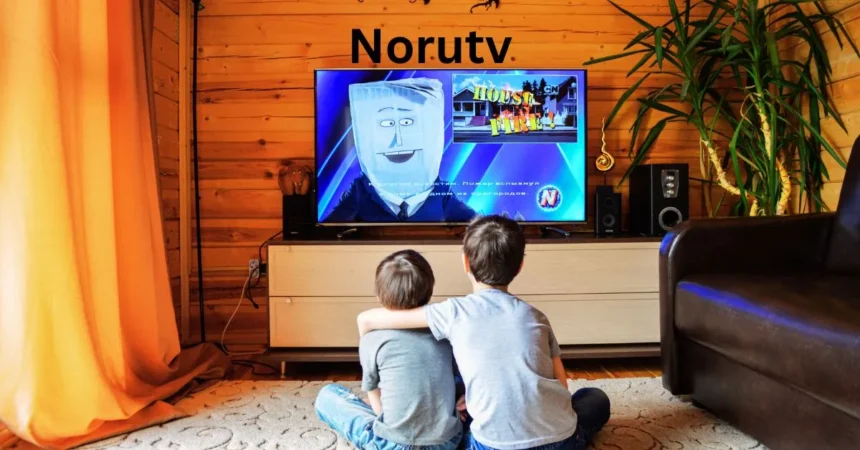
In a world where audiences bounce between TV channels, streaming platforms, apps, and social feeds, brand identity has become more critical than ever. The Role of Branding & Emotion in the TV Streaming Age ,viewers no longer stay in one place—but strong branding does. This rapidly shifting landscape, emotion and design remain the core language of trust, recognition, and influence.
This article explores how branding works in the modern TV and streaming world, why emotional storytelling still rules, and how broadcast design shapes the identity of news channels and emerging media brands.
Why Branding Still Matters in Today’s TV & Streaming Landscape
How Emotion Strengthens Brand Recall
Humans remember how something made them feel far more than what it looked like. This is why TV advertising has historically shaped iconic brands—emotion triggers memory, and memory builds trust.
Whether it’s a powerful story, an uplifting soundtrack, or a visual identity that feels familiar, emotional resonance ensures your brand stays top-of-mind in a world overflowing with content.
Why Streaming Hasn’t Killed Traditional TV Branding
Streaming has changed distribution, not the fundamentals of branding. In fact, with more screens and more fragmentation, your brand needs even stronger recognition.
On platforms where viewers often skip intro sequences or fast-forward, brands must rely on:
-
Distinctive color palettes
-
Sonic signatures
-
Unique motion identities
-
Strong visual language
The brands that master these elements survive everywhere—TV, OTT, YouTube, TikTok, and beyond.
The Psychology Behind Brand Affinity on Big Screens
TV and streaming succeed because they dominate attention. Large screens create emotional immersion, and when your brand visually and emotionally connects in these moments, you create long-term affinity far beyond a single advertisement.
Crafting High-Impact TV Branding
Designing for the Modern Viewer Journey
Modern viewers watch across screens, formats, and devices. Branding must adapt seamlessly:
-
Logo that works in tiny mobile formats
-
Graphics that remain readable in motion
-
Visual identity that feels consistent across platforms
Emotional Storytelling for TV Advertising
The best TV branding isn’t just visual—it’s narrative. Strong storytelling transforms a message into an experience. Even a five-second opener can set a tone, mood, and level of trust.
Consistency Across TV, Streaming & Social Media
TV branding now lives across:
-
Broadcast
-
OTT streaming
-
Social media clips
-
YouTube intros
-
Reels & Shorts
-
Websites
Consistency creates familiarity. Familiarity creates loyalty.
Measuring Brand Lift & Viewer Engagement
Unlike the past, today’s branding impact is measurable:
-
Brand recall studies
-
Eye-tracking analysis
-
Engagement heatmaps
-
Viewer retention metrics
-
Social conversation trends
Data complements creativity—and the best campaigns combine both.
Broadcast Design & News Channel Identity
Defining Your Channel: Core Branding Essentials
News channels depend heavily on credibility. This requires:
-
Strong visual identity
-
Clear typography
-
Structured graphics
-
Trust-building color systems
Branding becomes the silent voice of authority.
Building Visual Identity Through Broadcast Design
Everything seen on screen—from lower thirds to transitions—contributes to recognition. Broadcast design shapes personality, tone, and credibility.
The Art and Science of Studio Set Design
The physical studio acts as the “face” of the news brand:
-
Lighting design
-
Camera angles
-
Spatial arrangement
-
Digital screens
-
Desk design
A great studio creates trust even before the anchor speaks.
Integrating Opener Design, Motion Graphics & Visual Systems
Opener sequences set the emotional temperature:
-
Fast-paced? Breaking news.
-
Calm and minimal? Morning bulletin.
-
High-tech and sharp? Business finance show.
When opener, graphics, and studio design work harmoniously, the brand becomes unmistakable.
Key Elements of Modern News Branding
Typography & Color Systems
Blues and reds are standard in news branding for psychological reasons: trust, urgency, authority. But modern brands are increasingly exploring new color systems that stand out without losing credibility.
Motion Graphics & 3D Branding
High-end motion graphics create:
-
Modernity
-
Trust
-
Energy
-
Relevance
From 3D openers to animated info-panels, these elements shape perception instantly.
Sound Design & Sonic Identity
A memorable audio signature is now essential. It strengthens brand recall even when viewers are not looking at the screen.
Visual Hierarchy for Breaking News vs. Regular Programming
Clear hierarchy ensures instant readability:
-
Breaking news banners
-
Live indicators
-
Tickers
-
Lower thirds
Each element communicates urgency and importance.
Innovations in Virtual & Augmented Studio Environments
VR and AR have transformed broadcast storytelling. They allow:
-
Immersive election graphics
-
Interactive explainers
-
3D maps
-
Dynamic backgrounds
This is the future of news presentation.
Broadcast Design Themes & Trends
Tech Minimalism → Bio-Branding
Minimalist “flat” design is being replaced by organic, softer, and more textured aesthetics—reflecting a cultural shift toward nature, wellness, and sustainability.
Retro Aesthetics & the ’80s Revival
Bold typography, neon gradients, and vintage palettes are returning. Nostalgia creates immediate emotional connection.
Sustainability-Driven Visual Identities
Audiences now expect brands to look environmentally conscious—earth tones, organic patterns, and natural-inspired motion graphics.
Experimental Design in Sleep & Wellness Branding
Brands promoting calmness are using slow-motion visuals, pastel gradients, and soft transitions that visually “relax” the viewer.
Cultural Archetypes & Occult Influence
Symbolism and mysticism have quietly shaped color psychology and branding aesthetics for decades. Today’s designers still borrow from these archetypes.
Cultural & Historical Branding Insights
Iconic Brand Characters (Mascots)
Mascots like the Air-India Maharaja demonstrate how characters can become cultural symbols—beloved, controversial, and enduring.
Design History’s Influence on Modern TV Aesthetics
Old print advertising, ephemera, and poster design continue to inspire today’s broadcast graphic systems.
Visual Identity Lessons From Book Cover Design
Book covers offer powerful lessons in simplicity, narrative, and symbolic imagery.
When Objects Become Brands
Vintage matchboxes from 1970s Singapore are prime examples of everyday objects evolving into cultural branding artifacts.
Case Studies: Great Ads Worth Studying
3 Great Ads I Had Nothing to Do With (But Love Analyzing)
These ads illustrate the timeless power of:
-
Emotional storytelling
-
Distinctive branding
-
Memorable music
-
Clear narrative arc
Great advertising doesn’t just sell—it imprints itself on culture.
Breaking the Glass Screen: Getting Your Brand on TV
The Power of TV Advertising—Why It Still Works
TV remains unmatched in:
-
Mass reach
-
Emotional impact
-
Brand legitimacy
-
Multi-generational audiences
Even in 2025, TV delivers authority that digital alone cannot.
How to Get Your Brand Broadcast-Ready
You’ll need:
-
A clear visual identity
-
A strong storyboard
-
Professional motion graphics
-
Quality production
-
Compliance with tvc broadcast standards
Choosing TV vs. OTT vs. Programmatic
Every platform offers different benefits:
-
TV: mass reach, trust
-
OTT: targeted streaming audiences
-
Programmatic TV: data-driven placements
Smart brands combine them.
Conclusion
Branding in the TV streaming age is more dynamic than ever. While screens have multiplied, the fundamentals remain the same: evoke emotion, stay consistent, and build a visual identity that stands out in a sea of content. Whether you’re designing a news channel, building a TV ad, or creating a brand presence across platforms, the key is balancing strategy, creativity, and emotional clarity.