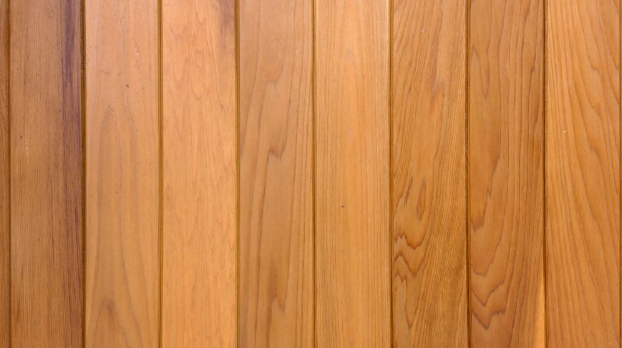
Acoustic cladding is a crucial part of building design that helps control noise and ensure residents have a comfortable place to live. Choosing the correct acoustic cladding can greatly impact the overall mood and sound quality, whether you’re building from scratch or remodelling an old structure. This thorough guide will assist you in understanding the most important factors and available options so you can choose the finest acoustic cladding for your building.
Acoustic Cladding: What is It?
The term “acoustic cladding” describes materials used on a building’s exterior or interior to lessen noise transmission. It is essential for structures that must be sound-isolated, such as recording studios, theatres, concert halls, and buildings in noisy settings, including those next to highways, airports, or industrial districts. The following are the main purposes of acoustic cladding:
- Sound Absorption: Reducing the quantity of sound that bounces off surfaces in a room is known as sound absorption.
- Sound insulation: Sound insulation cladding is the process of keeping sound out of a room or area.
- Noise Reduction: Reducing total noise levels is known as noise reduction cladding.
Important Factors to Consider When Selecting Acoustic Cladding
- Performance Requirements
Identifying your performance needs is the first step towards selecting the ideal acoustic cladding. Take into account the following elements:
The Noise Reduction Coefficient (NRC) measures how well a substance absorbs sound. Greater NRC values signify enhanced absorption of sound waves.
The Sound Transmission Class (STC) assigns a rating to a substance based on how efficiently it blocks sound transmission. More STC ratings correspond to superior sound absorption.
Impact Insulation Class (IIC): This level indicates how well a material reduces impact sounds, like footsteps. It is better to reduce impact noise with higher IIC values.
- Type and Usage of Building
Acoustic requirements vary according to building type. For example:
Residential Buildings: In residential buildings, consider materials that minimise outside noise and offer peace between rooms.
Commercial Buildings: Pay attention to materials that both reduce outside noise and improve speech clarity in offices and conference rooms.
Educational Institutions: To enhance learning settings, ensure lecture halls and classrooms have good sound absorption.
Entertainment Venues: Use high-performance acoustic panelling in entertainment venues to control sound levels and stop noise leaks.
- Types of Materials
There are several acoustic cladding materials to choose from, and each has advantages and disadvantages of its own:
Mineral wool can be expensive, but it’s great at absorbing sound and resisting fire.
Foam Panels: Foam panels are great for interior applications since they are lightweight and absorb sound well.
Decorative and adaptable, fabric-wrapped panels are a great option for interior Acoustic wall panels.
Perforated Metal: Industrial environments frequently use it because it is strong and adaptable.
Wood: Offers excellent sound absorption qualities in addition to its inherent beauty.
- Aesthetic Considerations
Even though controlling sound is the main purpose of acoustic cladding, aesthetics shouldn’t be overlooked. In addition to matching the building’s design, the cladding should follow any architectural specifications. While offering acoustic benefits, options like fabric-wrapped or ornate wood panels can improve the aesthetic appeal.
- Installation and Maintenance
Consider how simple it is to install and maintain the acoustic cladding. Professional installation may be necessary for certain materials, although minimal experience is required for others. Furthermore, different materials have different maintenance needs; some may require routine cleaning or replacement, while others are more resilient and low-maintenance.
- Environmental and Safety Factors
Analyse the materials’ safety and their impact on the environment. Seek for environmentally friendly choices that are recyclable or derived from renewable materials. Make sure the items don’t emit any dangerous chemicals and that they follow fire safety laws.
Popular Choices for Acoustic Cladding
Acoustic Panels
For interior spaces, acoustic panels are a common option. They are obtainable in various materials, including foam, fabric, and wood, and exhibit diverse forms and dimensions. The purpose of acoustic panels is to absorb sound waves and lessen reverberation and echo.
Pros: Highly aesthetically beautiful, effective at absorbing sound, and customisable.
Cons: It may be costly and necessitate professional installation.
- Mineral Wool Insulation
Constructed from reclaimed slag or volcanic rock, mineral wool is renowned for its exceptional fire resistance and sound absorption qualities. Floors, walls, and ceilings frequently use it.
Pros include durability, fire resistance, and high sound absorption.
Cons: More expensive and needs expert installation.
- Perforated Metal Panels
Applications for perforated metal panels are both indoor and outdoor. They are adaptable, long-lasting, and include customisable hole patterns to improve sound absorption.
Pros: Robust, adaptable, and appropriate for challenging settings.
Cons: It may need extra sound-absorbing materials beneath the panels and have an industrial appearance.
- Wooden Acoustic Panels
In addition to having a warm, natural appearance, wooden panels effectively absorb sound. They are applicable in both commercial and residential environments.
Pros: Easily customised, visually appealing, and has good sound absorption.
Cons: It may need frequent maintenance and be costly.
- Fabric-Wrapped Panels
Panels covered in fabric are quite customisable and available in various colours and designs. Offices, theatres, and recording studios frequently employ them because of their excellent sound absorption capabilities.
Pros: Aesthetically pleasing, adaptable, and efficient sound absorption.
Cons: It may be expensive and needs frequent cleaning.
- Foam Panels
Foam panels are a common option for do-it-yourself projects since they are lightweight and simple to install. Homes and small offices frequently employ them because of their efficaciousness at absorbing mid-to high-frequency sounds.
Pros: Reasonably priced, simple to install, and efficient at absorbing frequencies between mid and high.
Cons: It may be less durable and less effective for low-frequency noises.
Step-by-Step Guide to Choose the Best Acoustic Cladding
Step 1: Assess Your Acoustic Needs:
It’s important to know exactly what kind of acoustic option you need before you delve into the wide world of available possibilities. Examine the particular noise problems your building is experiencing, such as external traffic noise, interior echoes, or machine noise. Think about things like the building’s function, location, and surroundings. Your decision-making process will be based on this preliminary evaluation, which will point you toward the best acoustic cladding options for your requirements.
Step 2: Create A Budget:
Any building or restoration project will almost always have budgetary restrictions. Establish a reasonable spending plan for your acoustic cladding project, accounting for both the up-front and ongoing costs, such as upkeep and possible replacements. While it’s important to stay within your budget, remember that spending money on high-quality acoustic cladding can pay off handsomely in terms of increased comfort and productivity in your property.
Step 3: Research and Compare Materials:
Look into the different acoustic cladding materials in-depth, considering your budget and acoustic requirements. Every material has its own special qualities and advantages, ranging from conventional choices like mineral wool and fibreglass to more sophisticated ones like composite panels and perforated metal sheets. To successfully narrow down your alternatives, compare environmental impact, durability, fire resistance, and sound absorption characteristics.
Step 4: Seek Advice from Experts
Consulting with building experts or acoustic consultants can offer priceless advice on selecting the best acoustic cladding for your building. These professionals may thoroughly analyse your acoustic requirements, suggest appropriate materials and installation methods, and guide you in adhering to pertinent laws and guidelines. Working with experts guarantees accurate and knowledgeable completion of your acoustic cladding project.
Step 5: Consider Aesthetics and Integration
When choosing acoustic cladding, utility is crucial, but aesthetics are also important, particularly for architectural projects. Think about how the cladding materials you choose will complement your building’s overall style and appearance. Select options that improve the space’s aesthetic appeal, atmosphere, and acoustic performance. A building’s environment is cohesive and harmonious when usefulness and aesthetics are balanced.
Step 6: Assess Maintenance and Installation
For each building renovation project, efficient installation and low maintenance requirements are essential factors to consider. Examine the installation procedure for the acoustic cladding materials you have selected, taking complexity, time, and related expenses into account. Furthermore, the maintenance requirements should be evaluated over an extended period to guarantee that the chosen cladding solution maintains its efficacy and effectiveness. Selecting materials that are simple to install and require little maintenance will expedite the procedure and extend the life of your building’s acoustic system.
Step 7: Verify Sustainability and Compliance
Ensure the acoustic cladding materials you select fit all applicable building codes, rules, and specifications dealing with environmental sustainability, fire safety, and acoustics. Select materials that promote energy efficiency, indoor air quality, and environmental friendliness. You can use certifications to assist you in making environmentally conscious decisions for your building project by using them as indicators of a product’s sustainability credentials.
Step 8: Make an Informed Decision
It’s time to make an informed choice now that you have a solid grasp of your acoustic requirements, professional guidance, and a wealth of knowledge at your fingertips. Examine all the aspects covered, such as affordability, sustainability, and acoustic performance, and balance the benefits and drawbacks of each choice. Choose the acoustic cladding option that best suits the requirements of your building, improves occupant comfort, and adds to the overall usability and beauty of the area. With the help of these guidelines, you can confidently choose the ideal acoustic cladding for your building, giving your tenants a peaceful and comfortable living space and completing your project’s goals.
The Bottom Line
In conclusion, carefully weighing the performance requirements, building type, material options, aesthetics, installation, and maintenance is necessary when selecting the best acoustic cladding. You may choose the best acoustic cladding to create a peaceful and quiet space by evaluating your unique demands, speaking with experts, and investigating materials. The correct acoustic cladding may significantly improve noise control and the occupant experience, whether you’re working in a business, residential, educational, or entertainment facility.