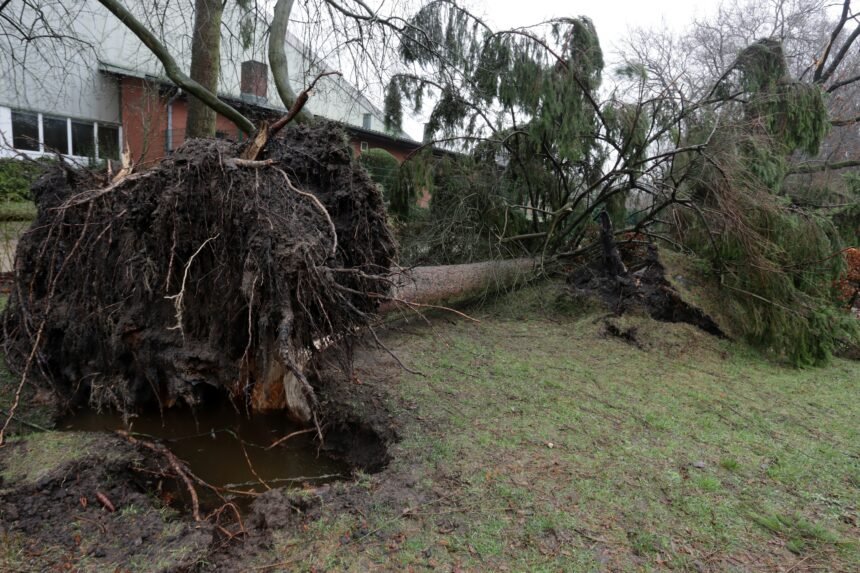
Florida’s geographic sweet spot, beautiful as it is, comes with a price. The state’s position makes it a prime target for extreme weather events year-round. We’re talking powerful hurricanes, tropical storms that seem to arrive out of nowhere, severe thunderstorms, flooding that can turn streets into rivers, and yes, even the occasional tornado. If you call Florida home, staying vigilant isn’t optional, it’s necessary. Protecting yourself, your loved ones, and your property during these weather challenges becomes second nature once you understand what’s at stake. What follows are five essential tips that’ll help you navigate Florida’s most intense weather scenarios while keeping everyone safe and your property damage to a minimum.
1. Fortify Your Home Against Hurricane-Force Winds
Let’s start with the big one: preparing your home to handle hurricane-force winds. It’s arguably the most critical step you’ll take. Installing impact-resistant protection for your windows and doors creates a powerful first line of defense against flying debris, which, honestly, poses one of the scariest dangers during severe storms. These protective measures do double duty. They shield your family from broken glass and wind-driven projectiles while helping maintain your home’s structural integrity by preventing those dangerous pressure changes that happen when windows shatter. But don’t stop there. Securing your roof with hurricane straps and reinforcing garage doors can dramatically reduce the chance of catastrophic damage. Getting a professional home inspection before hurricane season kicks off lets you spot and fix vulnerabilities before they become problems. For homeowners needing to upgrade older structures to withstand Category 3 or higher storms, Florida hurricane resistant windows provide both immediate safety benefits and long-term value through reduced insurance premiums and increased property value. Think of it as an investment that pays dividends in multiple ways.
2. Develop a Comprehensive Emergency Supply Kit
Here’s something that can’t wait until the storm’s approaching: assembling a well-stocked emergency supply kit. You’ll want at least seven days’ worth of non-perishable food, one gallon of water per person per day, and any prescription medications you need, complete with dosage instructions. What else goes in there? A battery-powered or hand-crank radio, multiple flashlights with extra batteries, a solid first aid kit, personal hygiene items, and copies of important documents stored in waterproof containers. Cash in small denominations is crucial too, since ATMs and credit card systems often go down after severe storms.
3. Create and Practice a Family Emergency Plan
A detailed emergency plan that everyone understands can transform chaos into coordinated action when extreme weather hits. Start by designating a safe room in your home’s interior, preferably on the lowest floor without windows, where family members should gather during tornado warnings or severe storms. Establish multiple ways for family members to stay in contact if you get separated, including an out-of-state relative who can serve as your central contact point when local communications fail. Map out several evacuation routes from your neighborhood, because your primary route might become impassable due to flooding or debris.
4. Monitor Weather Alerts and Heed Official Warnings
Staying informed about approaching weather threats through multiple reliable sources gives you the time you need to make smart decisions about protective actions and evacuations. Download official weather apps from the National Weather Service and local emergency management agencies, you’ll get real-time alerts straight to your smartphone. Invest in a NOAA Weather Radio with battery backup so you can maintain weather information access even when the power goes out. Understanding the difference between watches and warnings is crucial, and it’s simpler than you might think: a watch means conditions are favorable for severe weather, while a warning indicates dangerous weather is imminent or already occurring and demands immediate action.
5. Prepare Your Property and Outdoor Spaces
Taking proactive steps to secure your property’s exterior significantly reduces potential damage and prevents everyday items from becoming dangerous projectiles during extreme weather. Trim trees and remove dead branches that could fall on your home or power lines, pay special attention to large limbs overhanging structures. Secure or store outdoor furniture, grills, potted plants, and decorative items in your garage or storage shed well before the storm arrives. Clean gutters and downspouts to ensure proper water drainage and prevent roof damage from water accumulation.
Conclusion
Living in Florida means accepting the reality of extreme weather conditions and taking personal responsibility for preparedness. It’s part of the package deal with year-round sunshine and beautiful beaches. These five essential tips provide a comprehensive framework for protecting your family and property during the state’s most challenging weather events. By fortifying your home, maintaining emergency supplies, practicing coordination plans, monitoring official alerts, and securing your property, you’re significantly improving your chances of weathering any storm safely.