Rapid hemostasis is essential in both surgical and emergency settings, where uncontrolled bleeding can compromise visibility, prolong procedures, and increase the risk of complications. Although modern techniques and advanced hemostatic tools have improved bleeding control, clinicians still face several challenges that can make rapid hemostasis difficult to achieve. These challenges often stem from patient specific factors, the nature of the bleeding, and environmental conditions within the operative field. Understanding these obstacles helps surgical teams anticipate potential issues and apply the most effective strategies for safe and efficient bleeding control.
Complex Anatomy and Hard to Reach Bleeding Sites
One of the most significant challenges in achieving rapid hemostasis is managing bleeding in areas that are difficult to access. Deep cavities, narrow spaces, and irregular surfaces can limit visibility and make it harder for clinicians to apply pressure, place sutures, or use energy based devices effectively.
Bleeding in highly vascular regions or near delicate structures adds another layer of complexity. Surgeons must balance the need for rapid control with the need to avoid damaging surrounding tissues. In these situations, specialized tools and techniques become essential. Products that can conform to irregular surfaces or reach tight spaces help improve efficiency and reduce the time needed to achieve stable hemostasis.
Patient Factors That Impair Natural Clotting
A patient’s overall health plays a major role in how quickly bleeding can be controlled. Conditions such as anemia, liver disease, or clotting disorders can slow the body’s natural hemostatic response. Medications like anticoagulants or antiplatelet agents further complicate bleeding control, requiring clinicians to adjust their approach based on the patient’s medical history.
Age, hydration status, and nutritional deficiencies can also influence clotting efficiency. When the body’s natural mechanisms are compromised, even minor bleeding can become difficult to manage. Understanding these factors allows clinicians to anticipate challenges and select appropriate interventions that support rapid and reliable hemostasis.
High Pressure or Arterial Bleeding That Requires Immediate Control
Arterial bleeding presents a unique challenge due to its forceful and continuous nature. Unlike venous bleeding, which tends to ooze, arterial bleeding can obscure the surgical field quickly and make it difficult to identify the exact source. Rapid control is essential to prevent significant blood loss and maintain visibility.
Traditional methods such as direct pressure or suturing may not always be feasible, especially in confined spaces or when vessels are fragile. In these cases, adjunctive hemostatic tools become critical. A flowable hemostat, for example, can help fill irregular spaces and support clot formation even when bleeding is difficult to access directly. These tools provide valuable assistance when rapid control is needed to stabilize the operative field.
Environmental Conditions That Affect Hemostatic Efficiency
The conditions within the operating room or treatment environment can significantly influence hemostatic performance. Temperature is a key factor. Hypothermia, even mild, can impair platelet function and slow the clotting cascade. Maintaining normothermia helps preserve the body’s natural ability to form stable clots.
Blood pressure also plays a role. Elevated pressure can increase bleeding, while controlled levels help reduce blood flow at the surgical site. Adequate lighting, suction, and irrigation systems are essential for maintaining visibility and allowing clinicians to identify bleeding sources quickly. When environmental conditions are optimized, the entire hemostatic process becomes more predictable and efficient.
Limitations of Traditional Hemostatic Techniques
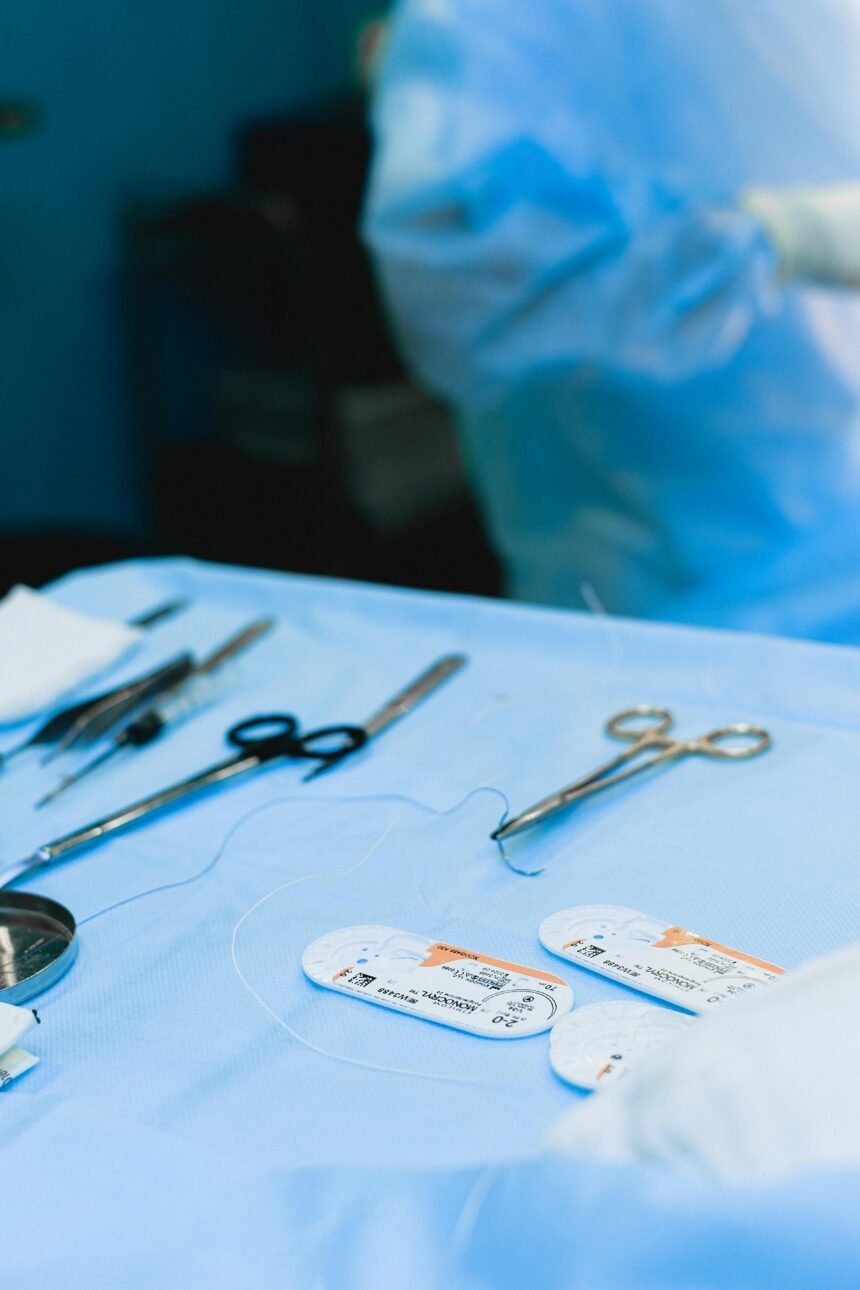
While sutures, cautery, and manual pressure remain essential tools, they are not always sufficient for achieving rapid hemostasis. Suturing may be difficult in fragile tissues, cautery can cause thermal damage, and pressure alone may not be effective in deep or irregular wounds. These limitations become more pronounced in complex surgeries or in patients with compromised clotting ability.
Modern hemostatic agents and technologies help bridge these gaps, but they must be used appropriately to achieve the best results. Understanding when traditional methods may fall short allows clinicians to incorporate additional tools proactively, improving efficiency and reducing the risk of prolonged bleeding.
Conclusion
Achieving rapid hemostasis requires a clear understanding of the challenges that can arise during surgical and emergency procedures. Complex anatomy, patient specific factors, high pressure bleeding, environmental conditions, and the limitations of traditional techniques all influence how quickly bleeding can be controlled. By anticipating these challenges and applying targeted strategies, clinicians can support safer procedures, maintain clearer operative fields, and promote better outcomes for their patients.